Short answer: How a dish looks, or what it is called, doesn't tell you everything that went into it or what it touched while being made. This guide helps you prepare clear questions for restaurant staff. Asking them does not guarantee a safe meal, and your own medical plan comes from your clinician.

Scope and safe boundary
- This is a communication guide. It is not medical, diagnostic or emergency advice, and it certifies no restaurant, dish or menu.
- It does not describe Korean restaurant legal obligations.
- Questions can't guarantee a safe meal. Follow the plan agreed with your own clinician.
Questions to prepare
| Topic | What to ask |
|---|---|
| Your requirement | State exactly what you cannot eat, clearly, each time |
| Ingredients | Is it in this dish, including stock, sauces, seasonings, garnishes and ready-made parts? |
| Changes | Has the recipe or any supplier ingredient changed? |
| Shared equipment | Is the dish prepared or cooked on shared surfaces, cookware or equipment? |
| Confidence | Can staff clearly confirm all of this? |
1. State the exact requirement every time
Food Standards Scotland's general eating-out guidance advises making the exact allergy clear and repeating your requirements on arrival (Food Standards Scotland). That guidance is general advice from a Scottish authority, not Korean law and not a statement about Korean restaurants. Repeat your requirement to each person who takes or serves your order.
2. Why photos and menu names aren't enough
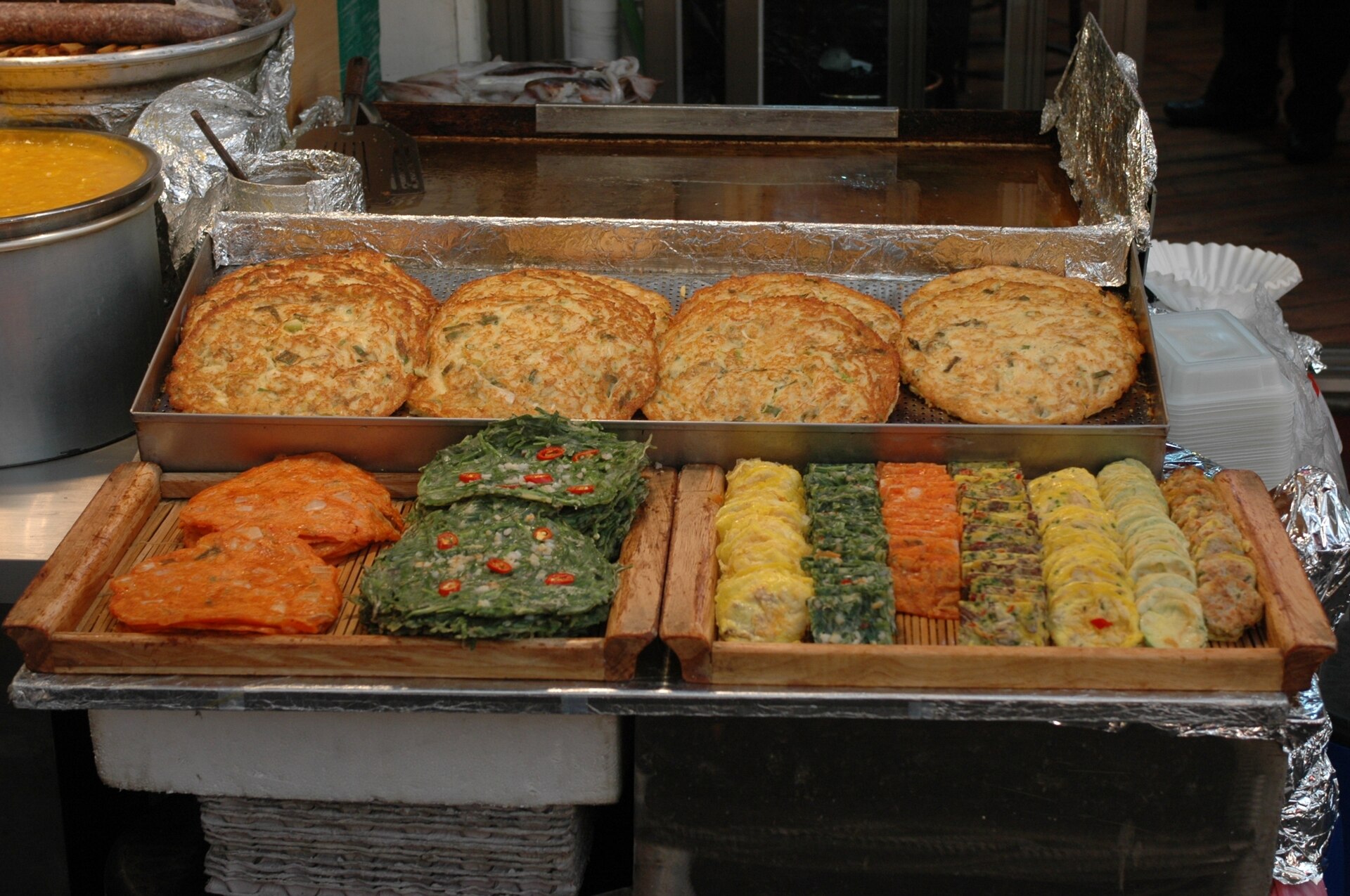
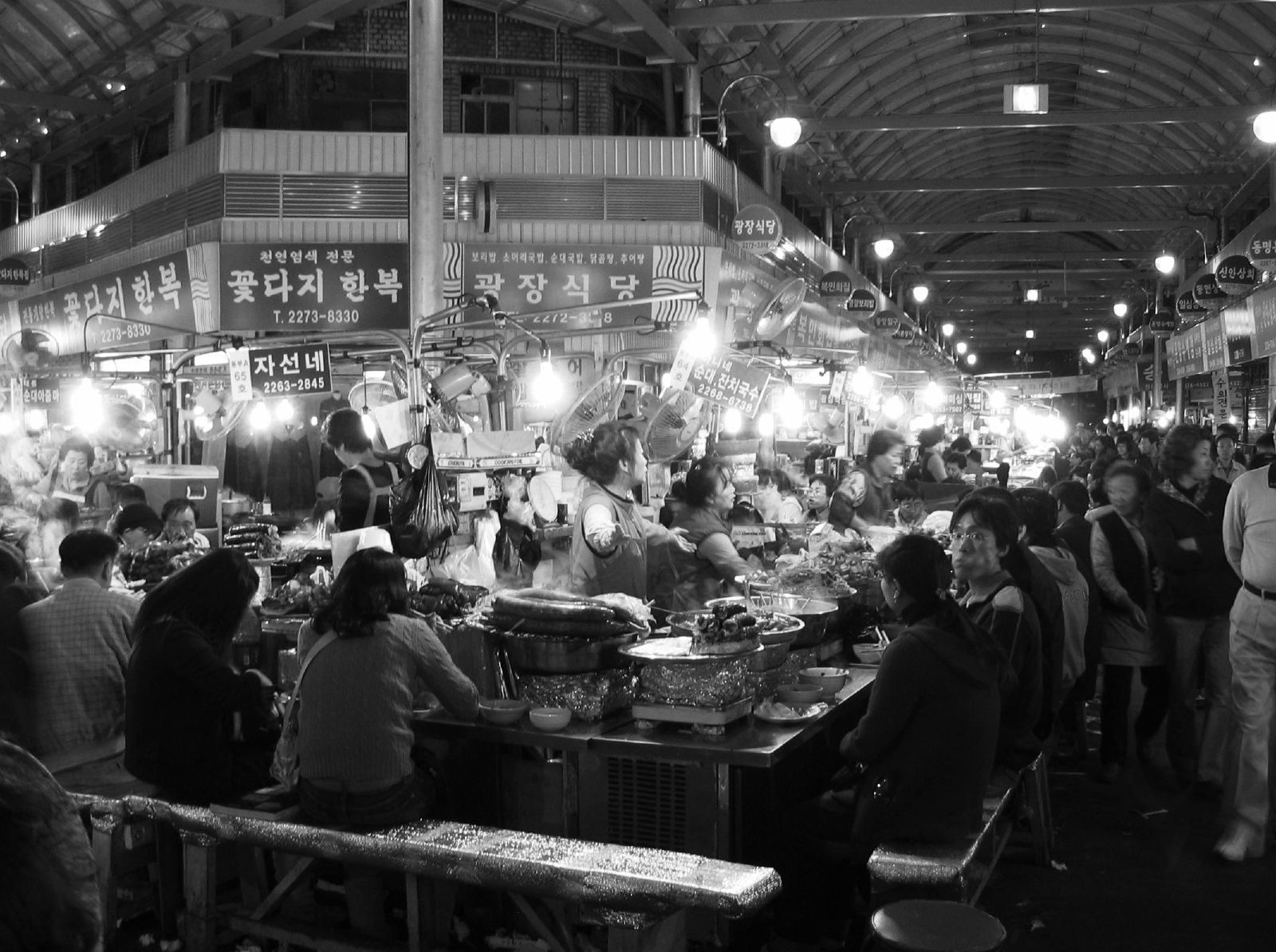
A photo shows how a dish looks, not what is in stocks, sauces, seasonings or garnishes, or what it touched during preparation. A menu name or description may omit components. So treat appearance and naming as starting points for questions, not as evidence of a complete ingredient list or of cross-contact control.
Ask directly about stock, sauces, seasonings, garnishes and any pre-made components. The Scottish guidance also suggests checking whether recipes or ingredients have changed.
3. Shared equipment and what staff can't confirm
The same guidance advises asking about shared preparation and cooking equipment. If staff can't clearly tell you, count that as an unanswered question, not as reassurance. The guidance advises not eating there if staff understanding remains doubtful.
4. Packaged food versus restaurant meals
Korea's Ministry of Food and Drug Safety describes ingredient and allergen information required on packaged-food labels, including warning labelling for shared manufacturing processes (MFDS). That concerns packaged products. It isn't a guarantee about any restaurant dish. For packaged food, read the label itself. For restaurant food, rely on direct communication.
5. Allergy, vegan, halal and pork-free are different claims
Vegan, halal and pork-free describe other kinds of requirements. None of them is an allergy-safety claim, and none tells you your specific allergen is absent or that equipment is free of cross-contact. Always state your actual allergen rather than a related label.
6. Checklist and limits
- My exact requirement is stated clearly, in my own words
- Asked about stock, sauces, seasonings, garnishes and pre-made parts
- Asked about changes to recipes or suppliers
- Asked about shared preparation and cooking equipment
- Repeated my requirement on arrival
- If staff understanding remains doubtful, I don't eat there
- Packaged foods checked against their own labels
- Following the plan from my own clinician
Limits: this guide offers no Korean-language cards or translations, no diagnosis, no treatment or emergency instructions, and no restaurant recommendations.
Sources
- Food Standards Scotland, Eating out with allergies, checked 2026-10-04 (general guidance, not Korean law)
- Ministry of Food and Drug Safety (Korea), packaged-food labeling, checked 2026-10-04
Update triggers
MFDS labeling revision; correction from a food-safety reviewer; translation issue; change to the cited Scottish guidance.