

Question answered
How should a visitor handle Korean restaurants when menus, seating, sharing customs and payment expectations differ by venue?
Quick answer
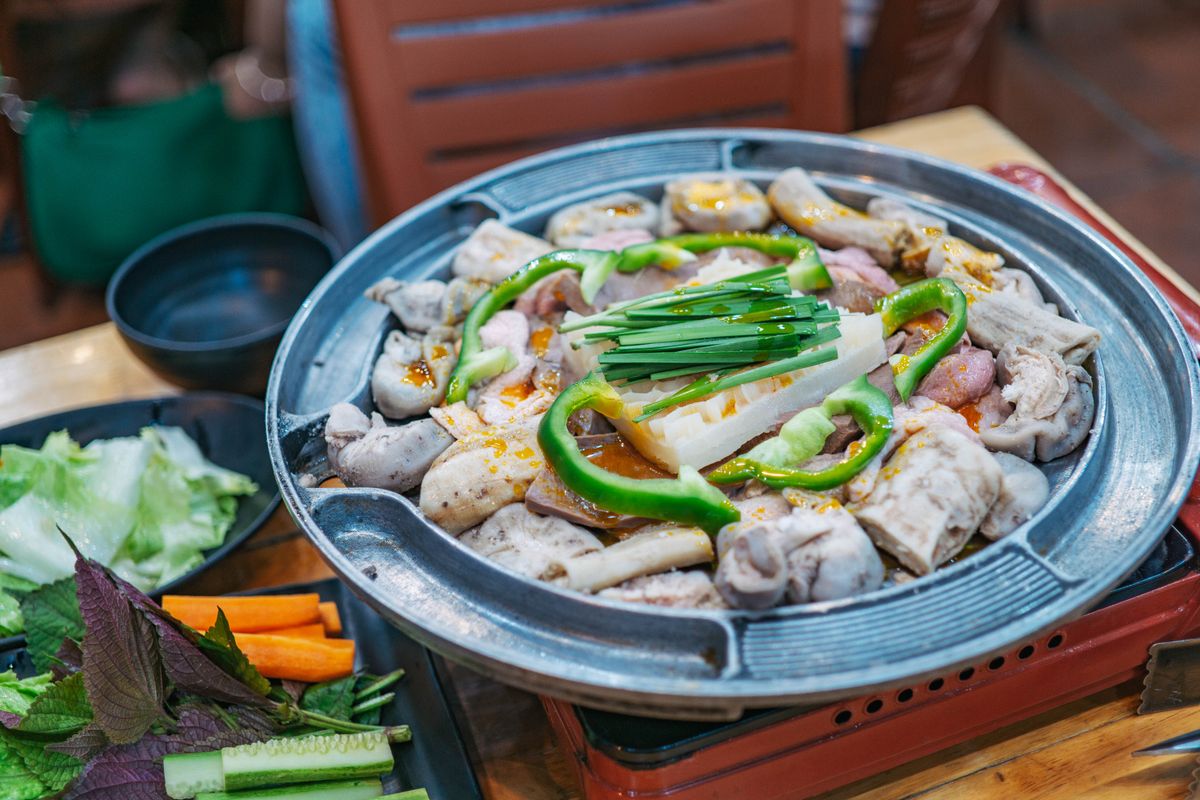
Start by identifying the restaurant type: casual counter, barbecue, market stall, cafe, group dining room or reservation restaurant. Then match your behaviour to that setting: wait to be seated when needed, order clearly, do not assume every side dish or refill is unlimited, and ask ingredient questions before ordering if allergies or dietary rules matter.
What travelers usually get wrong
- They treat every Korean restaurant like barbecue or every meal as shared family-style dining.
- They assume menu photos prove ingredients or allergy safety.
- They wait for table service in places where ordering or pickup is counter-based.
Before you go
- Check whether the restaurant expects a minimum order per person or per grill/table.
- Prepare allergy or dietary phrases in Korean and do not rely only on dish names.
- Keep payment flexible: some places split bills easily, others prefer one payment for the table.
Restaurant type changes the rules
A barbecue restaurant, noodle shop, market stall, cafe, food court and fine-dining room can all feel different. The right behaviour comes from the venue type, not from a generic Korea food checklist.
If there is a host stand, wait. If there is a kiosk or counter, order there. If staff bring side dishes, observe whether refills are self-serve, requested or not offered.
Sharing, side dishes and table space
Many Korean meals are designed around shared dishes, but not all. Individual soups, noodles and lunch sets may be personal orders. Shared barbecue or stews can have minimum quantities and table equipment limits.
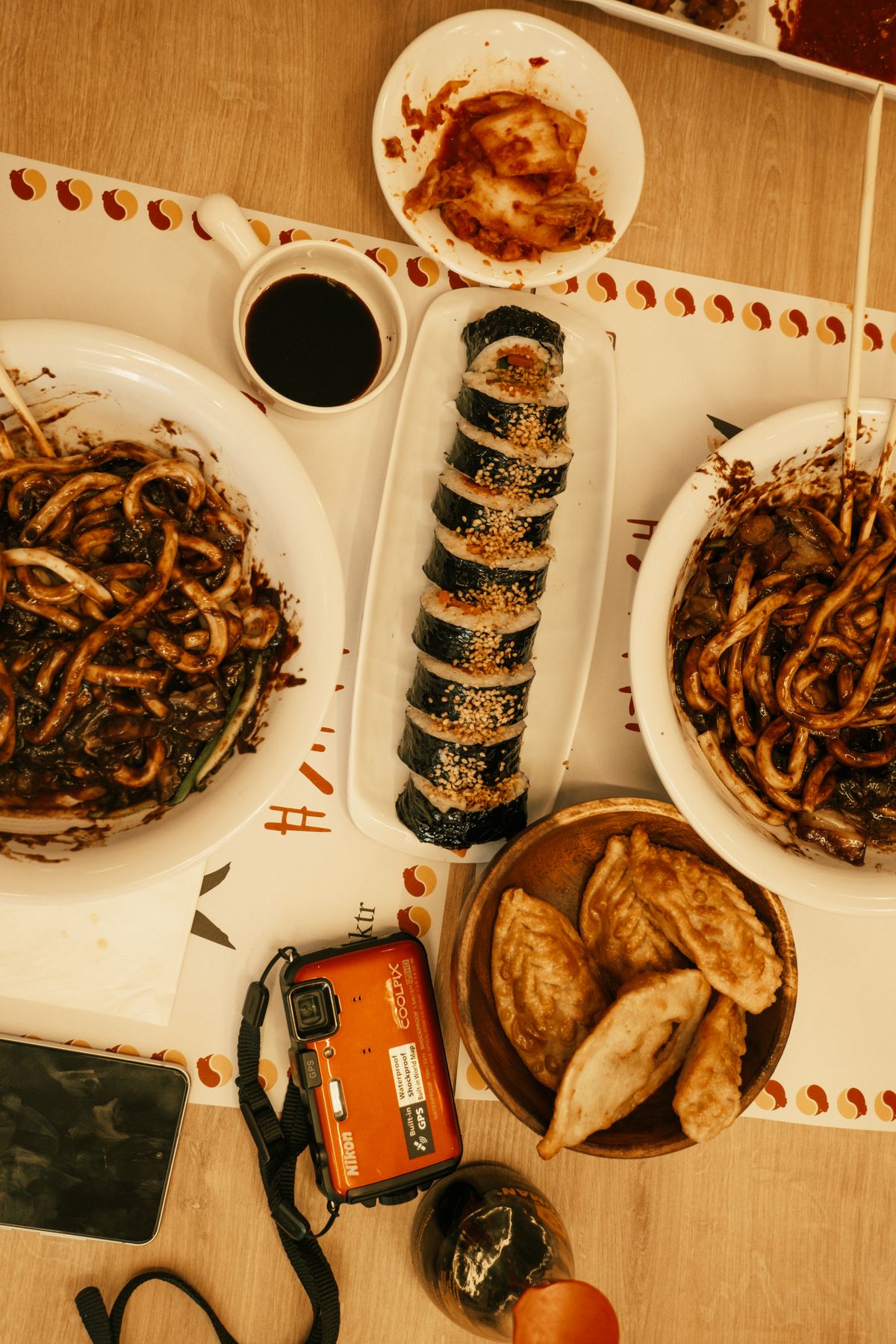
Side dishes are part of the meal, but visitors should not assume every item is unlimited, free to waste or safe for their diet. Ask politely and take small portions first.
Allergies and dietary restrictions
Menu photos, translation apps and dish names cannot reliably identify broth, sauces, shared equipment or hidden seafood/meat ingredients. Serious allergy planning needs prepared phrases, venue selection and a backup meal plan.
If the answer is unclear, choose a simpler venue or packaged food with labelled ingredients rather than pressuring staff to guarantee what they cannot verify.
Internal links for the next decision
Last updated and source-check structure
Last updated: 7 October 2026. Restaurant hours, menu ingredients, payment rules, reservation policies and cultural expectations vary by venue and date; verify with the restaurant, host or official source before relying on them. This page is not a booking service, allergy guarantee, legal advice or official etiquette authority.