30 useful travel answers: 17 full guides and 13 practical answers on this page. Find your next decision, see what to check, and keep the official source close.
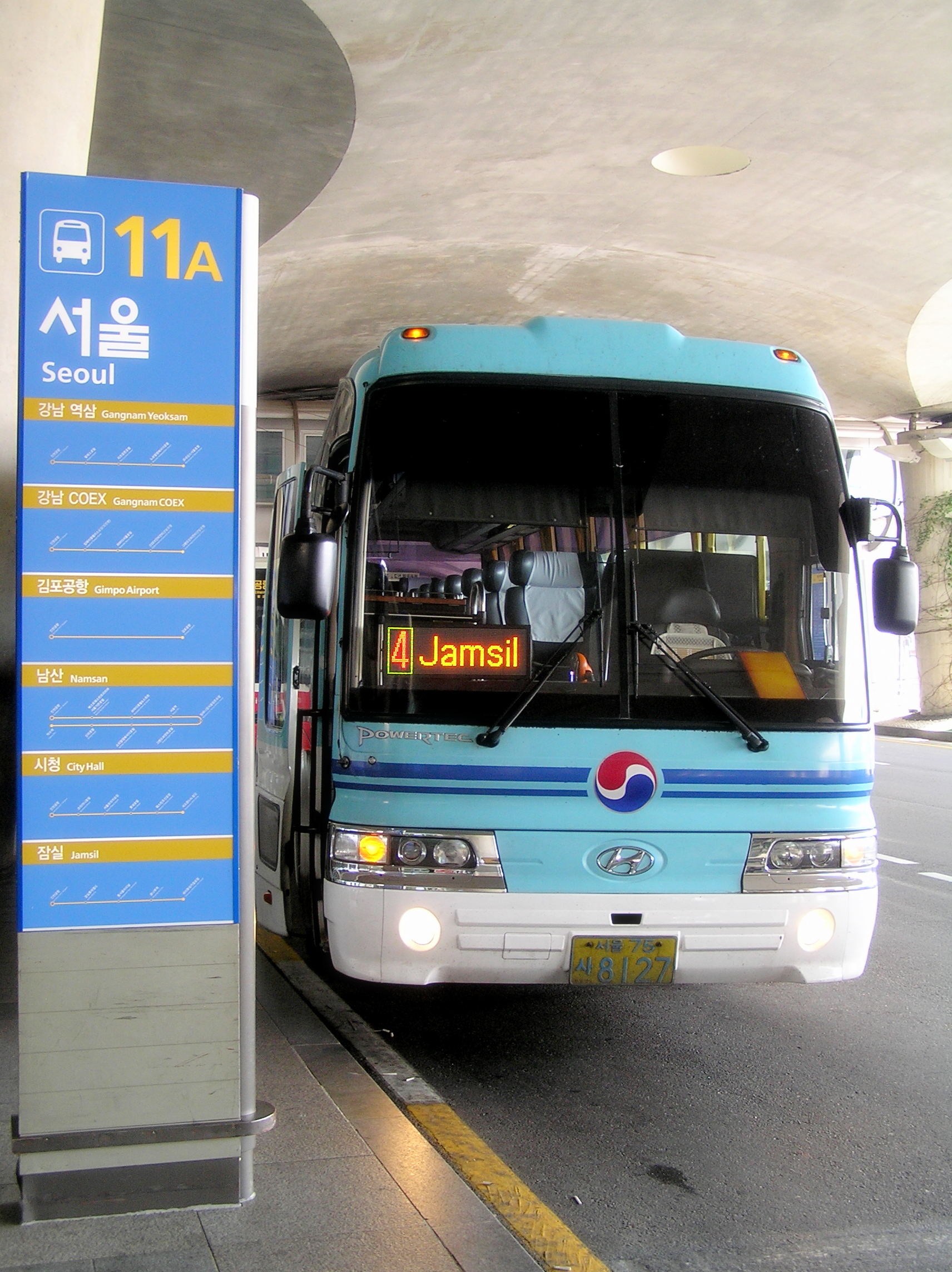
Landing at Incheon late at night? Match your terminal, destination and realistic exit time to a late-night bus, check the T1 fares and ticket channels, and keep a fallback.
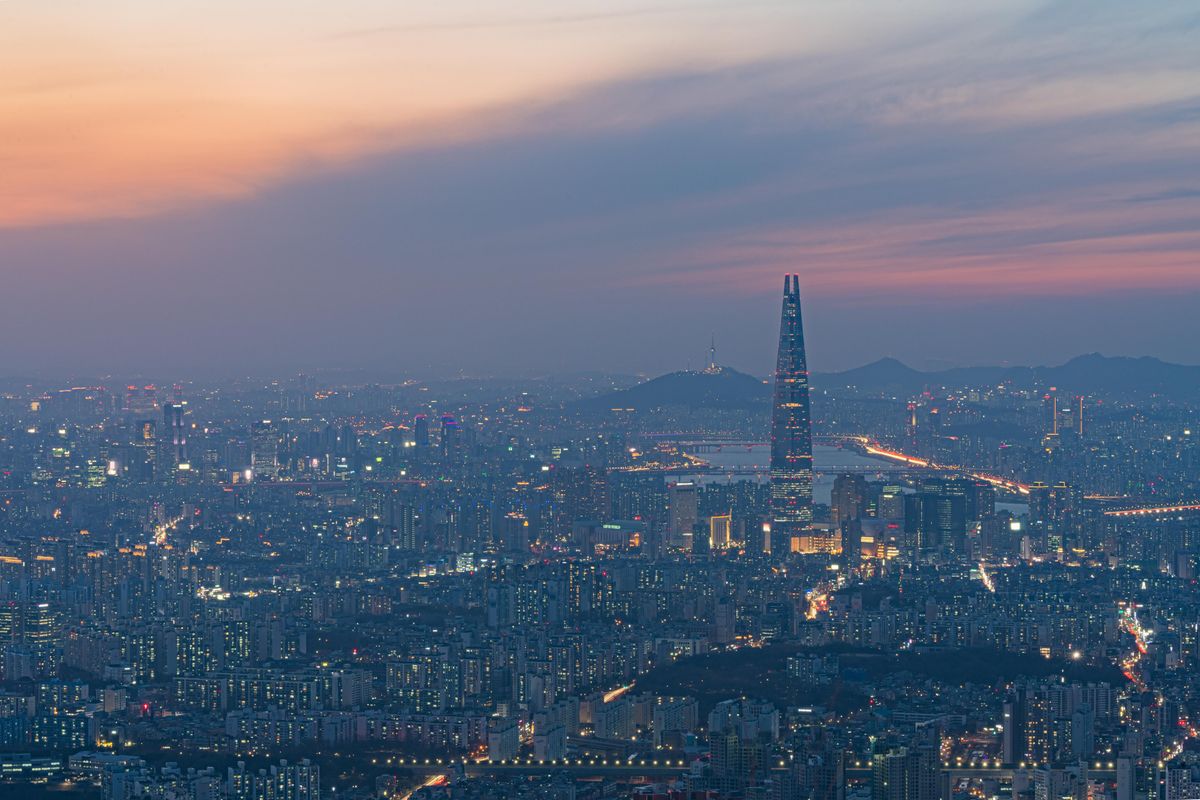
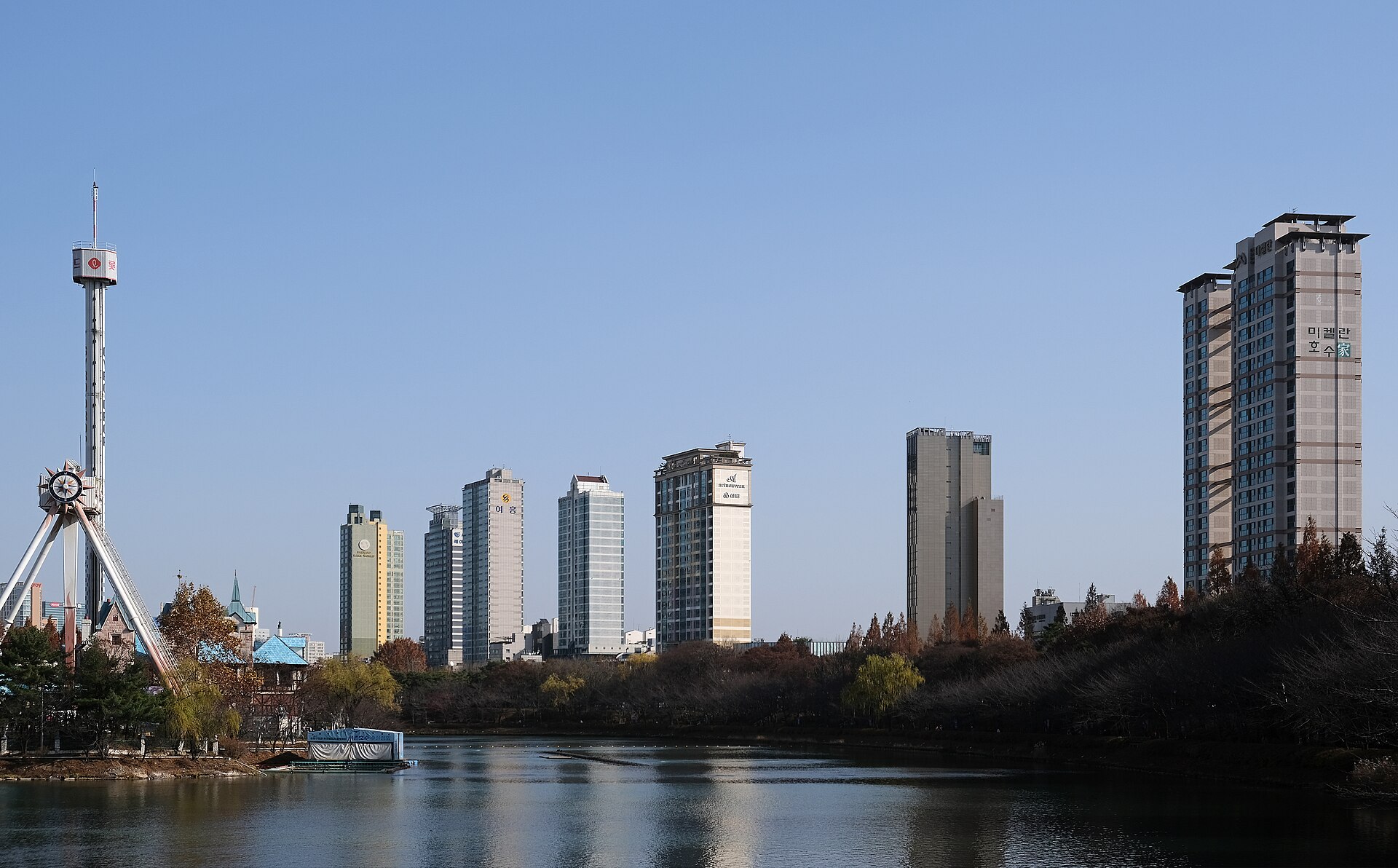
Planning an evening at Lotte World Tower and Seokchon Lake? Decide between the paid observation deck, the lakeside, or both, and check tickets, hours and last entry first.
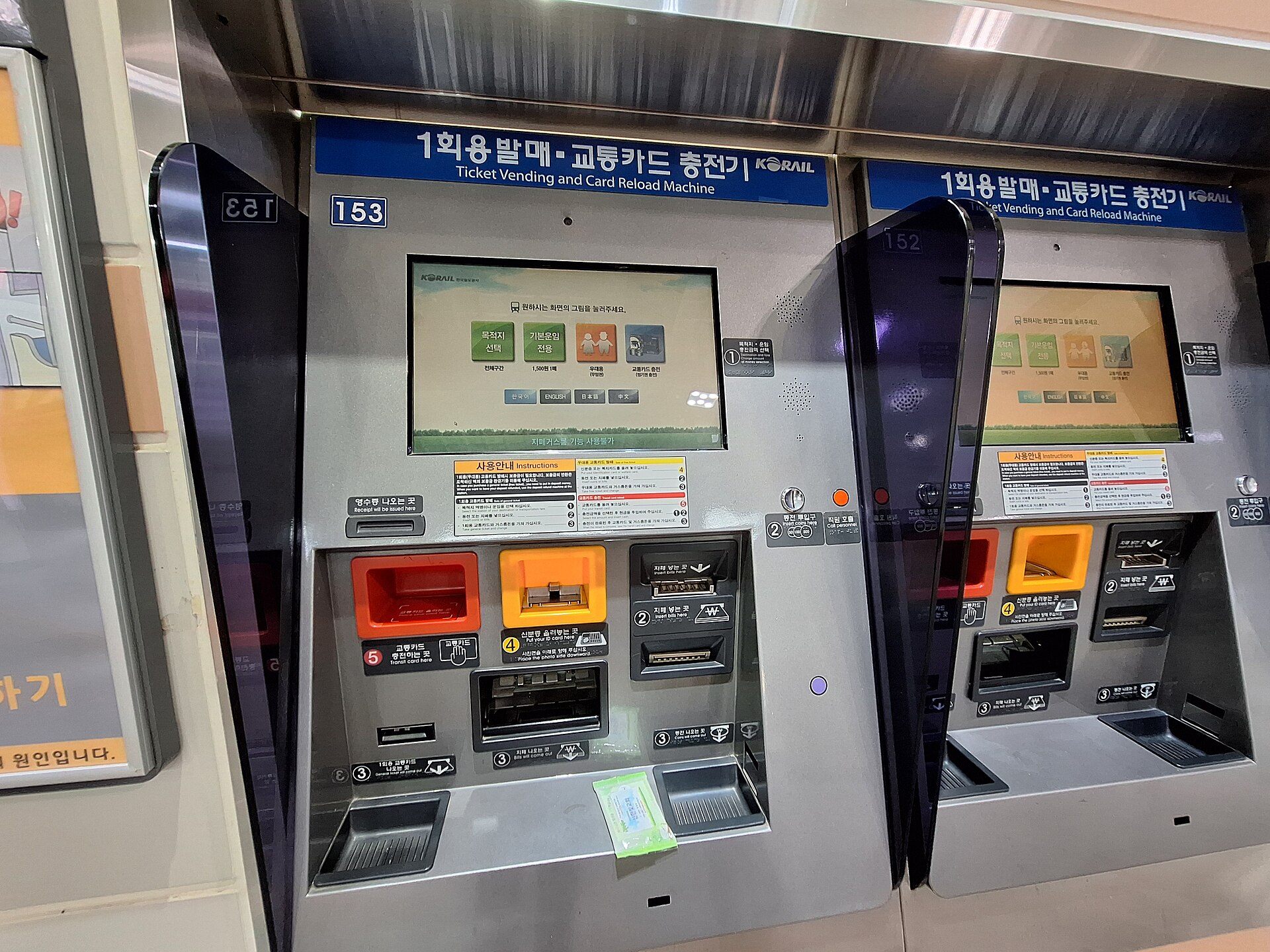
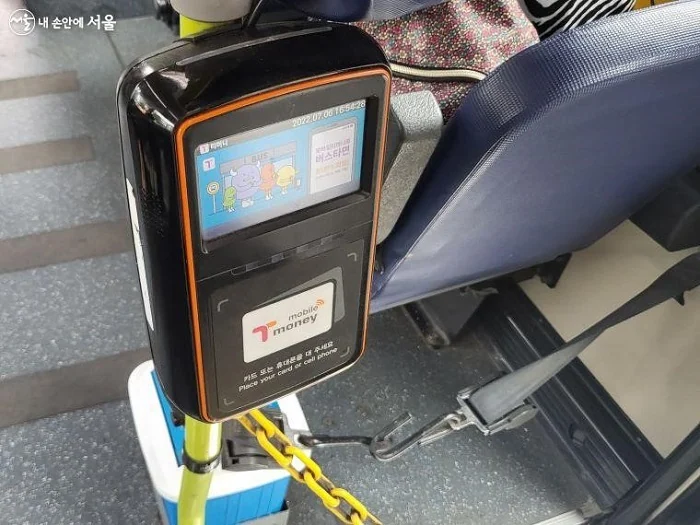
How a physical Tmoney card top-up and refund works: the KRW cash top-up units, the balance cap, the KRW 500 refund fee, the card price that is not refunded, and the partial-refund channels.
Visiting Seoul with a food allergy? Prepare precise questions on ingredients and shared equipment, and know why a dish's look or name can't tell you what's in it.
Before paying for K-pop tickets for a Seoul show, trace the seller back to the organiser, match your account to your ID, and read the event's own pickup and cancellation terms.
These original planning checklists complement the full guides. Rules, services and facilities can change; use the linked official channel for your travel date.
Before you travel
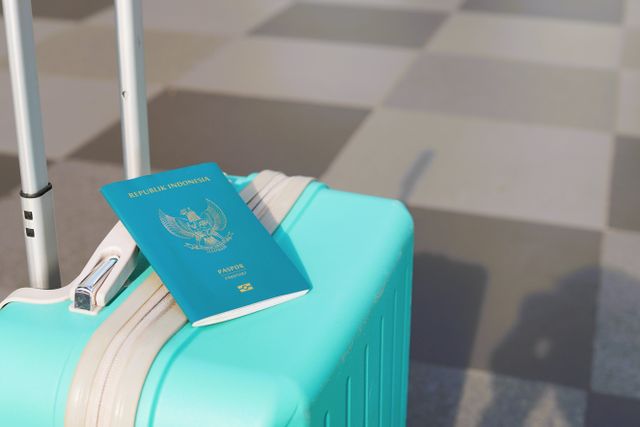
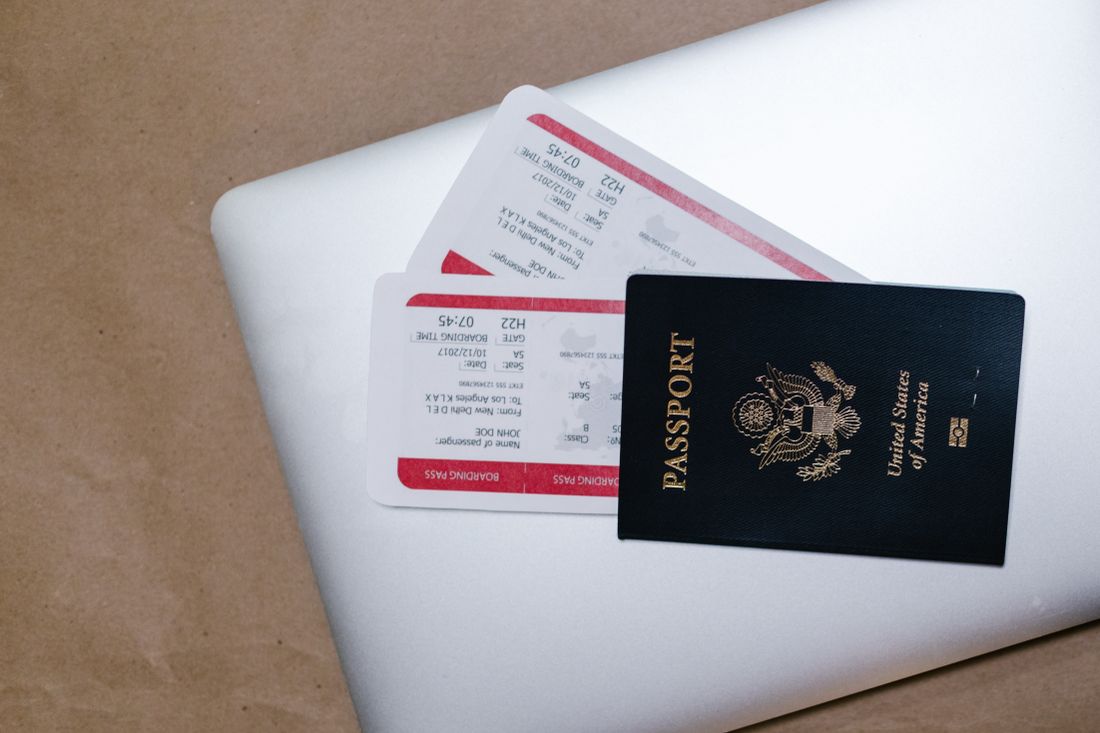
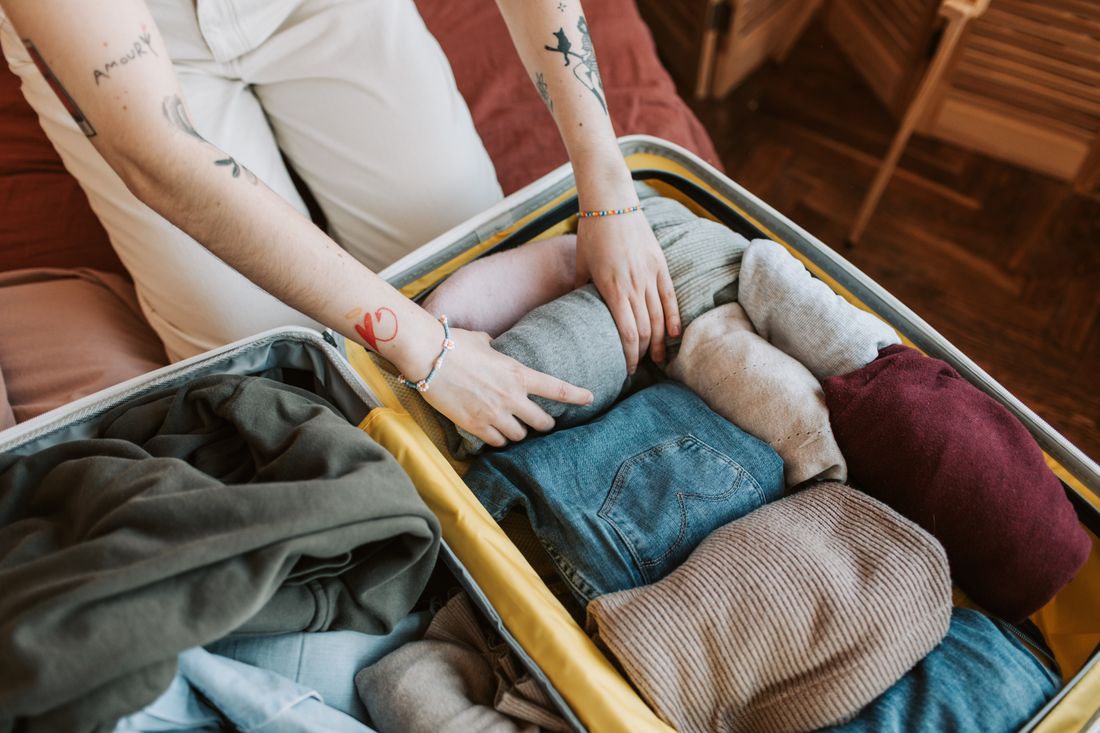
Prepare your travel documents before departure. Illustrative travel photograph.
Entry rules: what should I check before flying?
Check nationality, passport details and arrival-date requirements before booking.
Do not treat a previous trip or a friend’s nationality as proof that your own entry requirements are unchanged. Start with the official K-ETA site and your Korean embassy or consulate. Check the rules for the passport you will actually travel with, your purpose of visit and your arrival date. An authorisation, a visa and an arrival declaration are different things; check which applies to you.
Create a small offline arrival folder: passport details, accommodation address and phone number, return or onward booking, and any required approval. Compare every name and passport number with the original document before submitting. Keep the confirmation email accessible without mobile data. If your passport or itinerary changes, check whether you must update or reapply. Avoid sites offering guaranteed approval or charging for an “expedited” unofficial service.
Before you go
Check your nationality and travel date on the official notice.
Match the application to the passport you will carry.
Save approvals and the first-night address offline.
Review what is in your luggage before checking customs restrictions.
Packing food, gifts or medicines: what needs checking?
Separate airline baggage rules from Korean customs and quarantine requirements.
An item that fits in your suitcase is not automatically permitted through the border. Before packing food, plant products, animal products, medicines or a large purchase, use Korea Customs’ traveller guidance and the relevant quarantine or medicine authority. Do not assume that sealed packaging or personal use creates an exemption. Rules can depend on ingredients, quantity and the exact product.
Keep labels and receipts so an officer can identify what you are carrying. Put anything that may need inspection where you can reach it, rather than underneath your entire bag. For medicines, keep original packaging and check the rules for the active ingredient before departure; a prescription at home does not establish permission in Korea. If you are unsure, ask the authority before flying and declare as instructed. Airport liquid limits, customs allowances and postal restrictions are separate checks.
Before you go
Review the exact ingredients and quantities.
Retain original packaging and supporting documents.
Ask and declare; do not rely on another traveller’s experience.
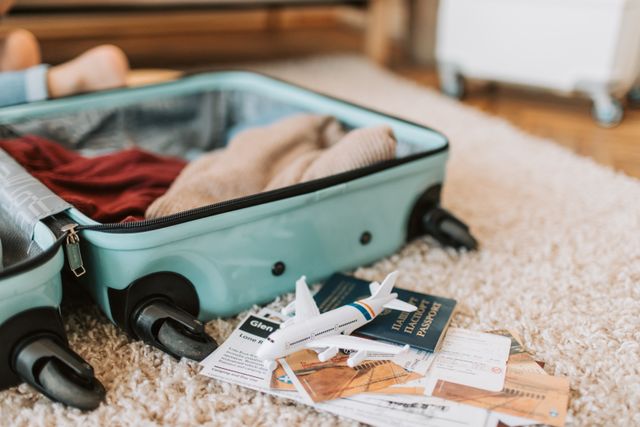
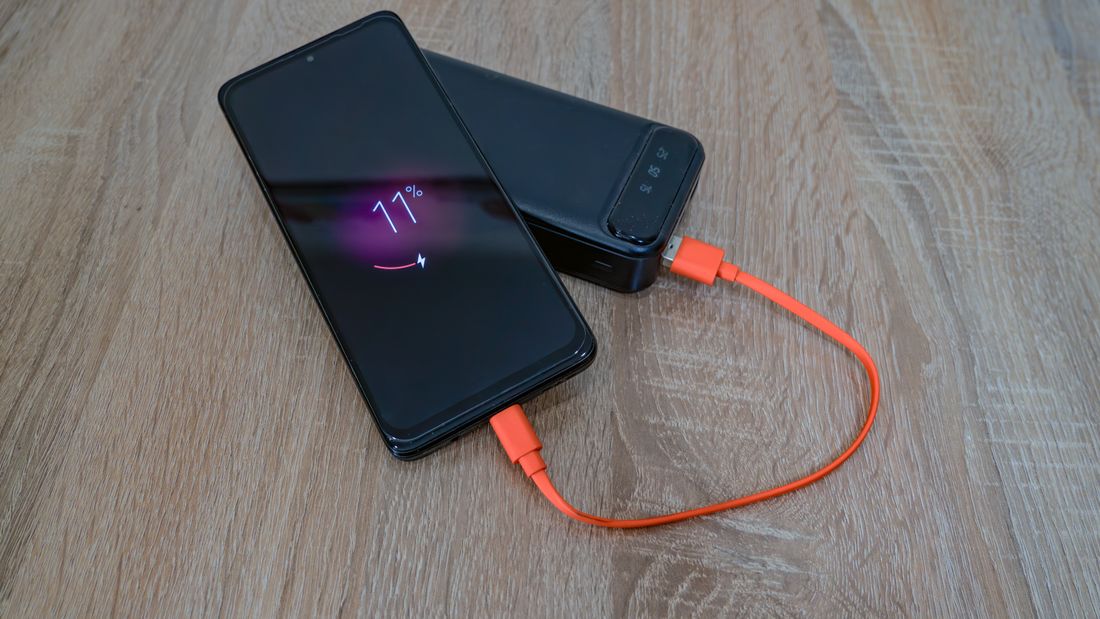
Carry a charging plan as well as your phone. Illustrative equipment photograph.
Will my charger work in Korea?
Check the input voltage as well as the plug shape.
Korea’s standard electricity supply is 220 V at 60 Hz, with round two-pin sockets. Read the input label on each charger before packing. A travel plug adapter changes the physical connection; it does not convert voltage. If the device is not rated for the local supply, ask its manufacturer what converter or alternative is required. High-power appliances need particular care, so do not improvise with a small phone adapter.
Pack the correct plug, the cable for your device and a backup charging plan for your first journey. A hotel may offer an adapter, but availability should be confirmed before arrival rather than assumed. Check your airline’s current rules for power banks and batteries separately. Keep a charged phone available for your accommodation address, translation and tickets; save essentials offline so losing power or data does not leave you without a route.
Before you go
Read the charger’s input range.
Distinguish a plug adapter from a voltage converter.
Plan where your bags will stay before check-in or after checkout.
Where can I leave a suitcase between check-out and departure?
Choose storage around your final route, not simply the cheapest listing.
Plan your bag’s last journey before choosing storage. Ask your accommodation whether it can hold luggage after check-out, for how long and with what collection procedure. If you choose a station locker or an independent storage provider, confirm the exact entrance, opening hours, bag-size limits and payment method. A station name alone is not enough when exits and underground corridors are far apart.
Allow time to return, collect your bag and reach the correct airport terminal. Take a photograph of the locker number or storage receipt and save the location offline. Keep passports, medication, money and valuables with you. Check what happens if you miss closing time and whether the service offers any stated protection for lost or damaged items. For a late flight, avoid leaving a bag at a location whose desk closes before your evening plans finish.
Before you go
Confirm opening and final collection times.
Check suitcase dimensions and the storage location.
Keep the receipt and build collection into your airport route.
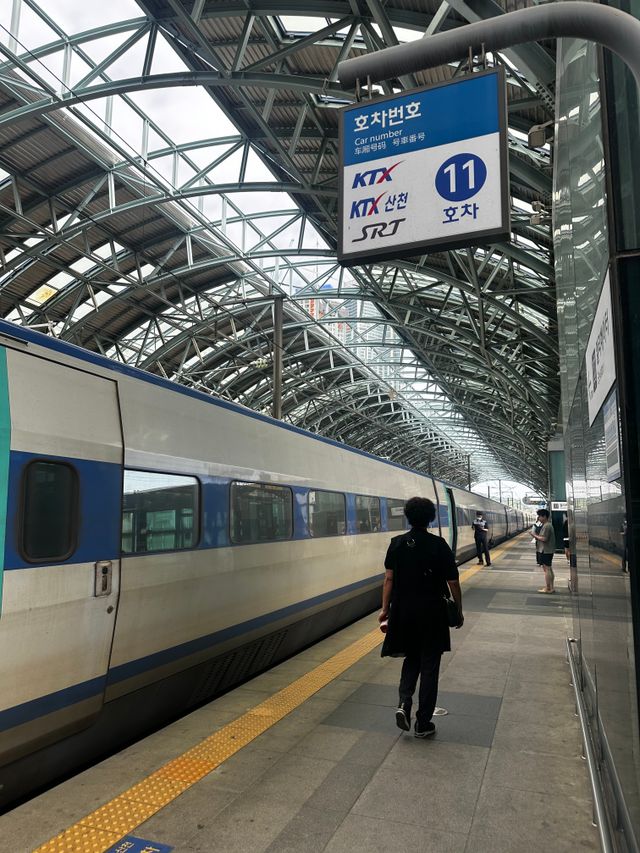
KTX-Sancheon at Seoul Station, photographed in 2017. Check your current train, departure platform and boarding time.
How do I book a train beyond Seoul?
Match the exact stations, travel date and fare conditions before paying.
Use KORAIL’s official English booking site to compare the actual departure station, arrival station, time and available seats. Do not choose a ticket by city name alone: a metropolitan area can have several stations, and reaching the wrong one can cost your departure. Check the train type and whether the fare is for a seat, a particular class or another ticket arrangement.
Before payment, read change and cancellation conditions and save the booking reference and ticket instructions. A rail pass is not automatically the cheapest choice; compare the pass price, eligibility and reservation process against your actual journeys. On travel day, arrive early enough to find the platform, carriage and seat while handling luggage. Leave a buffer before onward flights rather than treating the printed train arrival time as your airport arrival time. If a train is sold out, compare alternative times through the official channel instead of assuming another website has guaranteed inventory.
Before you go
Choose the precise departure and arrival stations.
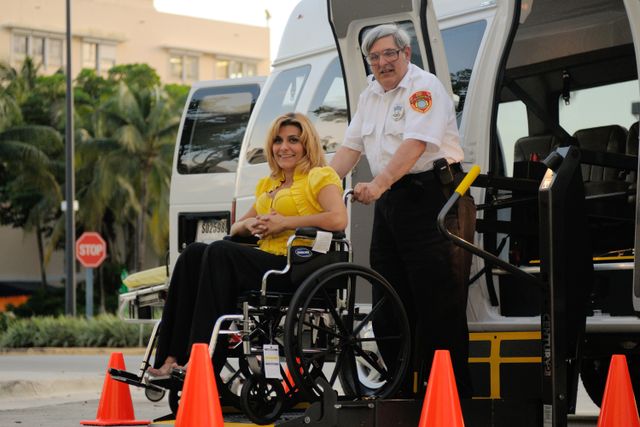
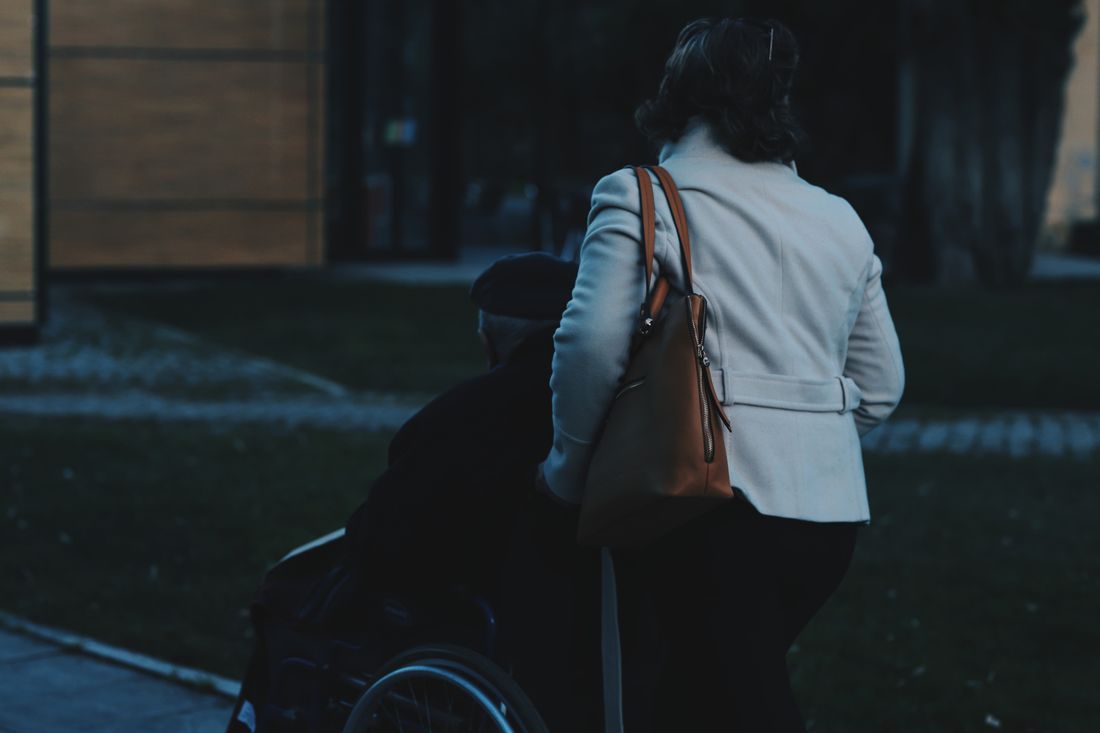
Plan step-free access and assistance for your exact journey. Illustrative accessibility photograph.
How do I plan a step-free day in Seoul?
Verify the entire route, including entrances, transfers and the last few metres.
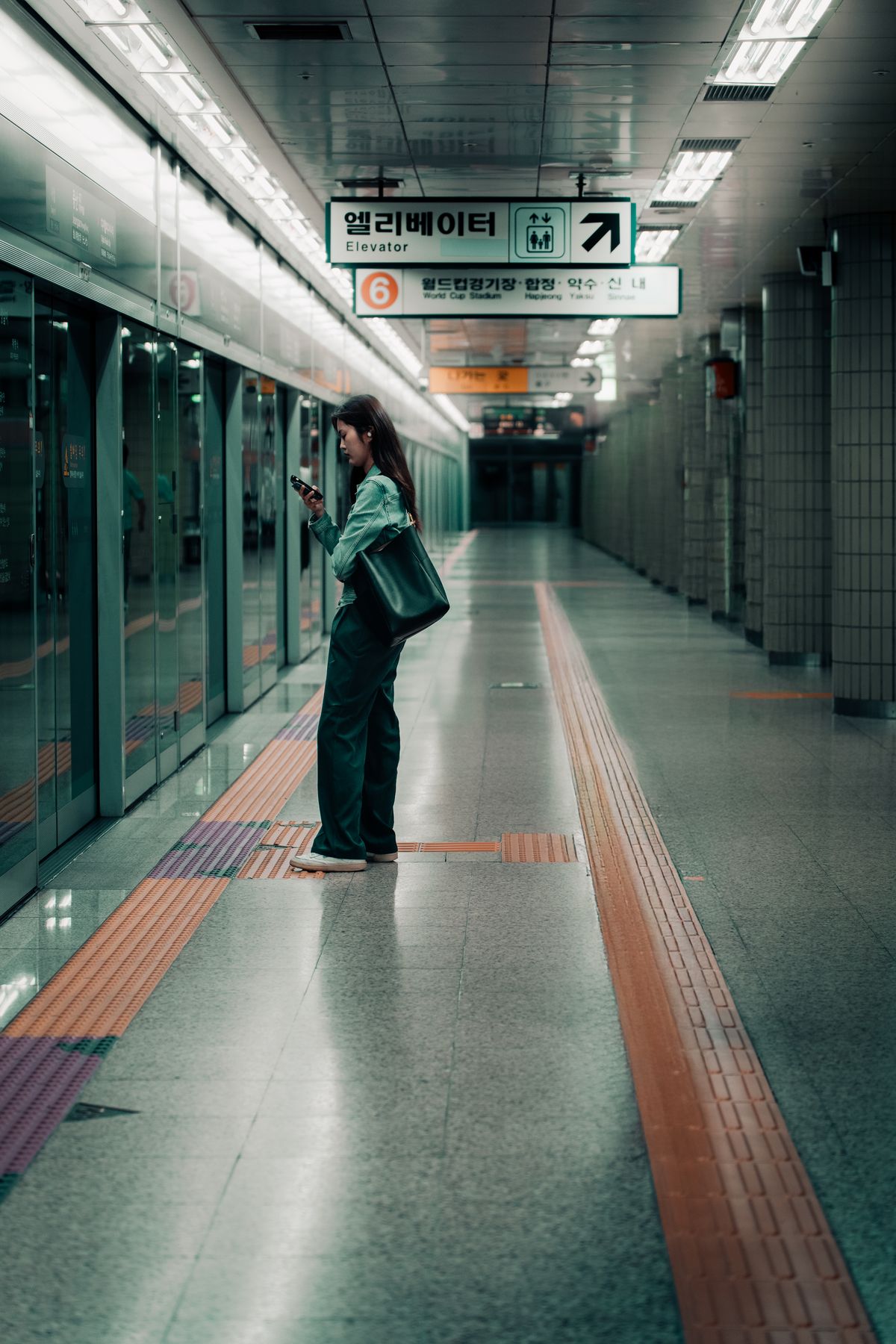
A venue marked accessible does not prove that every route to it is step-free. Check the subway entrance with an elevator, transfer corridors, pavement gradients and the venue’s actual accessible entrance. Build a route from door to door rather than from one station symbol to another. Contact the venue if you need a ramp, accessible toilet, reserved space or assistance that is essential to your visit.
Visit Seoul’s accessible itineraries give concrete examples around Seoul Station, including elevators, toilets and family facilities. Use those details as a starting point, then verify current operation before travelling. Allow extra time for a longer elevator route, and keep a backup transport option if a lift is unavailable. For wheelchairs or mobility equipment, confirm dimensions and charging needs with accommodation and transport providers. A photograph or a general accessibility icon cannot establish that a particular entrance will work for your needs.
Before you go
Check accessible entrances and transfer paths.
Confirm essential facilities directly with the operator.
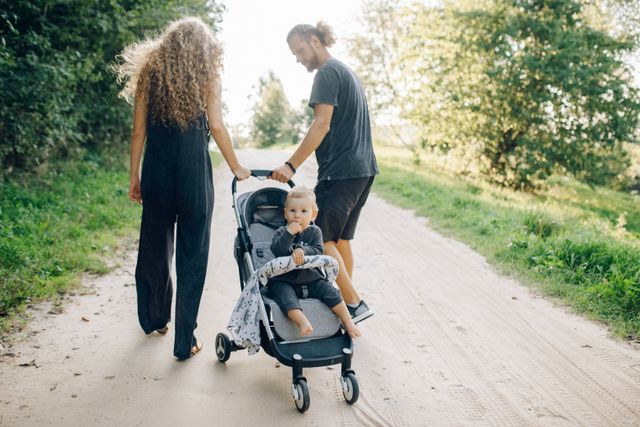
Family outing planning: allow time for breaks, toilets and an easy return route. Illustrative family photograph.
What changes when travelling with children or a stroller?
Build shorter journeys around breaks, toilets and age-specific booking rules.
Choose one main activity and one flexible nearby option instead of filling every hour. Check age or height restrictions, ticket categories and whether a child needs a separate reservation. For a stroller, confirm elevator access and where it can be parked or folded; the shortest walking route may include stairs. Ask accommodation about beds, occupancy and any additional child charges before payment.
Keep a small day bag with water, a change of clothes, familiar snacks where permitted and the items your child needs during delays. Identify a toilet or nursing-room stop before a long walk. Seoul’s accessible visitor information can help locate family facilities around specific routes, but availability should be checked for your actual stop. Save the accommodation address and a contact number, agree on a meeting point with older children, and leave room to abandon a plan when weather or fatigue changes.
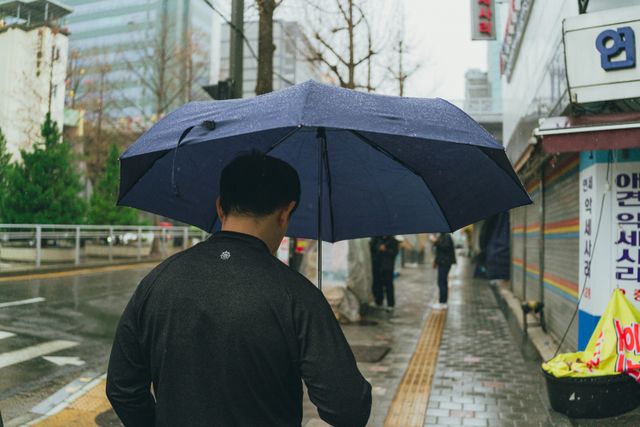
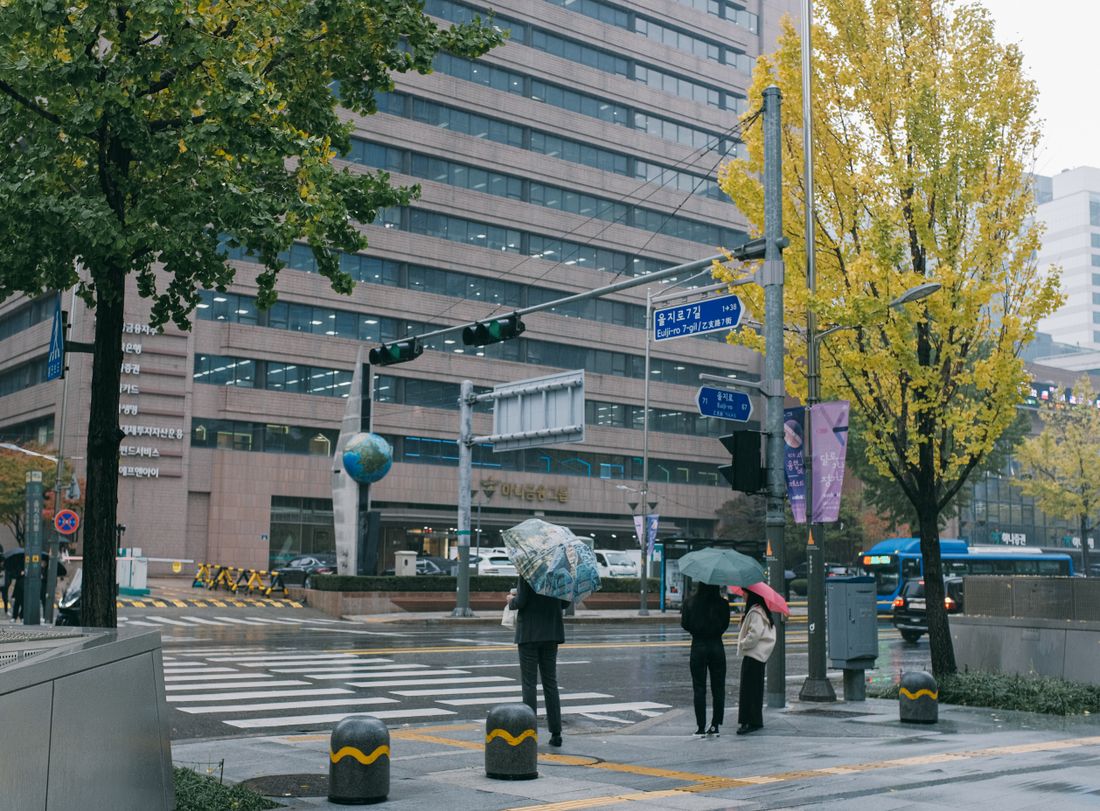
Rainy Seoul street: choose an indoor alternative and check the walking route.
How should I change my Seoul plan when it rains?
Keep a nearby indoor alternative and reassess the route, not only the destination.
Choose a backup in the same part of the city: a museum, exhibition, shopping area or café that genuinely interests you. Check the official opening day, last entry, reservation requirements and any weather-related notices before leaving. Do not assume a museum is open simply because it is indoors. A useful rainy-day plan reduces long exposed walks and complicated transfers.
Carry a compact umbrella or suitable rain layer and keep your phone and documents dry. Check the weather before committing to an outdoor viewpoint, riverside route or long hike. In heavy rain or an official warning, follow local guidance and change plans rather than pressing ahead for a photograph. Allow extra transport time and identify the covered entrance you will use. If you have a timed booking, read its cancellation or rescheduling terms before weather becomes a problem.
Before you go
Choose an indoor option near your original route.
Check opening, last entry and official weather notices.
Reduce exposed walks and protect essential documents.
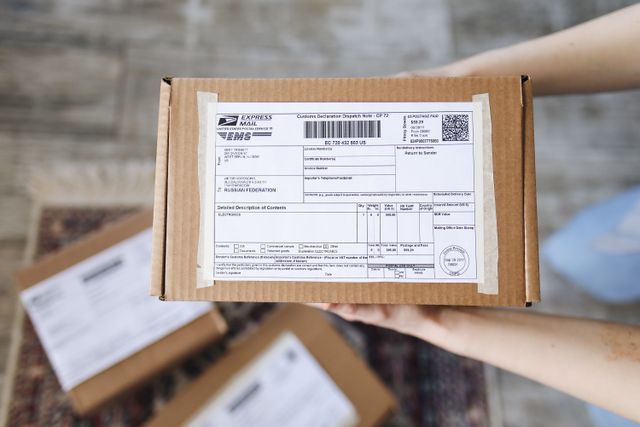
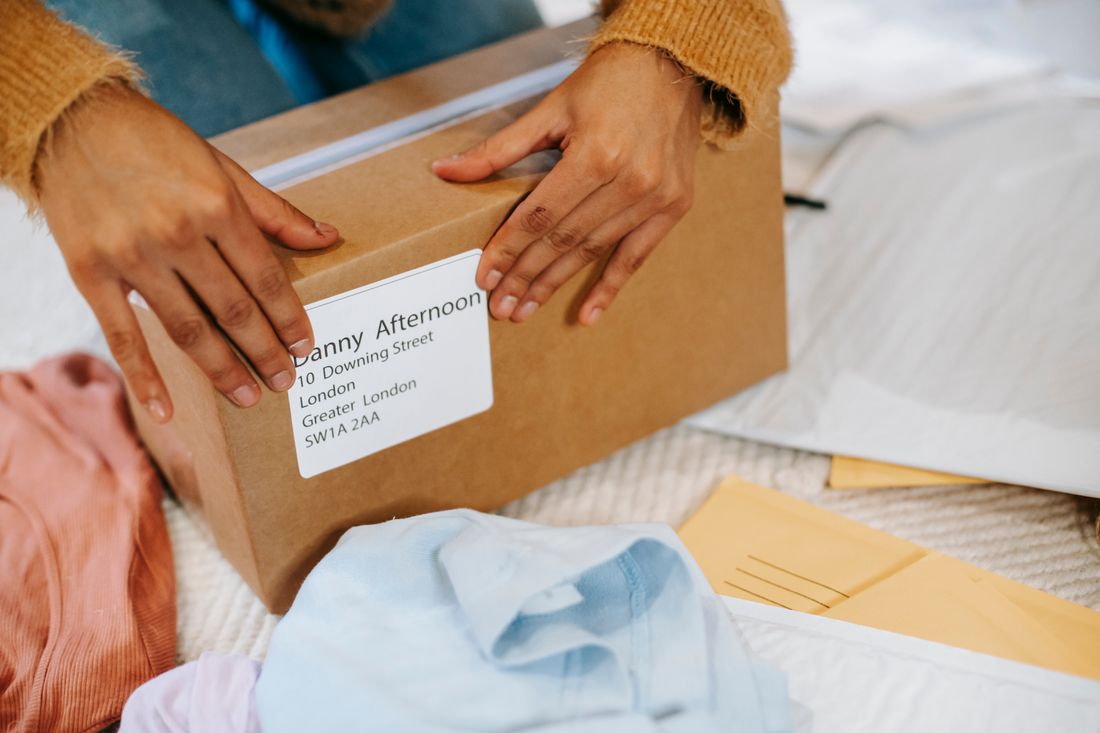
Pack carefully and confirm prohibited items and destination rules before sending.
Can I send shopping home from Korea?
Check destination acceptance, contents and total cost before buying a large load.
Use Korea Post’s international-mail guidance to check whether the destination and service currently accept your parcel. A country appearing in a price table does not guarantee that every service is available. Check prohibited contents and the destination country’s import rules before packing; batteries, liquids, food and other regulated goods may need specific checks or may not be accepted.
Compare postage and packaging costs with airline baggage options before buying bulky items. Prepare the recipient’s full address, postal code and telephone number, and describe each item accurately on the customs information. Keep purchase records and a copy of the dispatch receipt and tracking number. Ask about delivery estimates and compensation terms rather than assuming a fixed arrival date. Allow time for the post-office visit during your trip, and keep essential medication, passports and valuables with you rather than placing them in a shipment.
Before you go
Confirm service availability for the destination.
Check both postal and destination import restrictions.
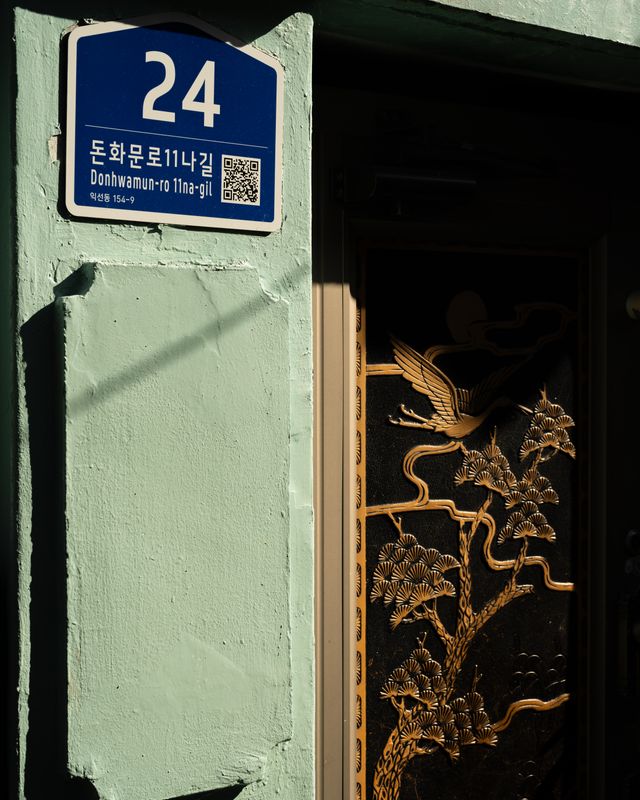
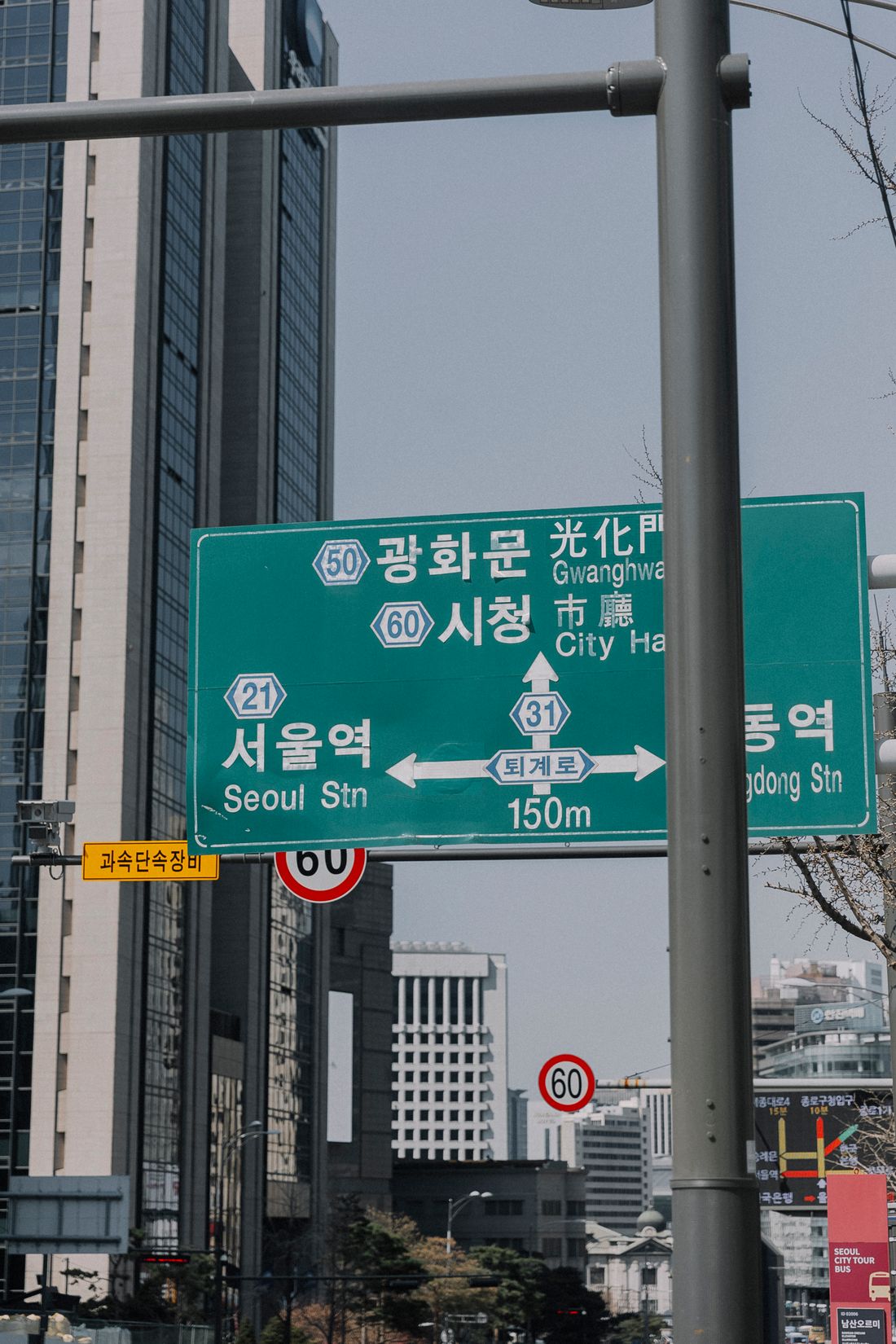
Downtown Seoul signs provide orientation. Keep the complete address and entrance details for your destination.
How do I show the right address to a driver or map app?
Save the Korean address and exact entrance, not only an English place name.
Copy the accommodation or venue’s Korean name, road-name address and telephone number from its official listing. Save the English version alongside it for your own reference. Similar names and multiple branches can lead to the wrong destination, so check the district and the building before setting off. A translated name is useful, but it should not replace the actual local address.
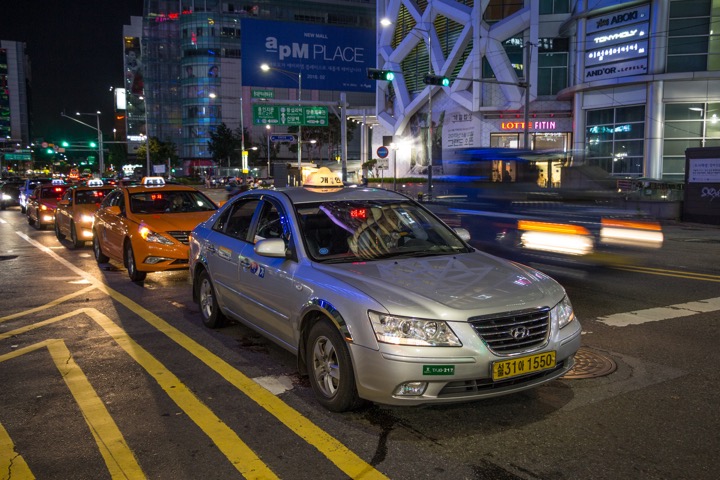
For a taxi, show the address on your phone before departure and confirm that the destination is understood. For walking, identify the usable entrance and any floor or building instructions. Save a map pin and an offline screenshot, but check a current navigation service for the journey itself: a static overview cannot tell you about a closed entrance or the next bus. If your phone loses data, a saved Korean address and contact number give you a practical way to ask for help.
Before you go
Save the official Korean name and road-name address.
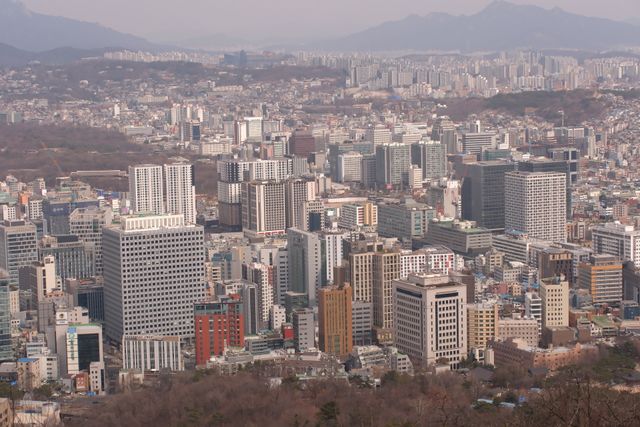
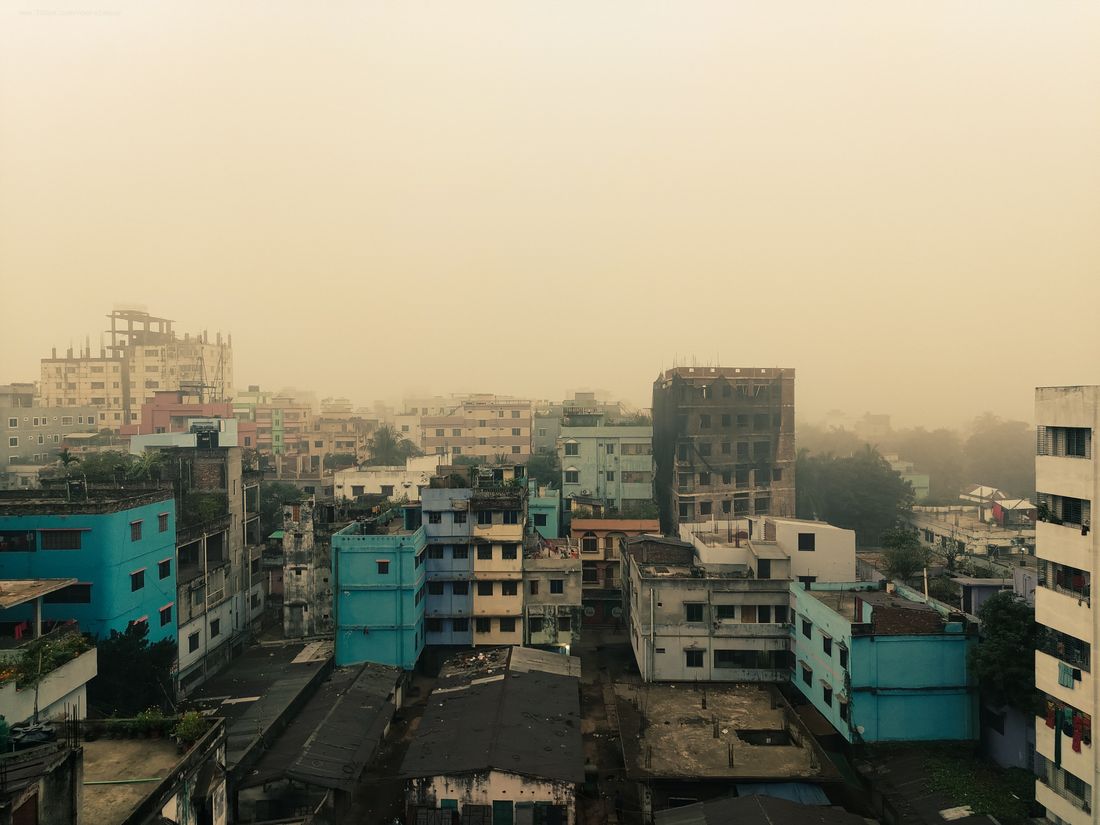
Illustrative urban haze photograph, not a current Seoul pollution reading. Check the measured air-quality index before deciding.
Where should I check fine dust before an outdoor day?
Use current measurements and local advice rather than judging a skyline photograph.
Check AirKorea for current air-quality information in the area you will visit. Look at the pollutant, observation time and location instead of treating a single citywide number as the condition of every neighbourhood. A clear-looking photograph, a social-media post or yesterday’s reading does not establish today’s exposure.
Use official advice to decide whether to shorten an outdoor activity, move it indoors or change its timing. Travellers with health conditions should follow their clinician’s advice; this guide does not set a personal safe exposure level. Save an indoor option close to your planned route so a change does not create another long outdoor journey. Recheck before a lengthy hike or riverside ride, and remember that air quality and weather are separate checks: a comfortable temperature does not mean pollution is low.
Before you go
Check the location and time of the measurement.
Read official alerts and relevant personal advice.
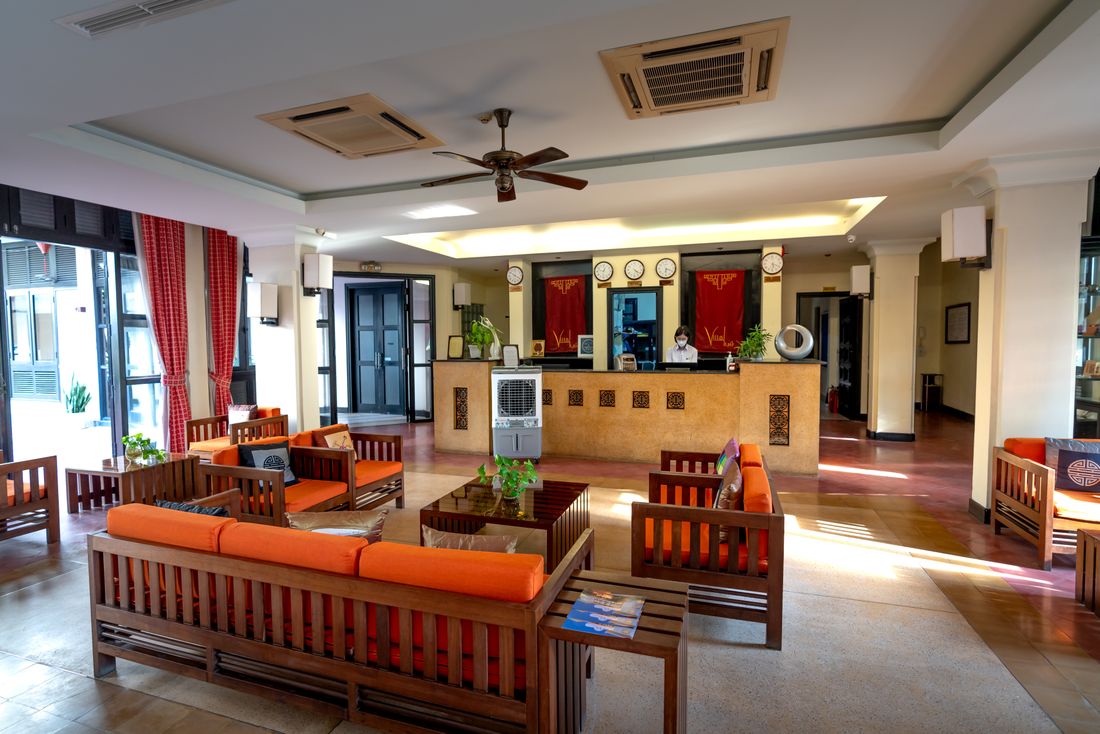
Illustrative reception photograph. Ask your booked hotel about early check-in and luggage storage.
What if I arrive before hotel check-in?
Agree a first-day plan before assuming a room will be ready.
Ask the accommodation for its check-in time, whether early access can be reserved and any charge. An early arrival note is not a guaranteed early room. If you must sleep immediately, discuss the exact booking arrangement with the property before paying. Confirm that your expected arrival date and time match the booking, especially when flying overnight.
Ask whether luggage storage is available and what identification or receipt you will need to collect your bags. Plan a low-effort first stop nearby rather than carrying luggage across the city. Keep a change of clothes and essential medication in a small bag that remains with you. For an arrival before dawn, confirm the reception’s operating hours and instructions in writing. If you arrive late instead, tell the property so a delayed flight does not turn into a missed check-in.
Before you go
Confirm the room-ready time and any early-access charge.
Ask about storage and reception hours.
Keep a light first-day plan and essentials with you.
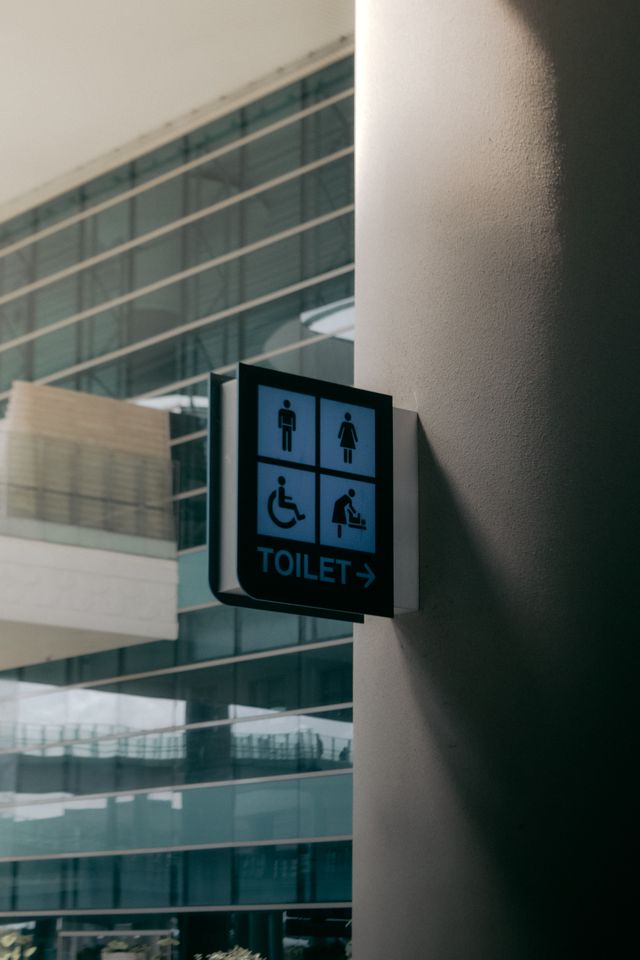
Common restroom symbols. Illustrative signage photograph, not a specific Korean facility.
How do I find a useful restroom stop while exploring?
Plan a facility on your route and check access hours and accessibility.
Before a long walk, identify a restroom in a station, visitor facility, museum or other accessible stop on your actual route. Search for a restroom in a local map service, then check the location rather than assuming the nearest pin is open or publicly accessible. A restroom inside a ticketed venue or closed building may not be usable when you need it.
If you need an accessible toilet, changing facility or nursing room, verify that specific facility through the venue or an official accessible itinerary. A generic restroom icon does not prove step-free access or the equipment you need. Keep tissues and basic hygiene supplies in your day bag. For family or mobility needs, schedule a confirmed stop before a long transfer or outdoor activity and keep a backup nearby. Ask staff when a facility’s access conditions or entrance are unclear.
Before you go
Check the building, entrance and operating hours.
Verify specific accessible or family facilities.
Keep a backup stop before a long walk or transfer.