
Choose the restaurant by one test: can someone there tell you what is in the whole dish and how the kitchen prepares it? If nobody can, eat somewhere else. In my view allergies are taken seriously in Korea, but the preparation always has to start with you, and if you have a peanut allergy, say so every time.
From eating here, I have not found the same level of allergy awareness in every restaurant, and a friendly welcome, a high price or an attractive menu would not be enough for me to recommend a meal to someone with a serious allergy.
I do not know exactly what I am allergic to. Sometimes something like hives comes up, and I cannot say which food brings it on. I have had that after eating ginseng. That is only my own experience, not a diagnosis, and it tells you nothing about what you can eat.
Your clinician's avoidance and emergency plan is the basis for your decisions. My local experience cannot certify a dish. I would rather you change the restaurant than make an uncertain answer fit the itinerary.
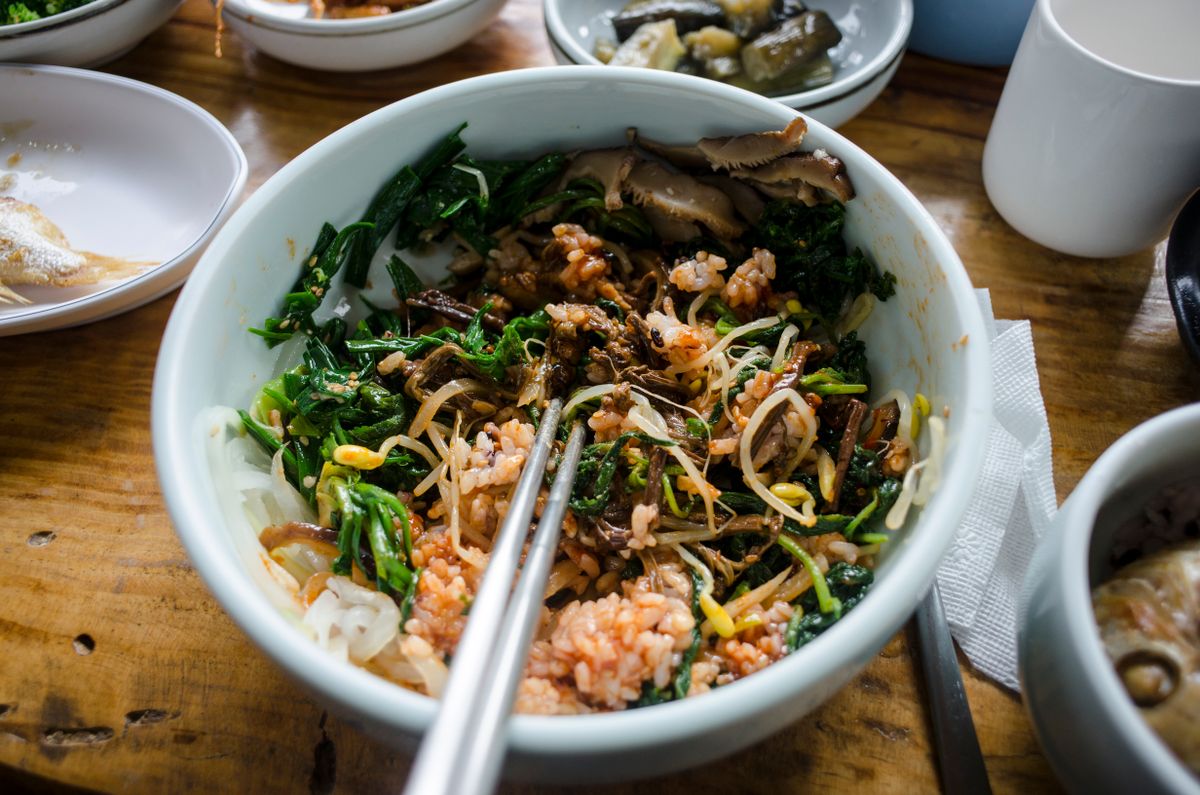
If a reaction starts
Anaphylaxis can start within minutes. The NHS anaphylaxis page gives these symptoms:
- swelling of your throat and tongue
- difficulty breathing or breathing very fast
- difficulty swallowing, tightness in your throat or a hoarse voice
- wheezing, coughing or noisy breathing
- feeling tired or confused
- feeling faint, dizzy or fainting
- skin that feels cold to the touch
- blue, grey or pale skin, lips or tongue (if you have brown or black skin, this may be easier to see on the palms of your hands or soles of your feet)
You may also have a rash that's swollen, raised or itchy. The same page also says to call an ambulance if your lips, mouth, throat or tongue suddenly become swollen, if you suddenly become very confused, drowsy or dizzy, if someone faints and cannot be woken up, or if a child is limp, floppy or not responding like they normally do. If you suspect anaphylaxis, follow the NHS order and use Korea's emergency number:
- Use your adrenaline auto-injector if you have one, even if your symptoms are mild.
- Call 119. Say you think it is an anaphylactic reaction. If you do not speak Korean, say "English please" or "Interpreter please" when the call connects, and the operator will connect a professional interpreter. Give the restaurant's name, or use nearby buildings or your phone's GPS to describe where you are.
- Lie down. You can raise your legs. If you are struggling to breathe, raise your shoulders or sit up slowly. If you are pregnant, lie on your left side. Do not stand or walk at any time, even if you feel better.
- Use a second auto-injector after 5 minutes if your symptoms have not improved.
Anaphylaxis needs hospital treatment immediately, so do not wait to see whether symptoms settle. If your clinician has given you a written plan, follow it. Do not lose time on other numbers: 1339 is the disease-information and infectious-disease reporting line, and the 1330 Korea Travel Helpline is for travel information and interpretation.
Before you go out
Before you travel, go through your personal plan and prescribed medication with your clinician, and keep the medication where you can reach it. Save your accommodation address and the name of wherever you are eating, so anyone can describe the location to 119.

Line up a backup place before a long sightseeing day. No chain or convenience store is automatically safe, but a second option takes away the pressure to accept a meal because everyone is tired. A companion can help ask the questions. The group's preference for a restaurant should not outweigh the requirement of the person with the allergy.
Ingredients a Korean dish may not show you
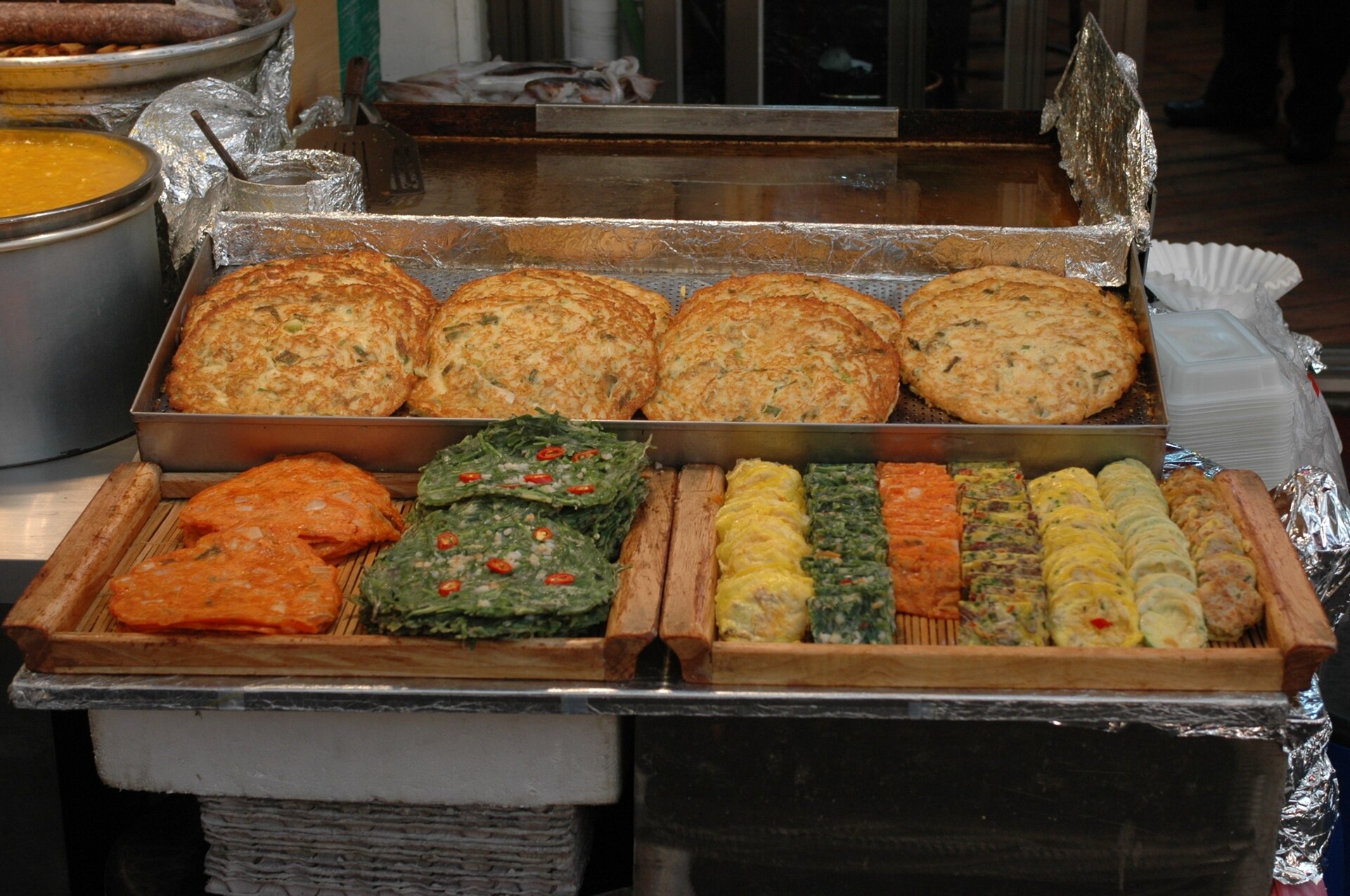
A dish that looks like vegetables or tofu can still carry seafood, soy or sesame. Official descriptions of a few everyday foods make the point. Recipes change from kitchen to kitchen, so treat these as prompts for your question and never as a list of what is safe.
| Food | What official descriptions include | Who should ask |
|---|---|---|
| Kimchi | Fermented seafood sauce, salted shrimp and salted anchovy, with red pepper powder, garlic and ginger | Shellfish and fish allergies |
| Gochujang (chili paste) | Powdered meju (fermented soybeans), glutinous rice powder, red pepper powder and malt | Soy and grain allergies |
| Doenjang and ganjang (soybean paste and soy sauce) | Fermented soybeans in salt water, from the same source | Soy allergies |
| Dubu kimchi (tofu with stir-fried kimchi) | Pork, gochujang, soy sauce, sesame oil and crushed sesame seeds in the Korean Food Promotion Institute's recipe | Pork, soy and sesame allergies |
Questions to ask, in this order
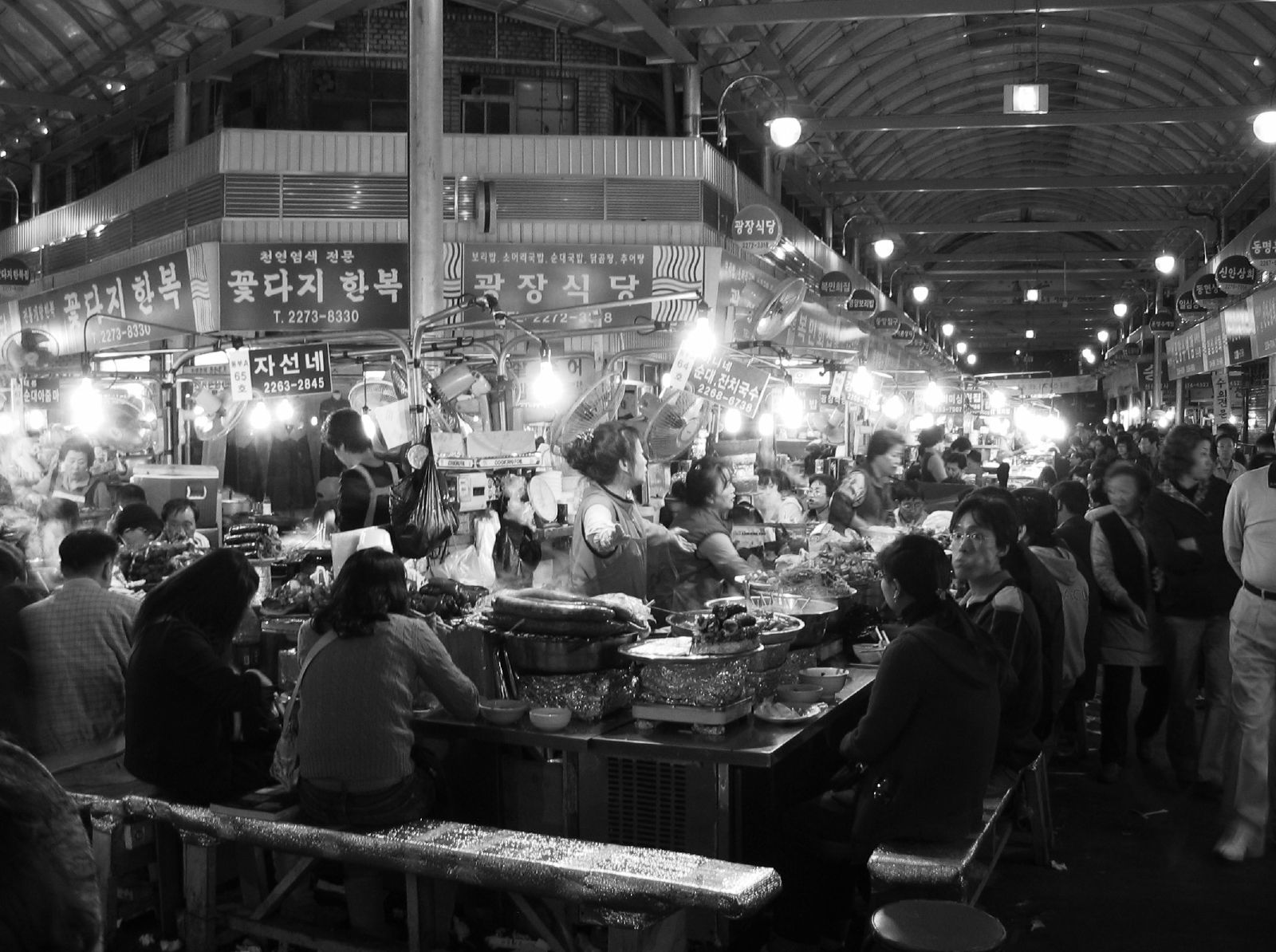
Getting a staff member's attention has been straightforward in my ordinary restaurant visits. For an allergy, that is only the beginning. Saying "I cannot eat this" can sound like a preference, so show a written description of the allergy and work through these:
- Who can answer? Ask for the person who can check with the kitchen. Knowing the menu is different from knowing every component.
- What is in the whole dish? Ask about the base, the sauce and any ready-made components as well as the named main ingredient. Two restaurants with the same menu name need not use the same recipe, and yesterday's answer does not carry over to today's kitchen.
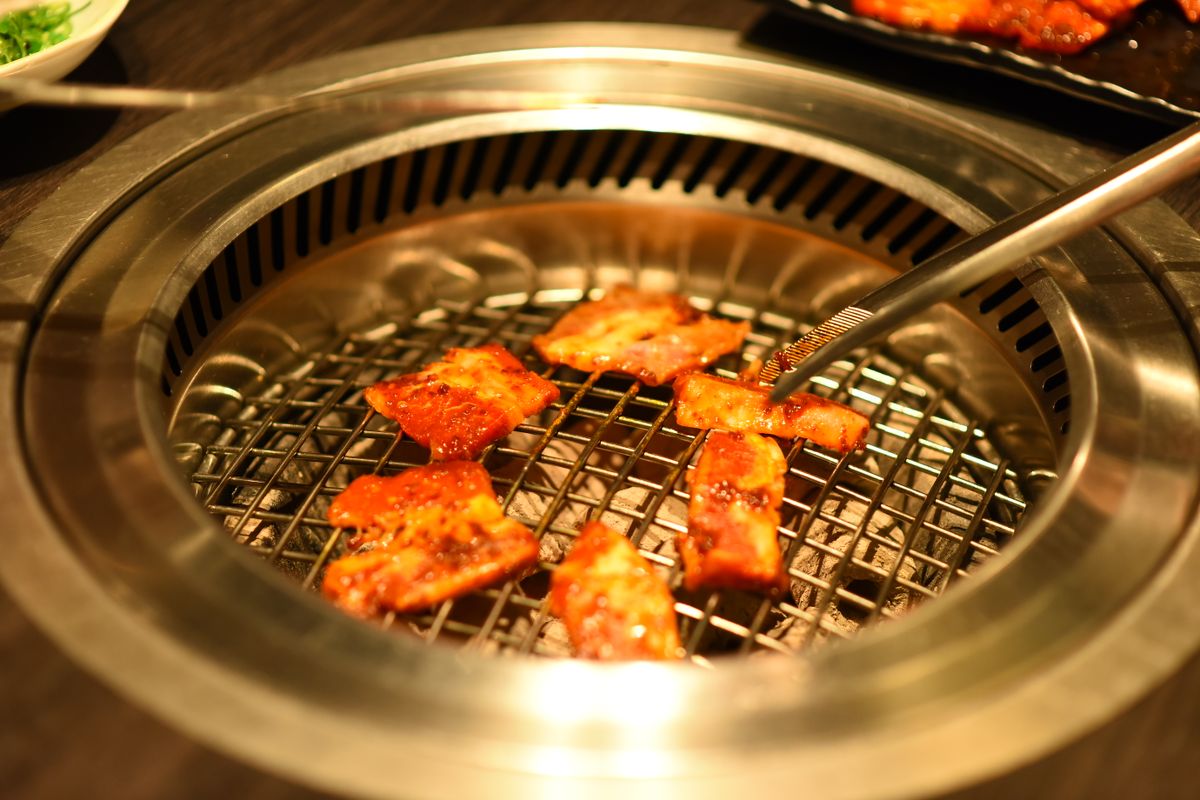
- How is it prepared? Ask about shared grills, utensils and oil. "We can remove it" answers the garnish and leaves the preparation open.
- Can you confirm that when the food arrives? Food Standards Scotland advises repeating your needs on arrival, checking that recipes have not changed, and not eating there if you doubt that staff understand. That is general guidance and not Korean law, but it works as a framework here too.
Korean words for your card
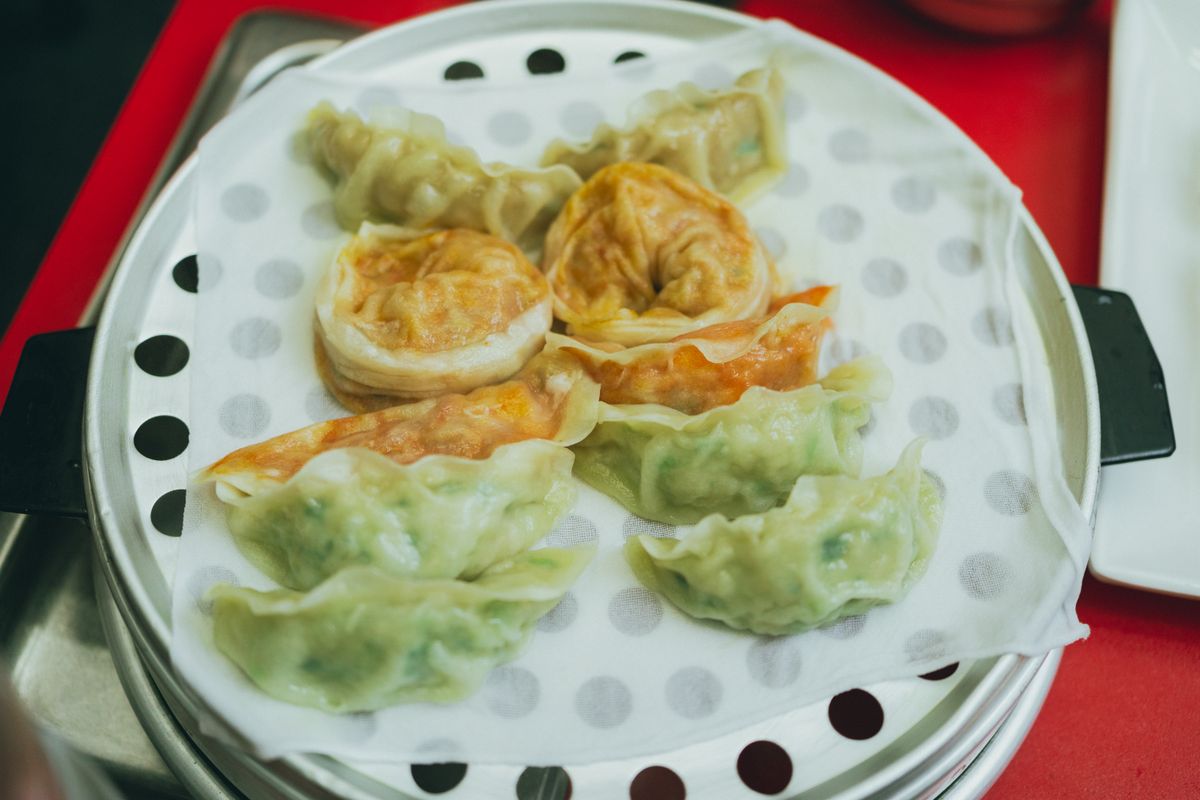
I strongly recommend carrying a card as personal protection, and for someone with a peanut allergy I think it will really help. These are the words used on Korean food labels. Write yours on the card, keep your own language beside it, and have the wording checked if you can. A camera translation can start a conversation but is no safety assessment, and a correct translation still leaves the question of what is in the kitchen.
| Allergen | Korean | Allergen | Korean |
|---|---|---|---|
| Peanut | 땅콩 | Shrimp | 새우 |
| Walnut | 호두 | Crab | 게 |
| Pine nut | 잣 | Shellfish (oyster, abalone, mussel) | 조개류 (굴, 전복, 홍합) |
| Egg | 달걀 (official list: 알류) | Squid | 오징어 |
| Milk | 우유 | Mackerel | 고등어 |
| Wheat | 밀 | Soybean | 대두 (콩) |
| Buckwheat | 메밀 | Peach | 복숭아 |
A sentence to write out. Peanut is only the example, so put your own allergen in the brackets:
저는 [땅콩] 알레르기가 있습니다. 아주 조금만 먹어도 위험합니다. 이 음식에 [땅콩]이/가 들어가나요? 조리할 때 같은 기구나 기름을 쓰나요?
That says: I have a [peanut] allergy. Even a very small amount is dangerous. Does this food contain [peanut]? Do you use the same utensils or oil when you cook it?
Turning the answers into a decision
| What you hear | Next step | Do not assume |
|---|---|---|
| The server can name the dish but not its ingredients | Ask someone who can check with the kitchen | Familiarity with the menu means knowledge of every component |
| The ingredient can be left out | Ask separately about preparation and shared equipment | Removing it eliminates every possible exposure |
| The answer is unclear or changes | Choose another option that fits your clinician's plan | A reassuring tone settles the uncertainty |
| A package has a readable ingredient label | Check that specific product and its warnings | A similar-looking package has the same contents |
A missing answer is not permission to eat. Should you try a small amount to find out? No. Follow the avoidance plan and make room in the itinerary for another choice.
Labels on packages and chain menus
Korea's food-safety portal says listed allergens must appear on a package when used as an ingredient, whatever the amount, in a separate allergy display, with a caution when shared production makes contamination unavoidable. The list covers egg, milk, buckwheat, peanut, soybean, wheat, pine nut, walnut, crab, shrimp, squid, mackerel, shellfish, peach, tomato, chicken, pork, beef and sulfites. Sesame is missing from that page, and so are tree nuts other than walnut and pine nut. A label without them tells you nothing about those foods. In August 2026 the Ministry of Food and Drug Safety proposed adding sesame, perilla seed, almond and cashew nut to the list. The notice gives no start date for them, so do not count on a label to show them yet.
Menus are a narrower story. The display rule announced in 2021 covers franchises with 50 or more outlets selling burgers, pizza, bakery goods or ice cream. Do not expect the same display at a neighborhood restaurant. Read the actual label rather than an online photo of an earlier version.
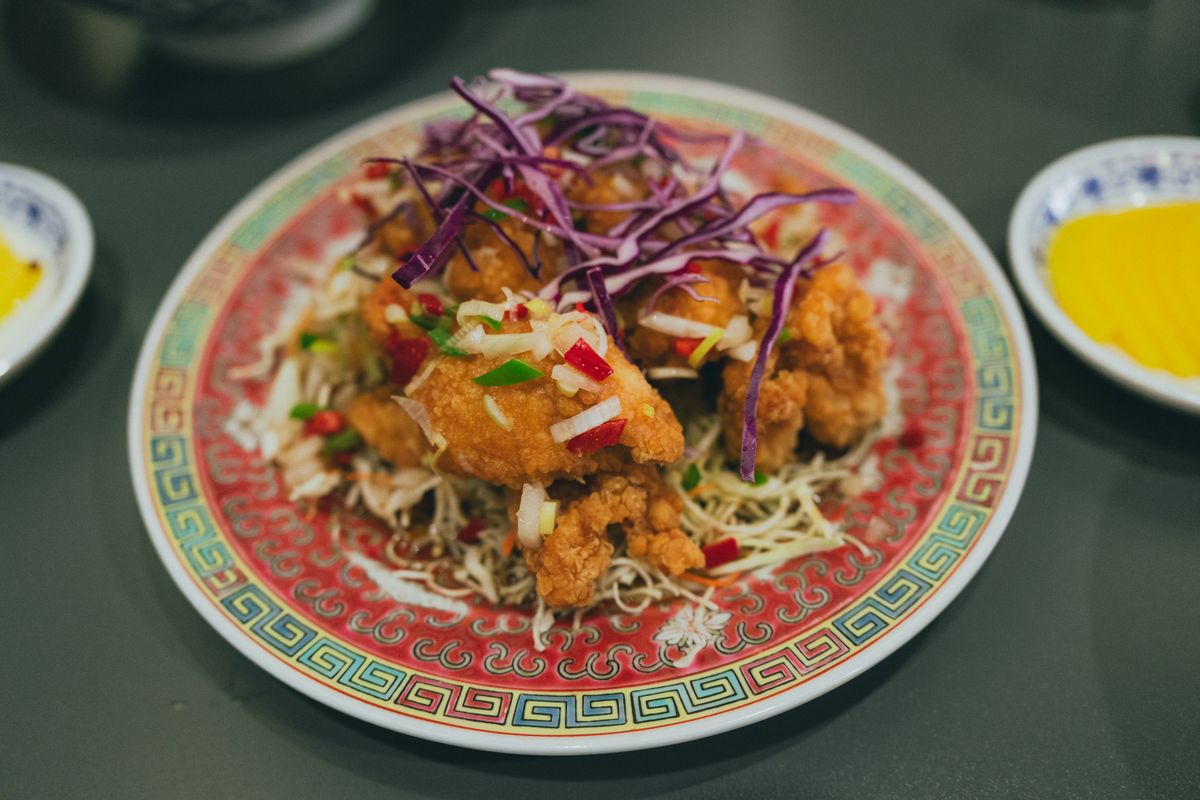
Dietary labels are a separate matter. A vegetarian, vegan, halal or pork-free description may answer an important question, but you still need to name your allergen and ask about preparation. A simple-looking dish can still contain ingredients nobody can see.
Sources checked 7 November 2026. This is travel guidance. Your clinician's advice comes first.