
Question answered
What etiquette basics help a visitor avoid awkward moments in Korea without overthinking every interaction?
Quick answer
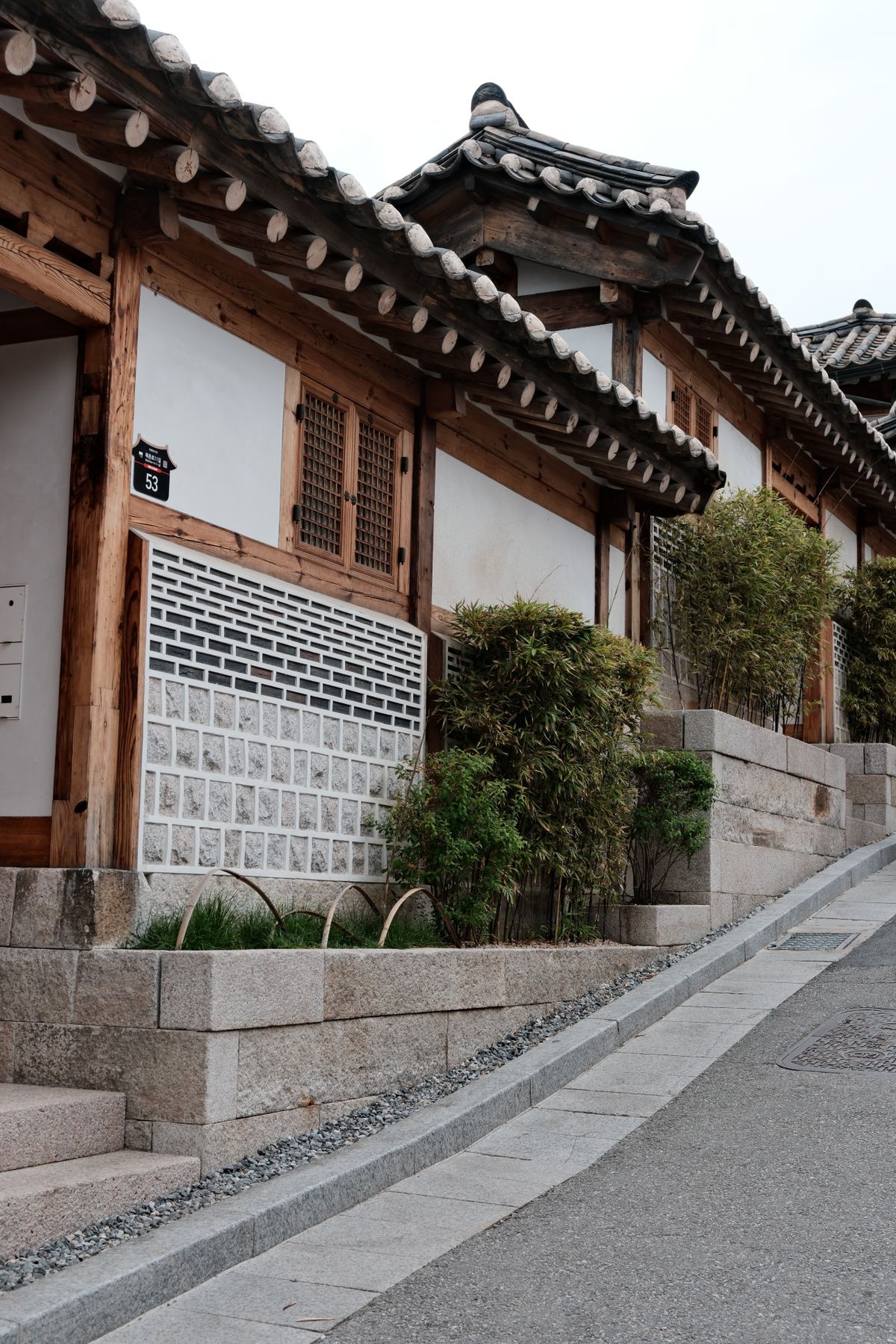
Focus on situational respect: manage noise, queues, shoes, seating, trash, photography and payment behaviour according to the setting. You do not need to perform Korea perfectly, but you should notice whether you are in a temple, subway, small restaurant, private home, market, office district or nightlife area.
What travelers usually get wrong
- They memorise a few gestures but ignore noise, queues or private-space rules.
- They assume tourist areas remove all local expectations.
- They photograph people, staff, menus or interiors without considering permission and context.
Before you go
- Match your volume to the room or train car.
- Watch where shoes are removed before stepping onto raised floors, guest rooms or some traditional seating areas.
- Ask before photographing people, private spaces, staff or close-up work areas.
Public space etiquette is often about friction
On transit, narrow streets and popular attractions, etiquette is less about formal ritual and more about not blocking flow. Stand aside before checking maps, let passengers exit first, and avoid spreading luggage across seats or pathways.
Queues may be informal in some markets and very clear in cafes, attractions or transport lines. When unsure, pause and observe before stepping in.
Shoes, seating and private boundaries
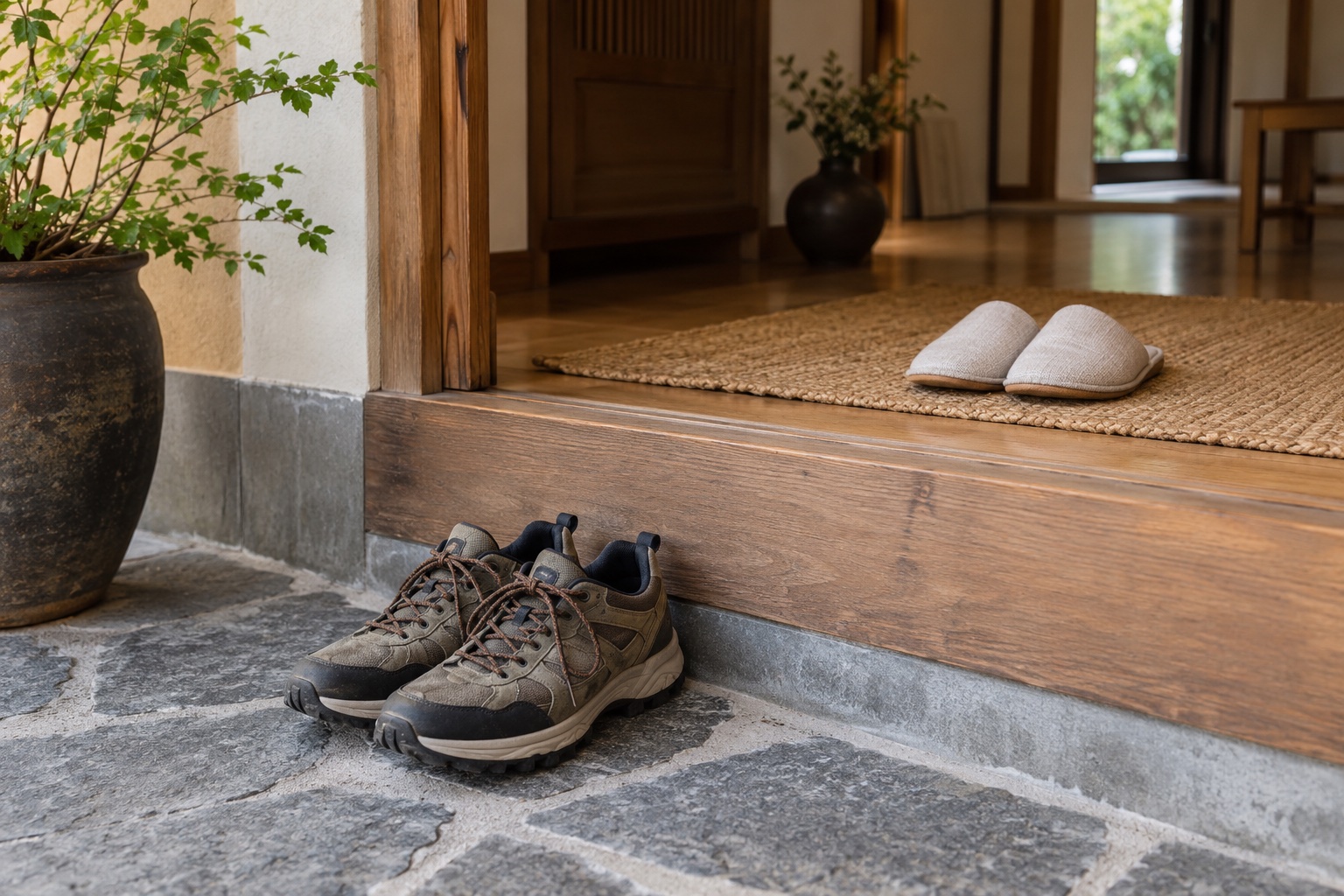
Some restaurants, guesthouses, homes and traditional spaces require shoe removal. Look for shoe racks, raised floors, slippers or staff cues. When in doubt, ask before stepping onto a raised clean area.
Private homes, school groups, religious spaces and working staff deserve extra caution with photography, loud commentary and personal questions.
Food, trash and small payments
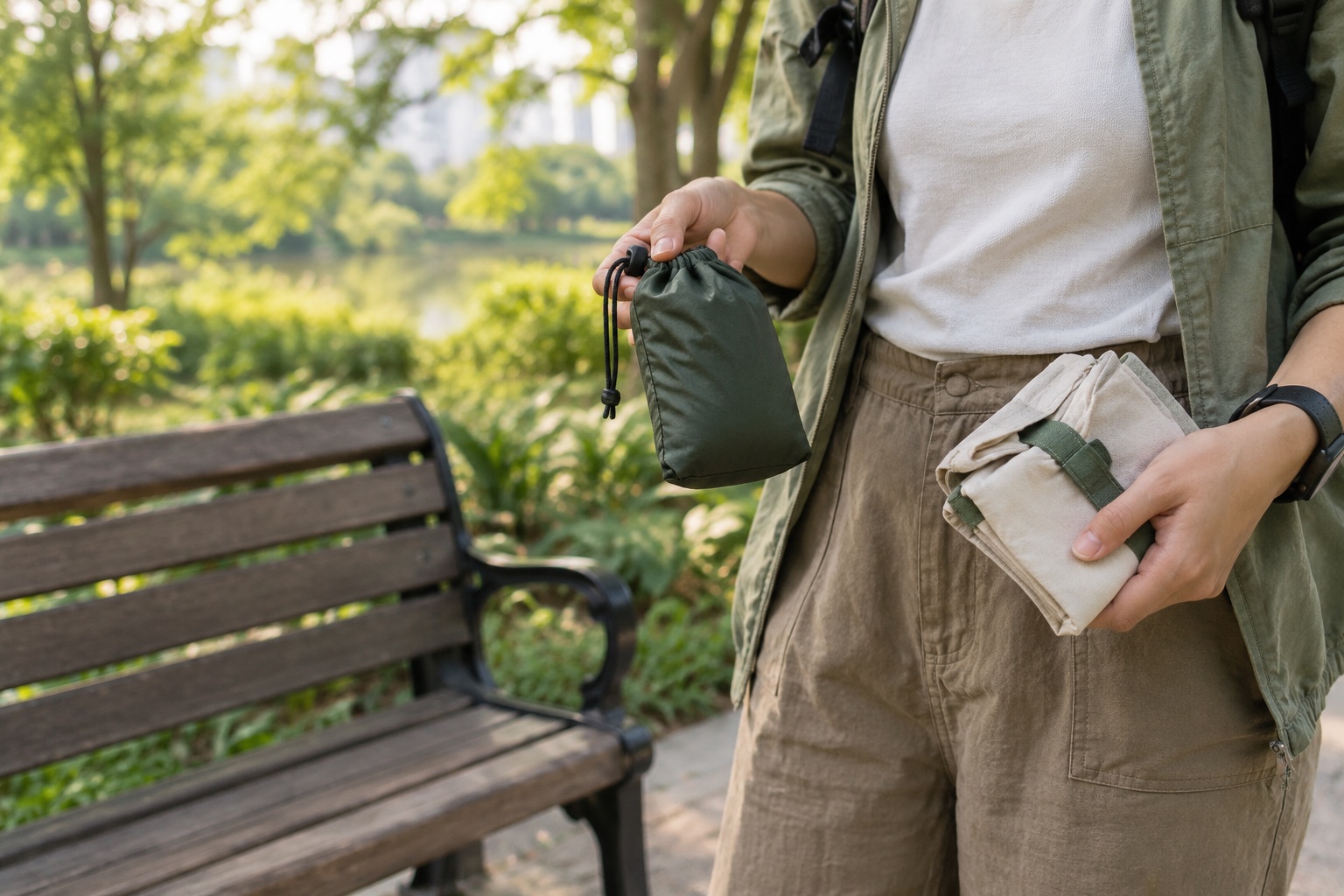
Do not assume public trash bins are always nearby. Carry small trash until you find the correct place. In restaurants and cafes, return trays or separate waste when signs and local behaviour point that way.
Payment etiquette is practical: some venues prefer one bill, some split, some use kiosks, and some ask you to pay at the counter rather than at the table.
Internal links for the next decision
Last updated and source-check structure
Last updated: 7 October 2026. Restaurant hours, menu ingredients, payment rules, reservation policies and cultural expectations vary by venue and date; verify with the restaurant, host or official source before relying on them. This page is not a booking service, allergy guarantee, legal advice or official etiquette authority.