
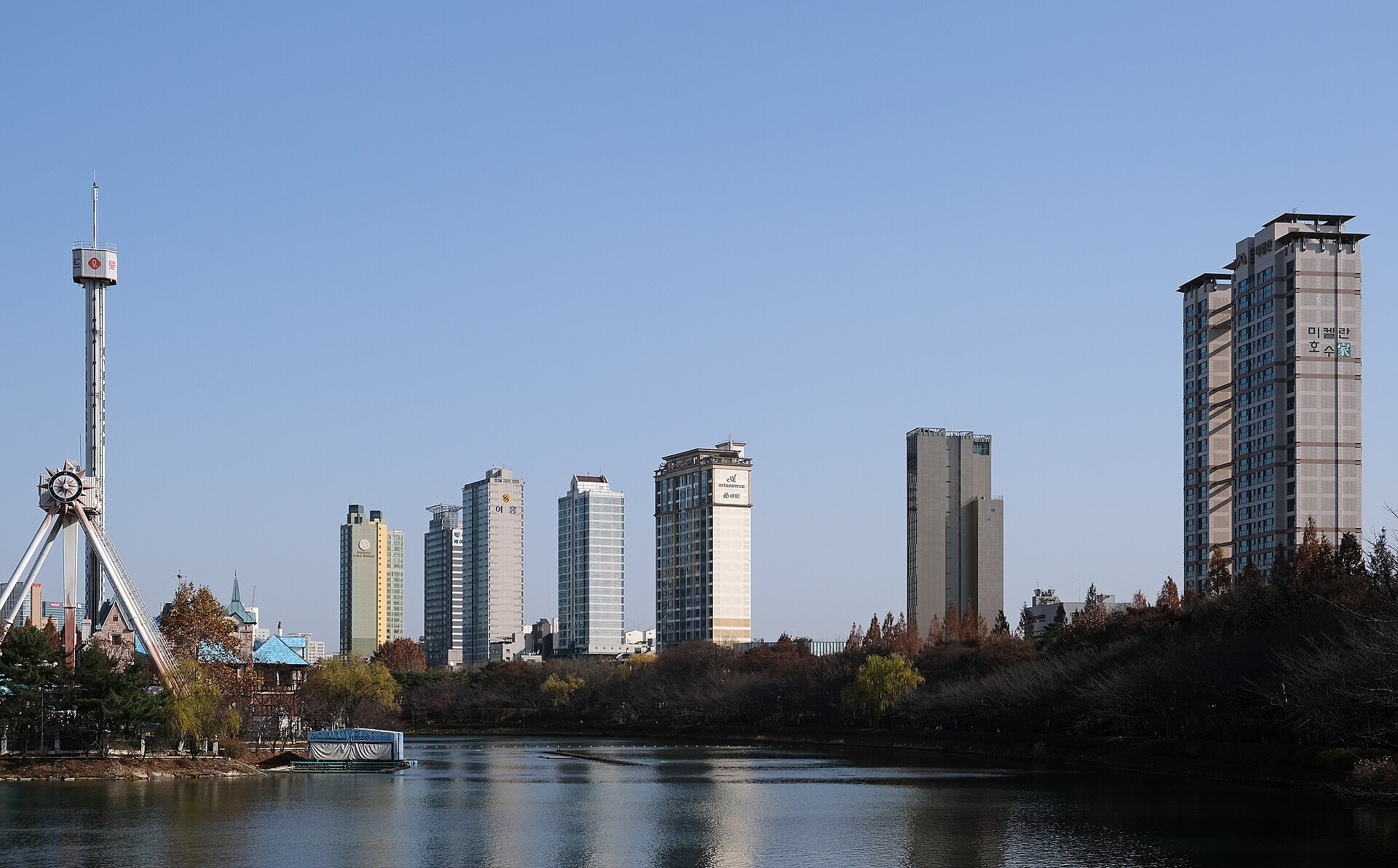
January in Seoul averages a low of −5.5°C and a high of 2.1°C, while August averages 22.9°C and 30.0°C with heavy rain, so what to wear depends almost entirely on the month. Pack a real winter coat, hat and gloves from December to February, light clothes and rain protection from June to September, and layers for everything between. Then adjust for how many hours you will spend outdoors.
Month by month
The figures are 1991–2020 averages supplied by the Korea Meteorological Administration (KMA) to the World Meteorological Organization. Lows and highs are in °C, checked on 7 November 2026. The clothing column is a practical reading of those numbers, and your own tolerance for cold counts too.
| Month | Low | High | Rain (mm) | Rain days | What to wear |
|---|---|---|---|---|---|
| January | −5.5 | 2.1 | 16.8 | 6.1 | Heavy coat, hat, gloves, warm shoes |
| February | −3.2 | 5.1 | 28.2 | 5.8 | Heavy coat, hat, gloves |
| March | 1.9 | 11.0 | 36.9 | 7.0 | Warm coat; do not pack for spring yet |
| April | 8.0 | 17.9 | 72.9 | 8.4 | Light jacket and a sweater for evenings |
| May | 13.5 | 23.6 | 103.6 | 8.6 | Shirt plus a thin layer; a folding umbrella |
| June | 18.7 | 27.6 | 129.5 | 9.9 | Light clothes; rain gear from late in the month |
| July | 22.3 | 29.0 | 414.4 | 16.3 | Light, quick-drying clothes, rain gear, shoes that cope with water |
| August | 22.9 | 30.0 | 348.2 | 14.7 | The same as July; plan cooling breaks |
| September | 17.7 | 26.2 | 141.5 | 9.1 | Summer clothes, a thin layer late in the month |
| October | 10.6 | 20.2 | 52.2 | 6.1 | Layers; a jacket for mornings and evenings |
| November | 3.5 | 11.9 | 51.1 | 8.8 | Warm jacket or light coat, plus a layer that comes off indoors |
| December | −3.4 | 4.2 | 22.6 | 7.8 | Heavy coat, hat, gloves |
I still find monthly averages useful as background, but let the forecast close to departure, and again on the day, make the final call. A decimal figure or an average count of rain days guarantees nothing about your afternoon.
How the year feels
Korea's seasons feel distinct to me. The cold can linger into March, when the end of winter can still feel chilly, and April feels more like spring. April and the milder parts of spring are enjoyable for me. The approach to summer brings a different kind of discomfort: humidity. Around October I begin thinking about chilly mornings and evenings again, and by December I prepare for winter.
Those are impressions and not a calendar, but the table bears them out. March's average low is still under 2°C, and by November the low has fallen to 3.5°C.
It is November as I write this, so here is what I am wearing: autumn clothes with long sleeves and an outer jacket over them, though not a padded coat. You can take the jacket off in the middle of the day, but in the morning and evening you really need it. The wind between tall buildings is another matter. Around Myeongdong, north of the river, those streets sit in shade, and at this time of year you need a thick jacket there. Without one it is just too cold.
The humid part of the year is what I would especially warn a visitor about. A pleasant-looking temperature does not describe how a long walk feels in damp heat. KMA's climate summary puts average humidity across the country at 78–79% in July and August, against 59–60% in March and April, and summer conditions can extend into September.
The rainy season
Korea's rainy season is called jangma (장마). KMA's averages have it reaching central Korea, where Seoul sits, around 25 June and lasting about 31 days. The rain totals show the jump: Seoul's July average of 414.4 mm is more than three times June's. Plan the outdoor parts of a summer trip with somewhere nearby to cool down or shelter.
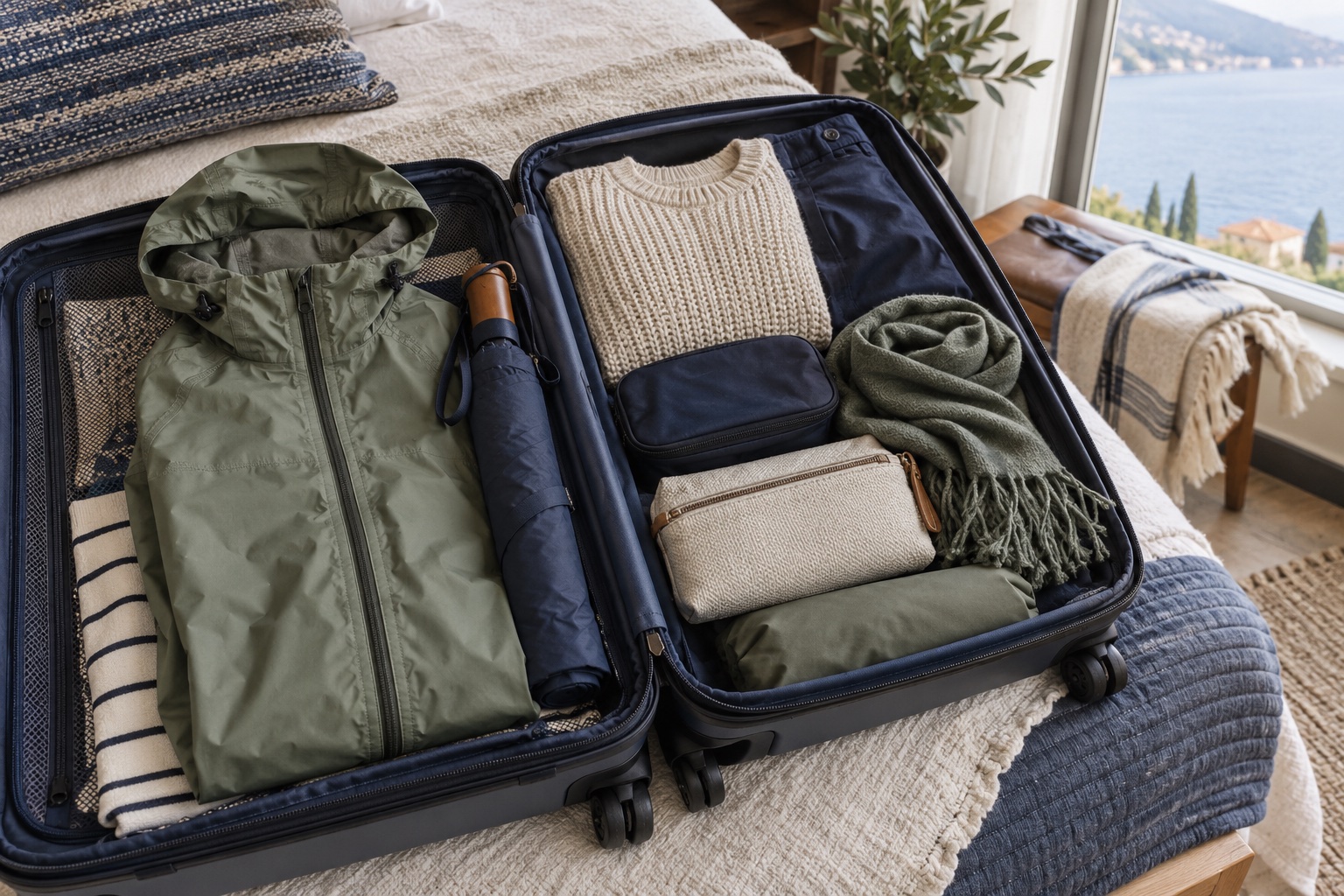
Bring rain protection you can actually carry and use. An umbrella suits an ordinary city shower, but strong wind or a heavy-rain warning changes the decision. In those conditions, move the activity indoors or postpone it. Korea also gets typhoons: KMA counts an average of 3.4 a year affecting the country, directly or indirectly.
Adjusting for the day you have planned
The distinction I find most useful is indoor versus outdoor travel. In Seoul, shopping, meals and buildings give you plenty of places to get inside, and buying another layer is usually possible. That is no reason to arrive unprepared, since finding the right shop, size and opening time while already cold or wet is a poor plan. But it does mean packing differently for a day of shops and museums than for hours in Olympic Park or a long outdoor excursion.
| The day ahead | What to prioritize |
|---|---|
| Mostly shops, meals and museums | A coat or jacket that opens easily, and comfortable walking shoes |
| Several hours in a park or palace grounds | The outdoor forecast, shelter, and enough warmth or cooling breaks |
| Warm afternoon followed by an evening walk | A layer for the return, not only the daytime high |
| Heavy rain, strong wind or a weather warning | A changed itinerary, not simply more equipment |
In winter, think about standing still as well. Waiting for transport or an outdoor admission feels colder than walking. A coat that works outside can also make every heated indoor stop uncomfortable, so choose one you can open or take off easily. If the forecast is severe, shorten the outdoor plan.
From around October, it is the morning and the evening that catch people, so carry one useful extra layer if your day ends with a lake walk or an outdoor event.
Shoes
A day described as "taking the subway" can contain a lot of walking, and I remind visitors about the stairs and the distance from the station to the final destination. Wear something already comfortable and do not test a new pair on the longest day.
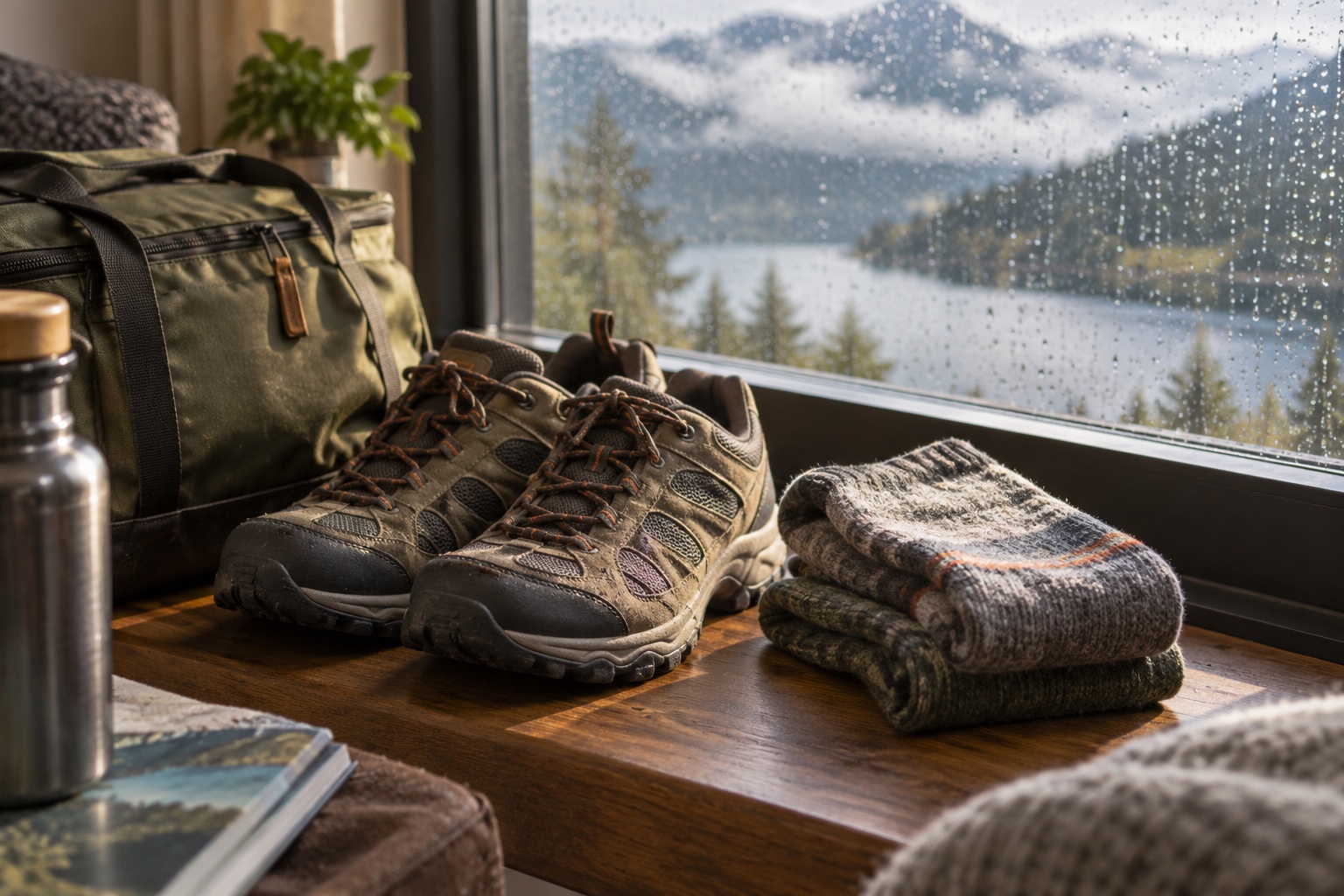
In wet or cold conditions, think about grip, drying and how long you will be outside, since waterproof shoes can still slip. If bags add difficulty, reduce the walking or take another form of transport.
Forecasts and air quality
I use the Korea Meteorological Administration for forecasts and warnings, and AirKorea for air quality. KMA's main site is in Korean, but it also has short-range forecasts and current severe weather alerts in English, covering heatwaves, cold waves, heavy rain, typhoons and Asian dust.
A clear-looking sky does not tell you everything about the air. AirKorea uses four index bands: Good (0–50), Moderate (51–100), Unhealthy (101–250) and Very Unhealthy (251–500). Check the place and date, the hours you expect to be outside, then the warnings and air quality, before you commit to a long outdoor plan. If you have individual health needs, follow the advice that applies to you.
A rainy day in Jamsil
In Jamsil I enjoy a lake walk with shopping and a meal, and rain just means keeping the indoor part. My rainy-day Jamsil plan has the prices and hours. The idea works for any wet day in Seoul: drop the exposed piece and keep the rest close together.