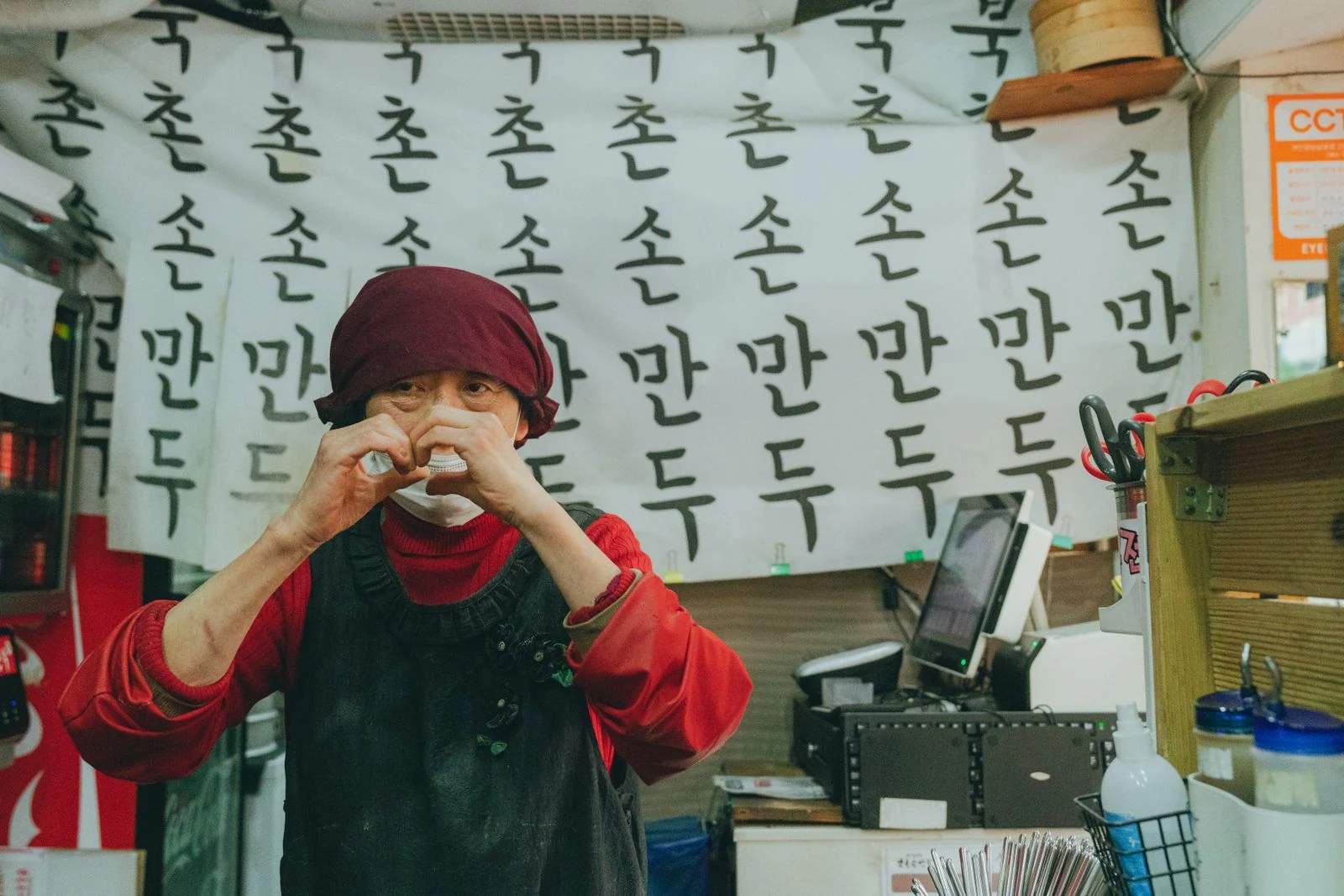
Explore the variety before choosing where to eat. These real photographs show dishes and dining contexts; they are not current menus or recommendations for the photographed businesses.
CHOOSE A MEAL, NOT JUST A PHOTO
What to order and how to enjoy it
Editorial photographs illustrate a food or setting. Hanilkwan photographs show its own advertised dishes. Neither guarantees the serving, ingredients or availability at another restaurant.
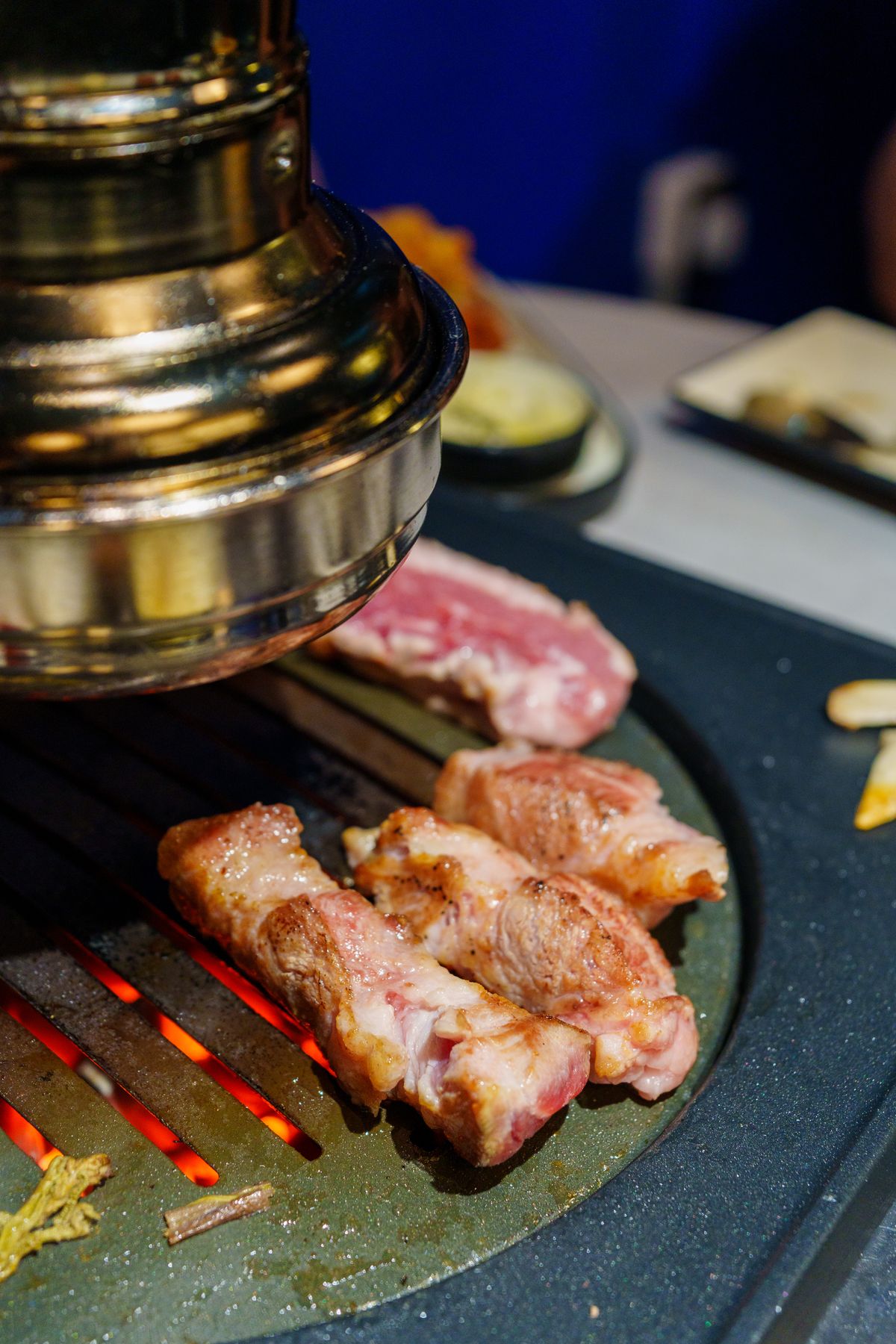
Korean barbecue
Choose a grill restaurant for a shared meal. Check minimum orders and whether staff cook the meat.
Main ingredients to ask about: Beef or pork, lettuce, garlic and sauces; marinades may include soy, wheat and sesame.
How to order and eat: Choose a cut and portion count before ordering; ask whether there is a minimum order. Let staff explain who cooks at the table. Wrap a cooked bite with lettuce rather than placing raw meat on a shared plate.
Restaurant or visitor starting point: Hanilkwan lists grilled sirloin and beef short ribs; these are beef examples, not a promise that every restaurant serves pork.
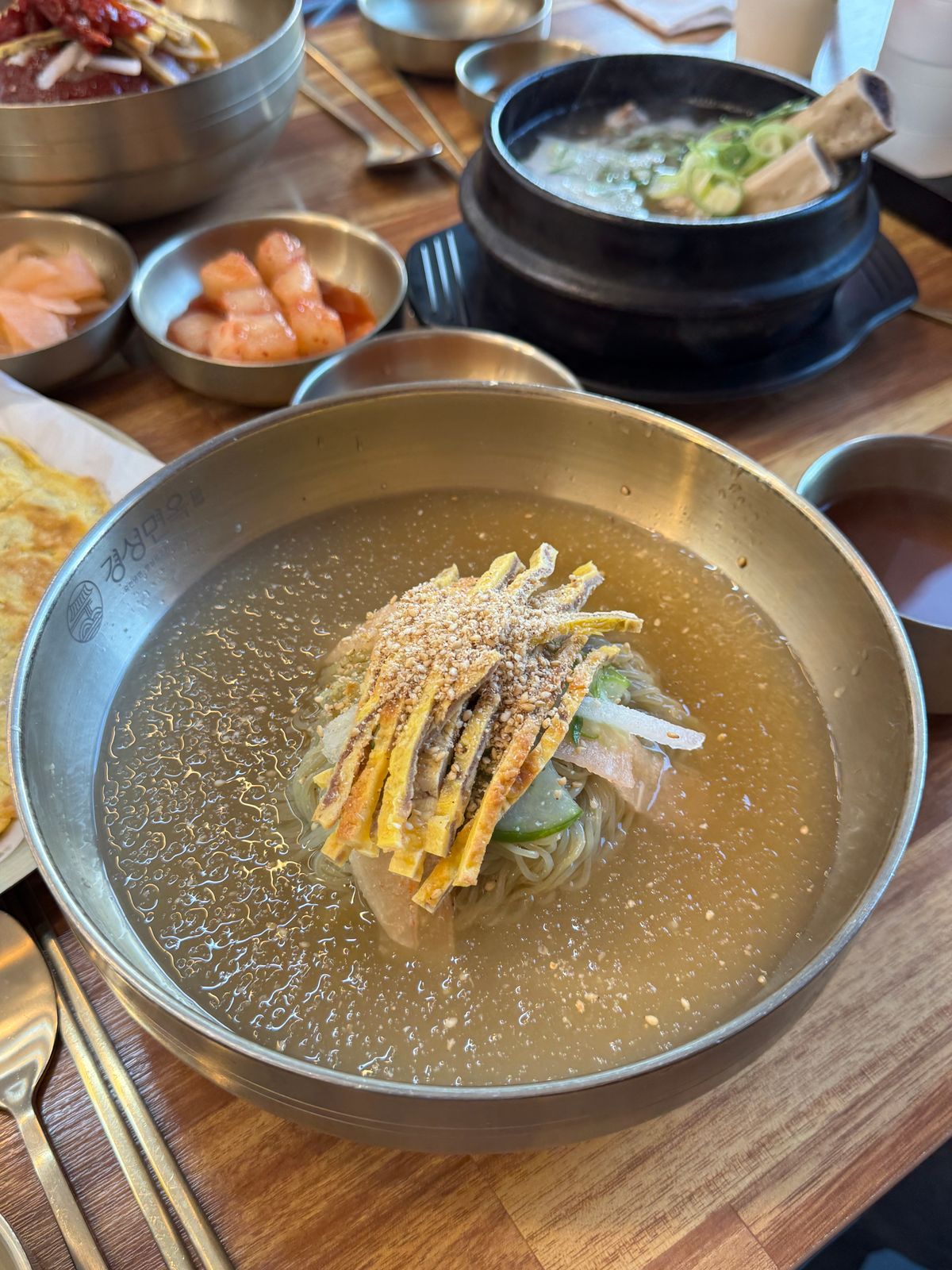
Main ingredients to ask about: Buckwheat or other starch noodles, chilled broth or spicy sauce; toppings and meat stocks vary.
How to order and eat: Choose broth-style or spicy mixed noodles. Add mustard and vinegar a little at a time if offered. Ask about broth and noodle ingredients before ordering, particularly when avoiding meat, wheat or sesame.
Restaurant or visitor starting point: Hanilkwan lists cold noodles in beef broth and spicy cold noodles. The two styles are distinct dishes.
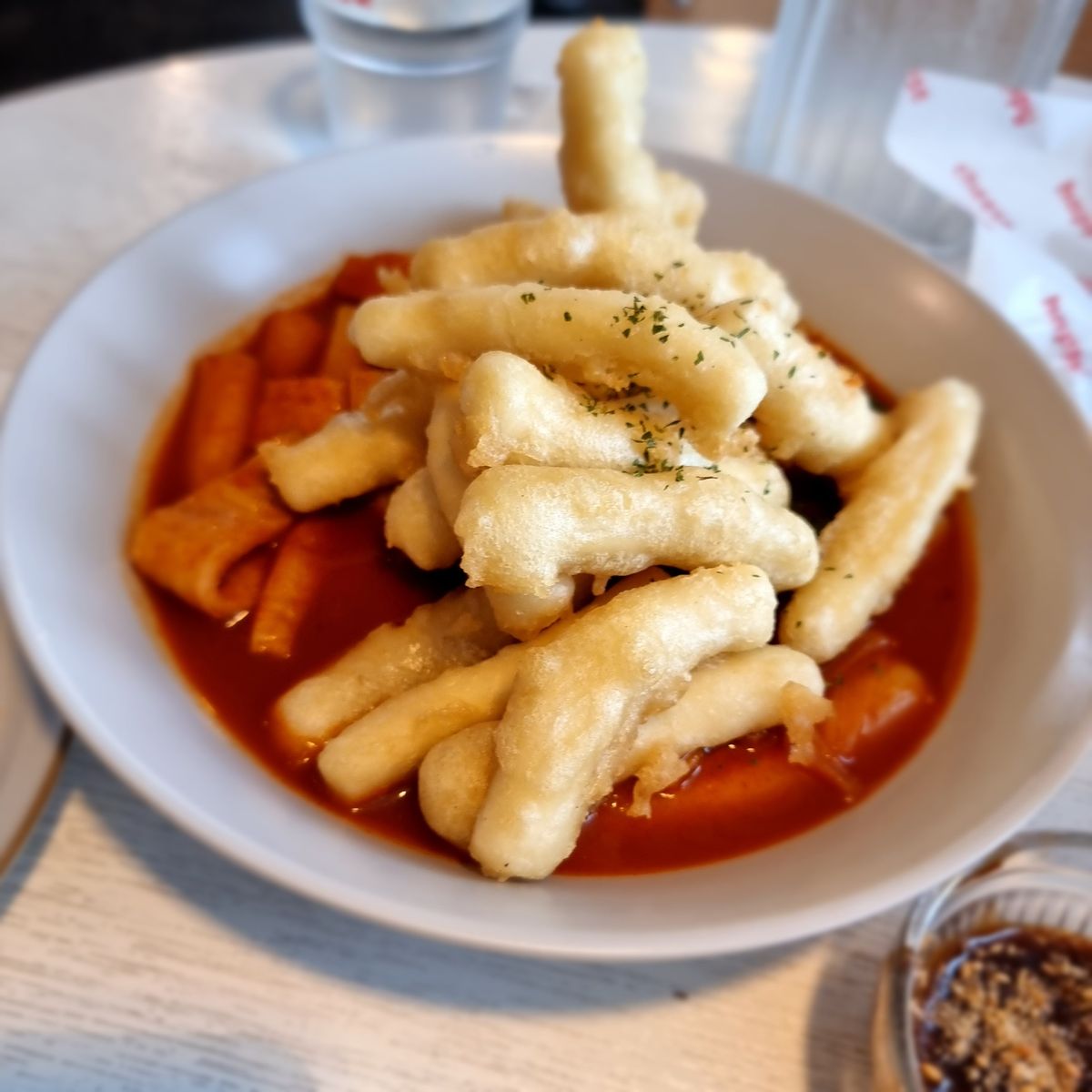
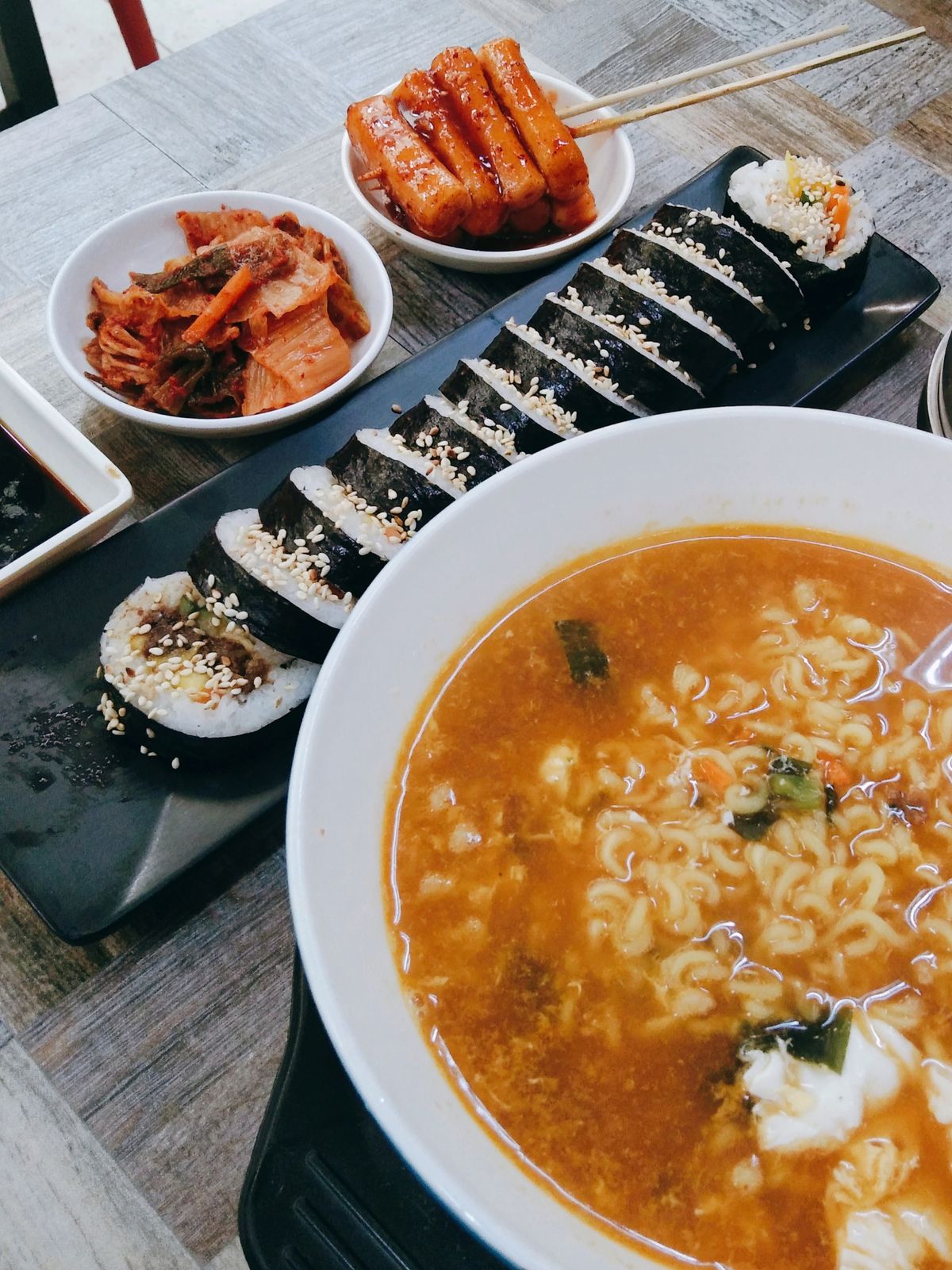
Main ingredients to ask about: Rice cakes in a chilli-based sauce; fish cakes, wheat, seafood stock and fried accompaniments may be present.
How to order and eat: Select the serving size and ask about spice before paying. Fried snacks may be ordered separately and dipped into the sauce. A rice-cake name alone does not establish gluten-free or vegan preparation.
Restaurant or visitor starting point: GIMGANE publishes an English snack menu; use the current branch menu to confirm tteokbokki, portions and availability.
Main ingredients to ask about: Rice and seaweed around fillings such as egg, vegetables, meat or fish cake.
How to order and eat: Choose a named filling rather than assuming all rolls are vegetarian. Sliced rolls are convenient for a short lunch; takeaway freshness and storage matter. Ask whether a soup or side is included.
Restaurant or visitor starting point: Compare GIMGANE’s English gimbap menu before choosing a local store; fillings differ by named roll.
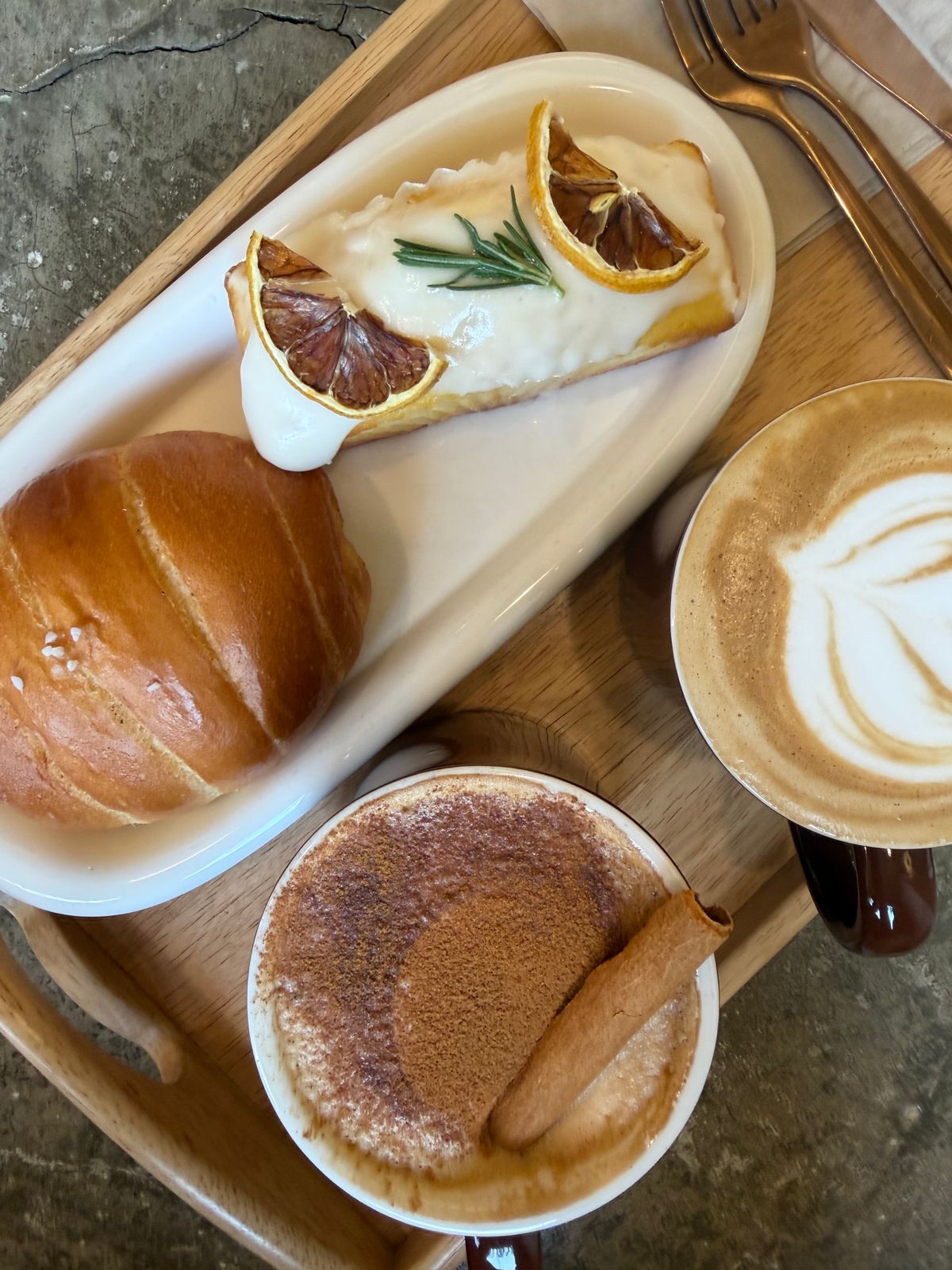
Main ingredients to ask about: Bread, pastries and coffee; dairy, egg, wheat and nuts are common.
How to order and eat: Check the pastry label and ask about shared equipment if allergies matter. Decide on eat-in or takeaway before paying. Avoid letting a café stop replace a proper meal on a long walking day.
Restaurant or visitor starting point: Hi Seoul Youth Hostel’s official facilities page identifies its bakery and café. This is a venue example, not an allergy-safe recommendation.
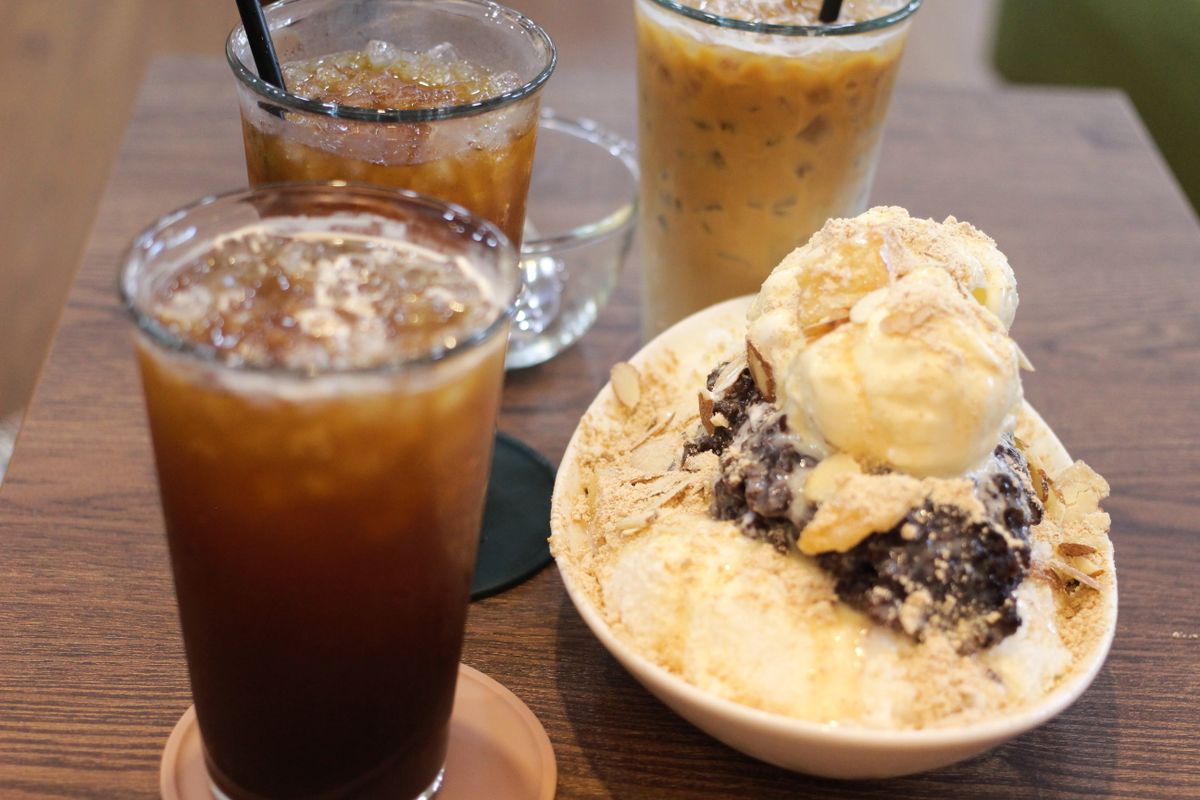
Main ingredients to ask about: Shaved ice with toppings that can include milk, bean powder, fruit, rice cakes or nuts.
How to order and eat: Check the bowl size before ordering: a dessert may be intended for sharing. Ask about milk in the ice itself as well as toppings. Take a spoonful of ice and topping together; adding toppings can change the allergen profile.
Restaurant or visitor starting point: Sulbing’s Injeolmi Sulbing page identifies milk shaved ice, soybean powder, almonds and rice cakes.
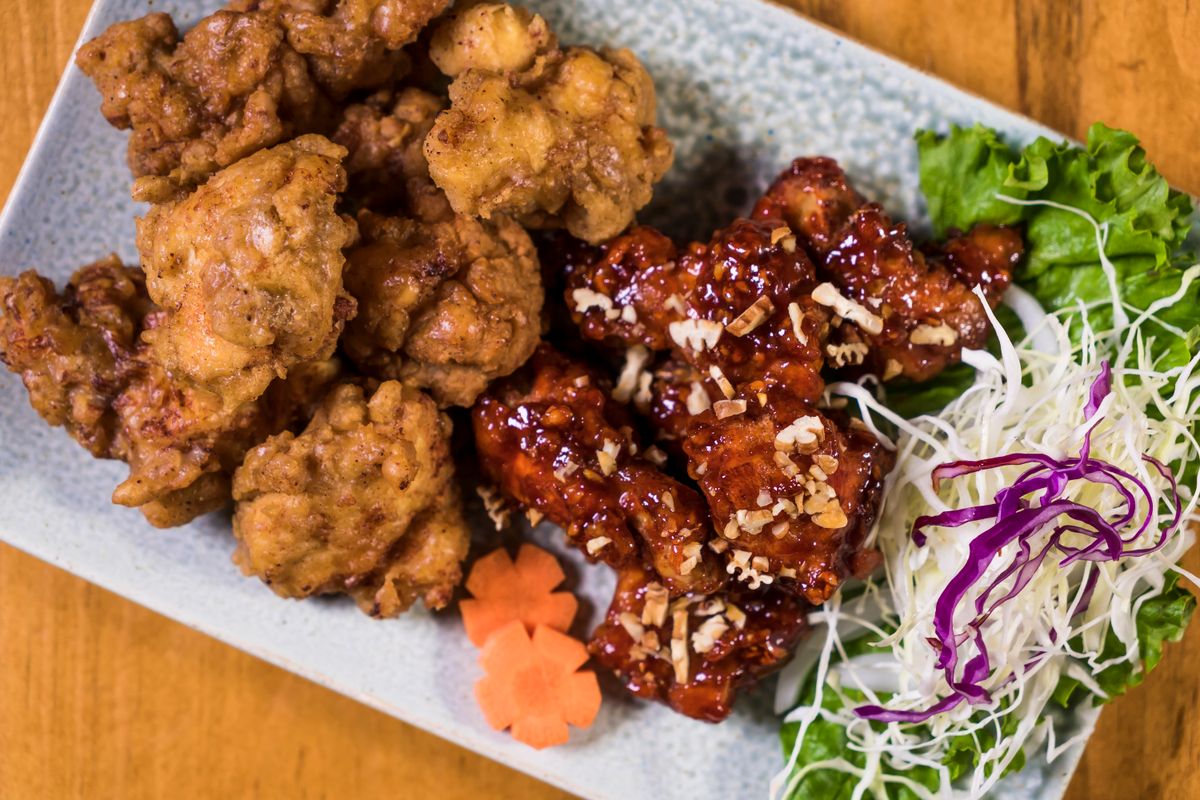
Main ingredients to ask about: Chicken with plain or seasoned coating; sauces and frying methods vary.
How to order and eat: Choose boneless or bone-in, then choose the sauce and quantity. Sweet sauce is not the same as non-allergenic sauce. Check pickup time, delivery area and the final delivery fee before paying.
Restaurant or visitor starting point: Kyochon’s official Honey menu identifies chicken, soy, garlic and honey among its ingredients. Use its store finder for the branch serving your address.
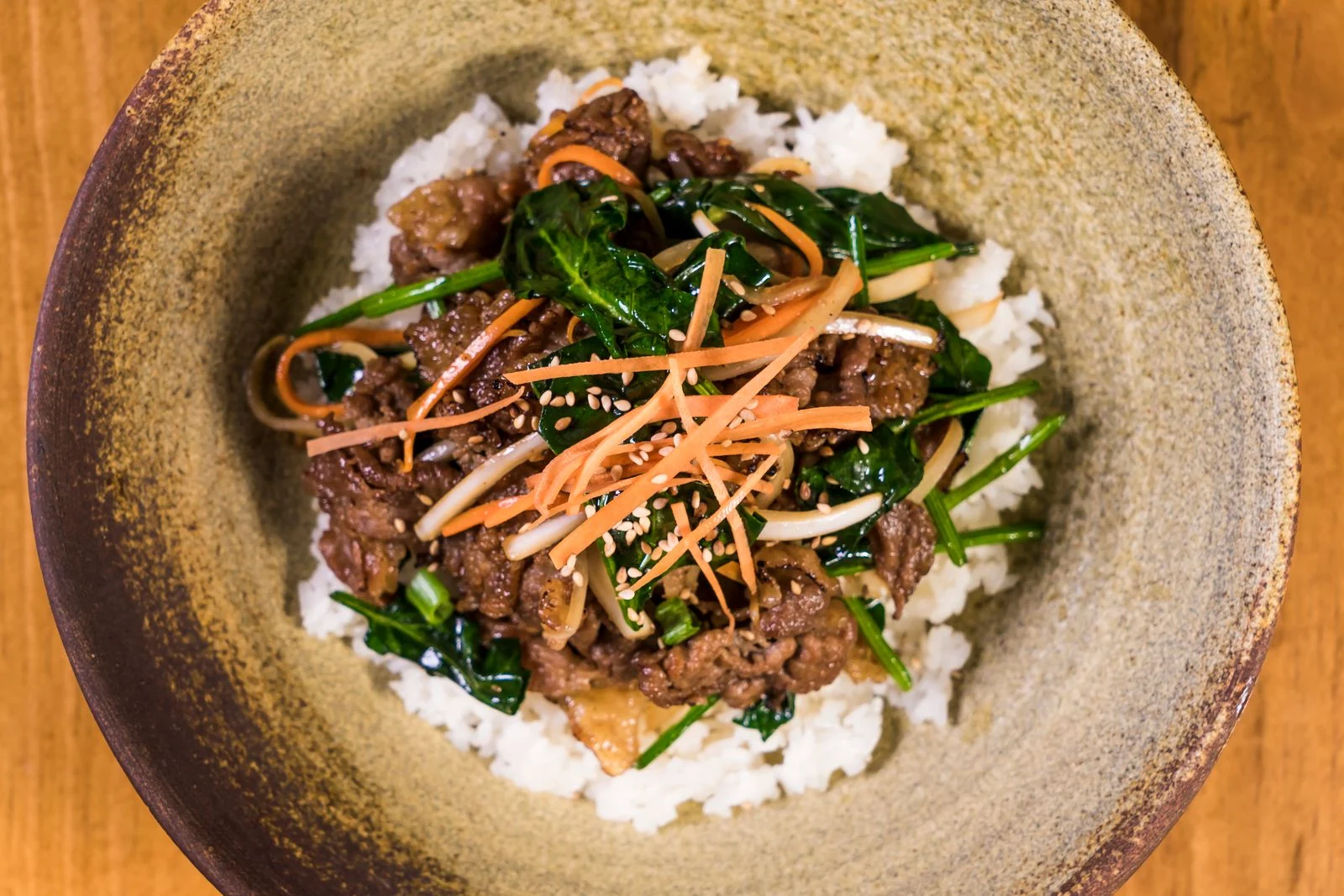
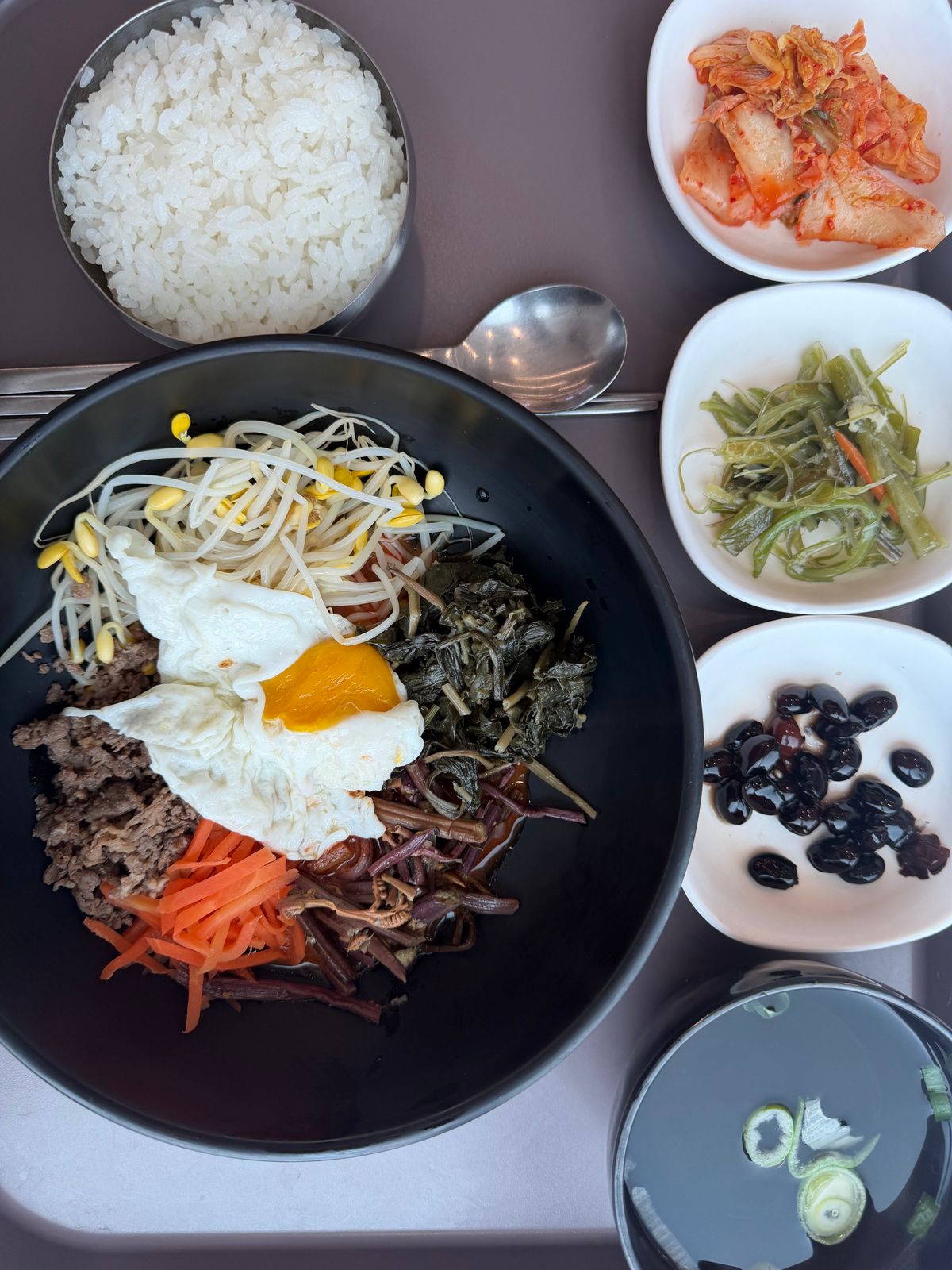
Main ingredients to ask about: Rice with vegetables and often beef or egg; accompanying side dishes vary.
How to order and eat: Mix the rice with the toppings and add chilli paste gradually. Ask whether egg or meat can be omitted before ordering, and whether the stock or seasoning still contains animal ingredients. Side dishes are not automatically unlimited.
Restaurant or visitor starting point: Hanilkwan’s goldongban is a specific beef-and-vegetable bibimbap example, rather than a universal vegetarian bowl.
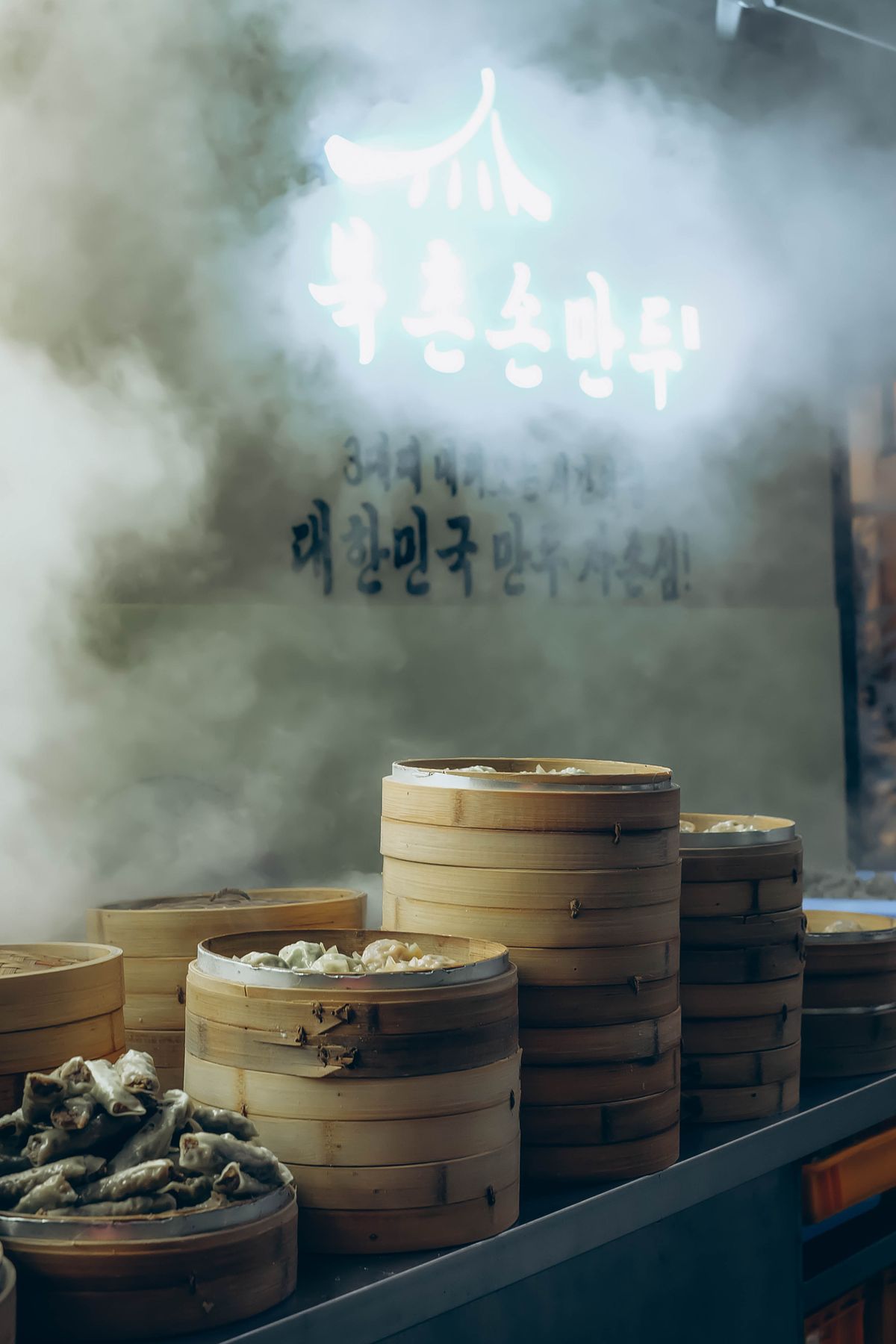
Main ingredients to ask about: Stall menus can include dumplings, griddled snacks, noodles and skewers.
How to order and eat: Walk through first, choose a stall with a clear menu and visible price, then order one item at a time. Check whether there is seating and where food may be eaten. Opening late is not guaranteed for every stall.
Restaurant or visitor starting point: Use the market’s visitor information and individual stall menu, not a general food photograph, to decide what is available.
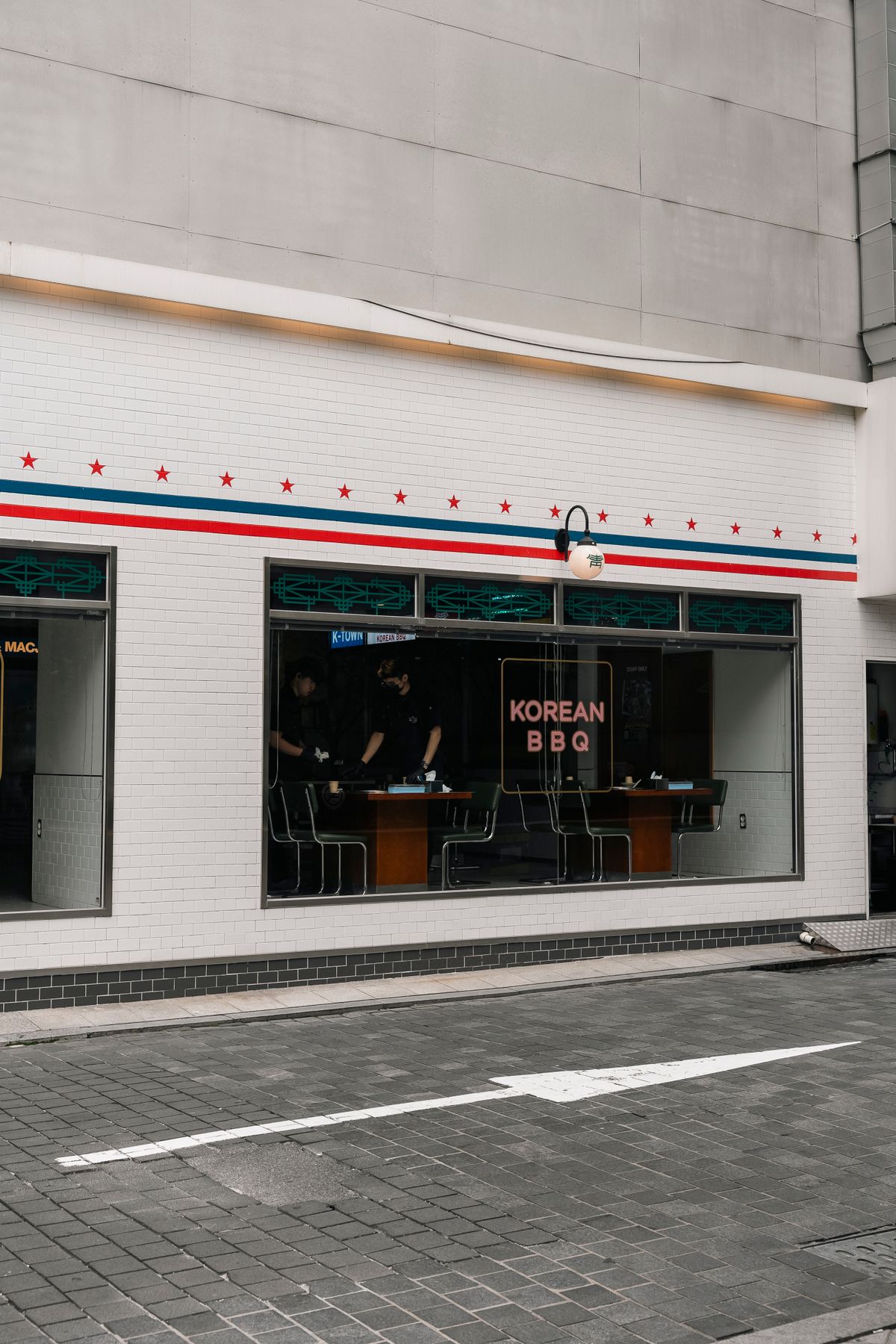
Main ingredients to ask about: A restaurant sign or exterior does not tell you the dish, portion or ingredients.
How to order and eat: Read the actual menu, identify the branch and check opening hours before making a detour. For a group, confirm seating, minimum orders and payment arrangements. A reservation confirmation is separate from a map pin.
Restaurant or visitor starting point: Hanilkwan’s Apgujeong location page gives a real branch at 14, Apgujeong-ro 38-gil, Gangnam-gu; confirm the branch menu directly.
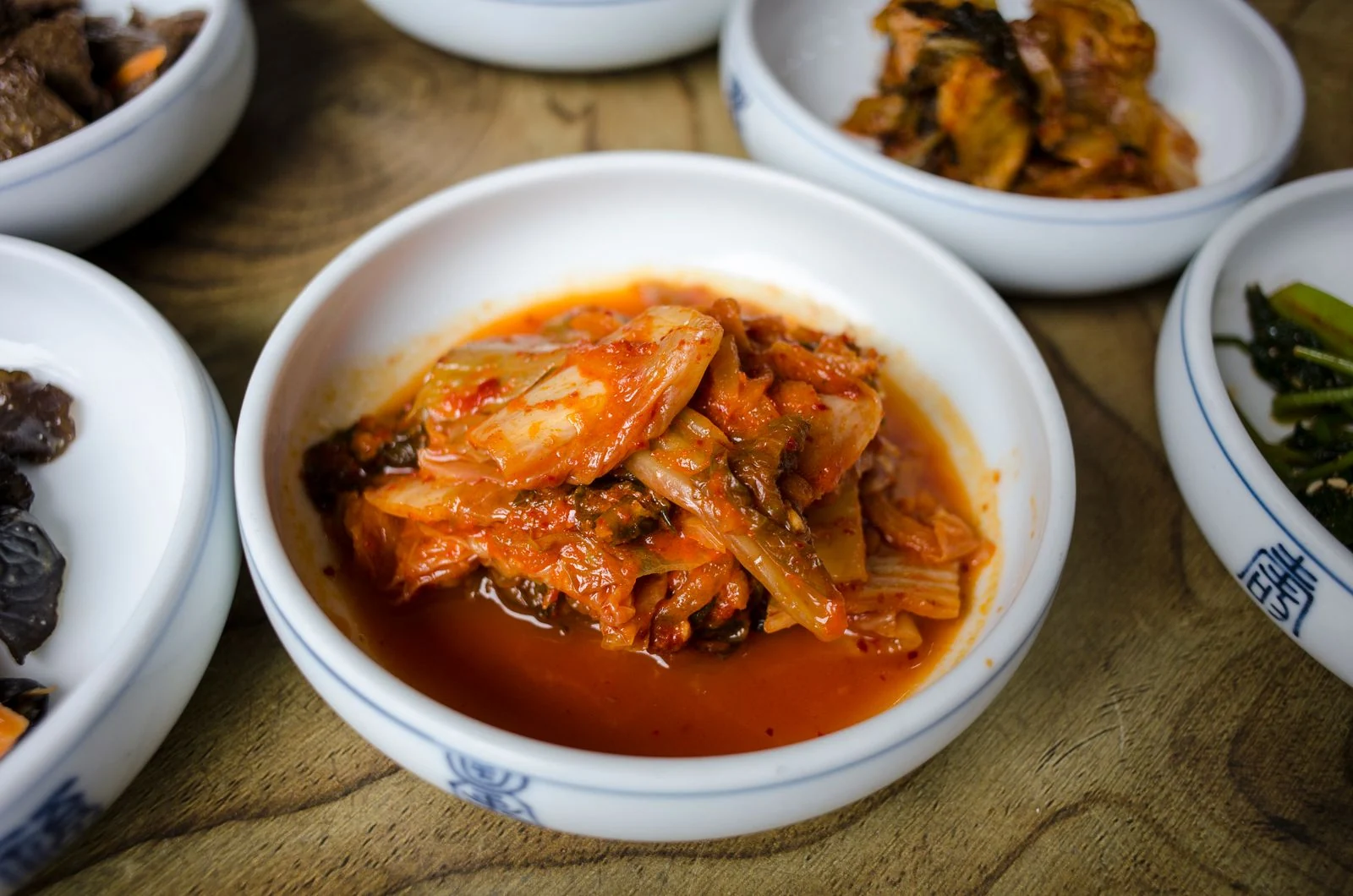
Main ingredients to ask about: Fermented vegetables may contain fish sauce, salted seafood or other seasonings.
How to order and eat: Taste a small amount first and ask which side dishes are included. Do not assume a vegetable appearance establishes vegan or allergy-safe preparation. Ask staff before taking extra servings or packing leftovers.
Restaurant or visitor starting point: See the restaurant’s own menu and ask about the preparation served that day; the representative photo is not an ingredient guarantee.
Main ingredients to ask about: Market food ranges from quick snacks to full meals, with ingredients shown differently at each stall.
How to order and eat: Start with a small order, check the price per piece or plate and carry a payment method accepted by that seller. Avoid assuming all markets use the same opening hours. Leave space in the itinerary for queues and a place to sit.
Restaurant or visitor starting point: The Seoul tourism shopping directory helps identify the market; choose a specific stall only after checking its displayed menu.
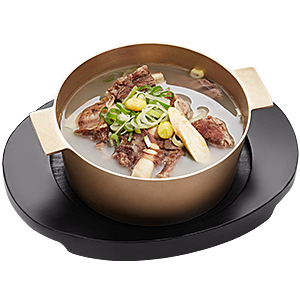
Main ingredients to ask about: Beef short ribs in a hot broth; seasonings and accompaniments vary.
How to order and eat: Use the spoon for broth and chopsticks for meat; remove bones carefully. Rice may arrive separately. Ask about the broth and included side dishes rather than assuming the clear appearance means allergen-free.
Restaurant or visitor starting point: Hanilkwan’s representative menu includes a beef short-rib soup.
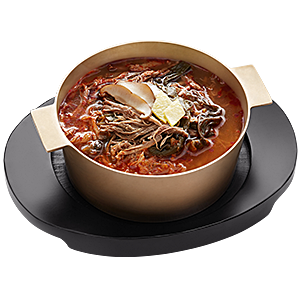
Main ingredients to ask about: Beef and vegetables in a chilli-seasoned broth.
How to order and eat: Choose this when a substantial hot meal suits the day, not when you need a guaranteed mild dish. Ask about spice, broth and portion size. Let the hot soup cool before eating and keep rice separate or add it gradually.
Restaurant or visitor starting point: Hanilkwan lists a spicy beef and leek soup on its representative menu.
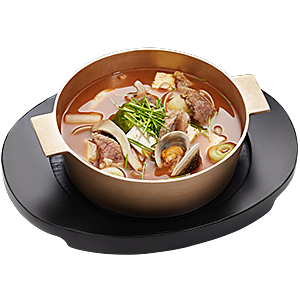
Main ingredients to ask about: Fermented soybean paste with vegetables; the featured restaurant’s version includes beef.
How to order and eat: Eat the stew with rice and side dishes. Soybean paste can contain wheat, and broth can contain seafood or meat. A vegetable-rich appearance does not establish vegetarian preparation.
Restaurant or visitor starting point: Hanilkwan’s menu explicitly identifies beef and vegetables in its soybean-paste stew.
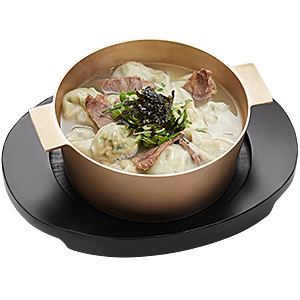
Main ingredients to ask about: Dumplings with wrappers and fillings in soup; wheat and meat are common.
How to order and eat: Break open a dumpling carefully because the filling can be hot. Ask about filling and broth separately. Soup and pan-fried dumplings are different menu items, so select the preparation you want.
Restaurant or visitor starting point: Hanilkwan lists dumpling soup and a separate pan-fried dumpling dish.
Main ingredients to ask about: A savoury pancake with seafood and scallions; batter may contain wheat and egg.
How to order and eat: Share by cutting into manageable pieces. Check the seafood mix and dipping sauce before ordering. A pancake is a useful shared side, but the portion and number of diners should be agreed at the table.
Restaurant or visitor starting point: Hanilkwan’s representative menu lists a seafood pancake.
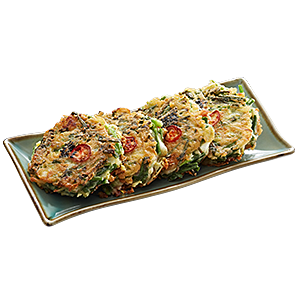
Main ingredients to ask about: Mung-bean batter with additions that may include vegetables and meat.
How to order and eat: Eat freshly cooked pieces while warm and check the dipping sauce. Ask about the exact filling: a mung-bean base does not mean the dish is vegan, gluten-free or free of cross-contact.
Restaurant or visitor starting point: Hanilkwan lists a mung-bean pancake; compare the current restaurant menu before ordering.
Hanilkwan Apgujeong main branch: 14, Apgujeong-ro 38-gil, Gangnam-gu, Seoul. Its official location page lists telephone +82-2-732-3735. Ask the branch about today’s menu, opening times, reservations and dietary needs before travelling. The representative website menu is not a booking or a guarantee of availability.
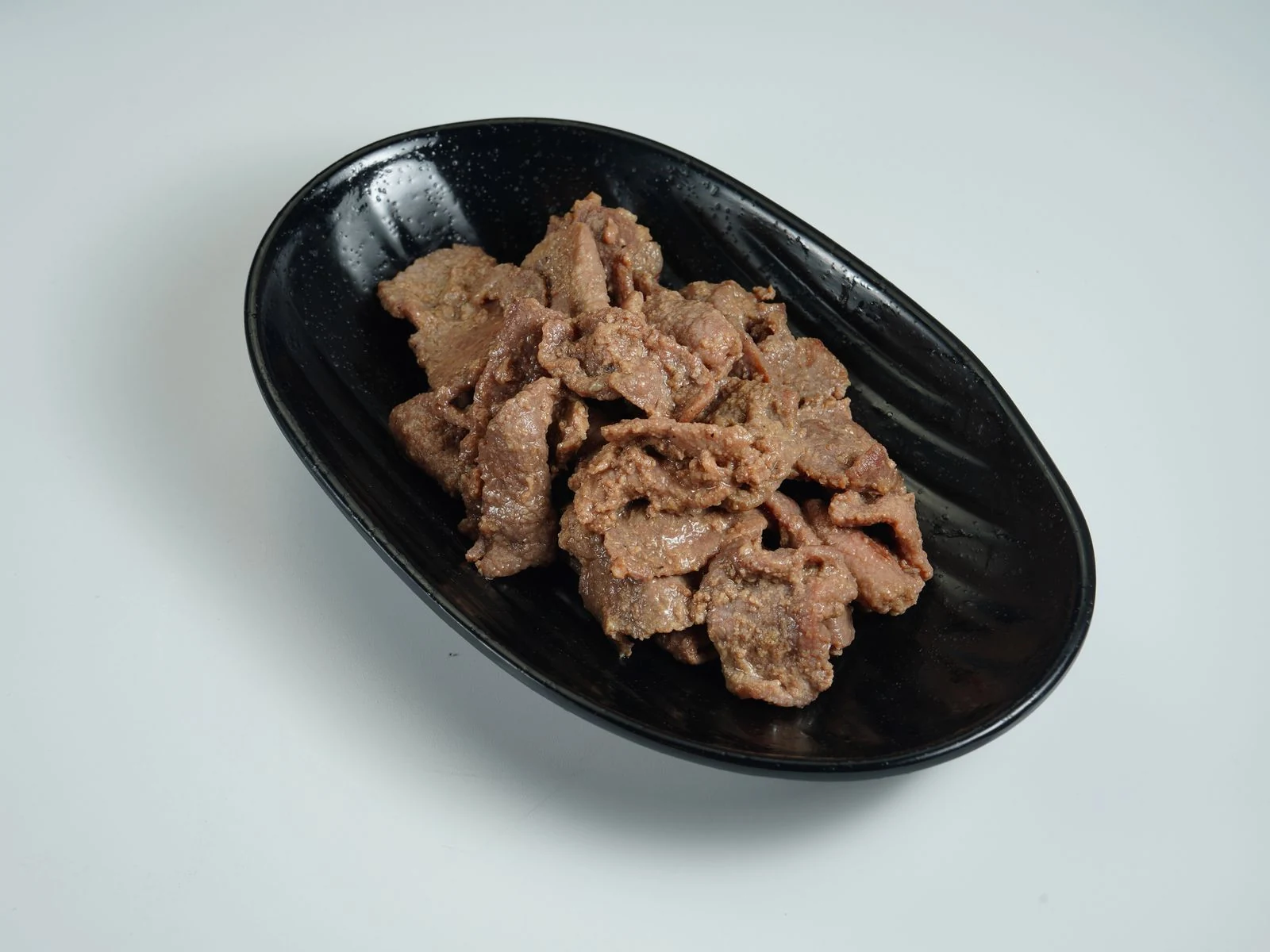
Marinated beef served in a dark bowl. Ingredients and preparation vary by restaurant.
INGREDIENTS BEFORE ASSUMPTIONS
What the picture cannot tell you.
Visiting Seoul with a food allergy? Prepare precise questions on ingredients and shared equipment, and know why a dish's look or name can't tell you what's in it.
Allergy needs, dietary preferences and a dish’s appearance are not interchangeable. The linked guide focuses on the questions to prepare, not on certifying restaurants.
Visiting Seoul with a food allergy? Prepare precise questions on ingredients and shared equipment, and know why a dish's look or name can't tell you what's in it.
Turn this guide into a structured Korea trip request.
Request proposals from future Korean travel partners through a Korean Folio connector workflow. Contact the team to discuss your request before making arrangements.