
Do You Need a K-ETA for an Incheon Airport Transit?
If you stay in Incheon Airport’s international transit area and connect to another international flight without passing Korean immigration, you generally do not need a K-ETA just for that airside connection. If you must enter Korea to collect and recheck your bags, change airports, or leave the airport, you are no longer in that simple case: your nationality, visa status and current entry rules decide what you need.
I would confirm the itinerary with the airline and check the official immigration guidance before travel.
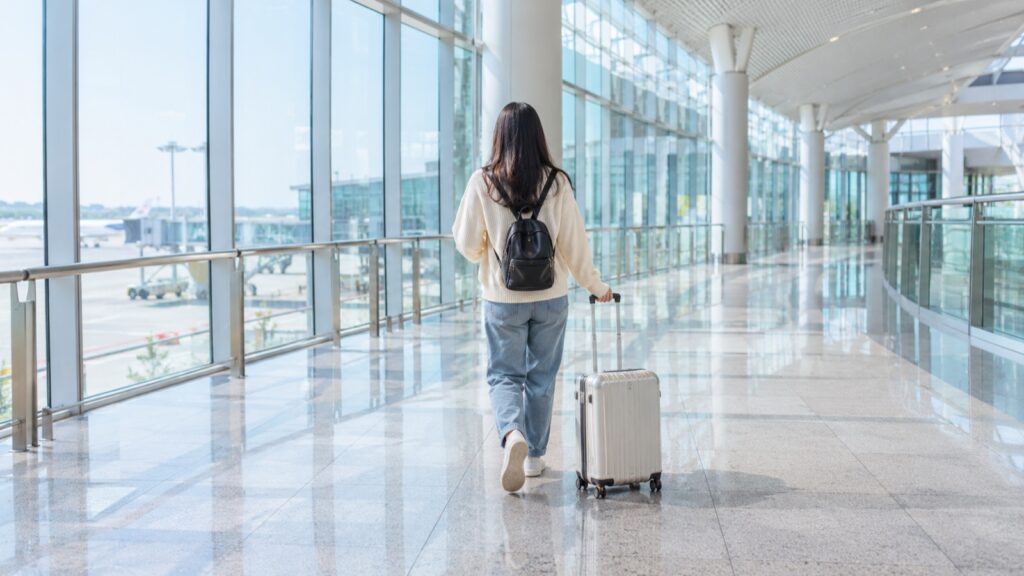
The useful dividing line is immigration
At Incheon, many international connections follow the transfer route: stay inside the secure transit area, pass transfer screening if required, and go to the next gate. The airport publishes transfer information and advises passengers to check their exact terminal and route. Whether your bags are tagged through and whether you receive the onward boarding pass can depend on the airlines and tickets involved.
The Ministry of Justice says transfer or transit passengers who are not entering Korea do not need a K-ETA. That is about a passenger who remains in transit, not a blanket exemption for everyone with a connecting flight.
Most of the confused messages I get from visiting friends are not about the rule itself but about separate tickets. They booked two cheap flights, assumed the bag would follow them, and only learned at the check-in desk that it would not. That single detail decides which side of immigration they end up on.
When you may need to enter Korea
- Your bags are not checked through and you must collect them landside, then check in again.
- Your itinerary requires you to leave the transit area or change to another airport.
- You want to visit Seoul or stay at a landside hotel during the connection.
- Your airline tells you that immigration clearance is needed to complete the connection.
The Ministry’s K-ETA FAQ specifically says that a transfer passenger who must enter Korea to recheck luggage needs to meet the applicable entry requirements. That might mean a K-ETA for an eligible visa-waiver traveller or a visa, depending on the traveller’s nationality and circumstances. A K-ETA is not itself a visa, and approval does not guarantee admission.
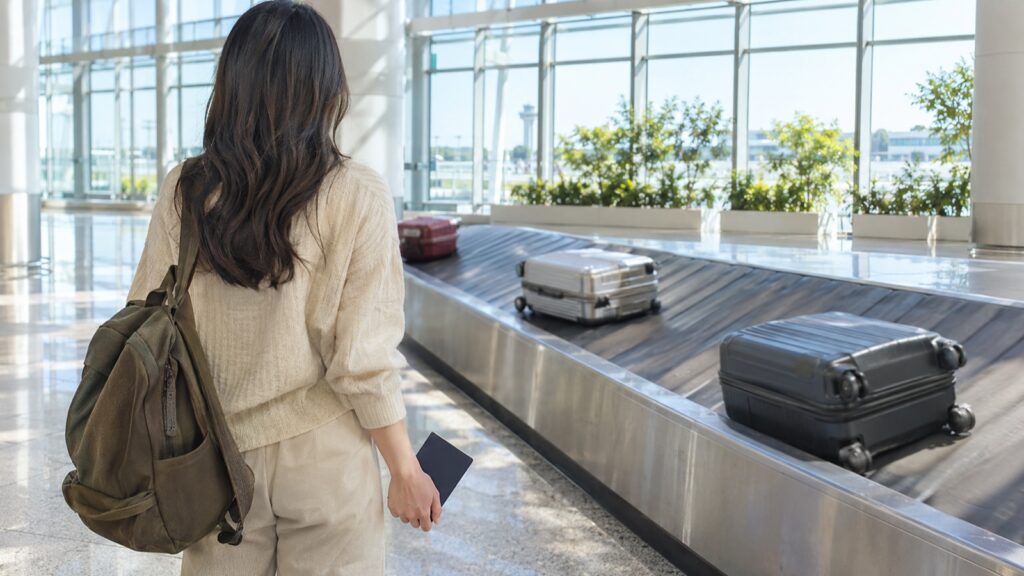
Check your exact itinerary before booking
| Connection situation | What the official guidance indicates | What to confirm |
|---|---|---|
| International to international, staying airside | No K-ETA is needed solely for transit if you are not entering Korea | Airline confirms bags are through-checked and onward boarding pass arrangements |
| Collect bags and check in again | You enter Korea; the ordinary entry requirements apply | Nationality, visa or K-ETA eligibility, and whether your entry plan is permitted |
| Leave the airport during a long connection | You pass immigration and enter Korea | Visa/K-ETA requirements and time to return for the onward flight |
| Change between Incheon and another airport | You generally need to enter Korea and travel landside | Entry permission, transfer time and airport-to-airport transport |
Ask the airline these questions
Give the airline both flight numbers, ticket details and your baggage plan. Ask: “Will my checked bag be tagged to my final destination? Can I get the second boarding pass before departure? Must I clear Korean immigration at Incheon?” If you booked separate tickets, do not assume the airlines will transfer your bag for you.
Then check the official K-ETA site or Korean consular guidance for your passport and travel date. Temporary exemptions and nationality-specific rules can change. The official K-ETA site announced a temporary exemption extension through 31 December 2026 for currently exempt nationalities; do not assume that notice covers a trip after that date.
Before anyone I know books a tight Incheon connection, I suggest they screenshot the airline’s answer about the bag and keep it with the booking. If a desk agent says something different on the day, a written answer from the airline is far easier to work with than memory.
Separate tickets need more time
A connection built from two separate tickets usually means collecting your bag, entering Korea and checking in again with the second airline. Allow time for immigration, the baggage belt, the walk back to the departure check-in counters, check-in itself and departure security. Check-in counters close before departure, and a missed connection on a separate ticket may not be covered by either airline, so read both sets of conditions.
For how early to be back at the counter, see our guide to arriving at Incheon for an international flight.
For an airside connection
Follow the airport’s transfer signs and check whether your next terminal requires a shuttle train or another security screening. Incheon lists transfer guide desks in both terminals, and the airport’s transfer guide notes that actual terminals can differ because of codeshare and airline arrangements. Use the terminal shown for your own flight.
If you are considering a transit tour, that is different from simply remaining airside: tour participants clear immigration, so entry eligibility applies. Check the airport’s programme requirements and your own admission status before making plans.
For more airport planning, see our guides to a Seoul visit during an Incheon layover, transferring between Incheon and Gimpo and K-ETA versus the e-Arrival Card.
Pages behind this advice
Checked 18 November 2026. Entry rules, temporary exemptions and airline procedures can change; recheck before departure.