
Seoul Food Budget: How I Would Plan Each Day
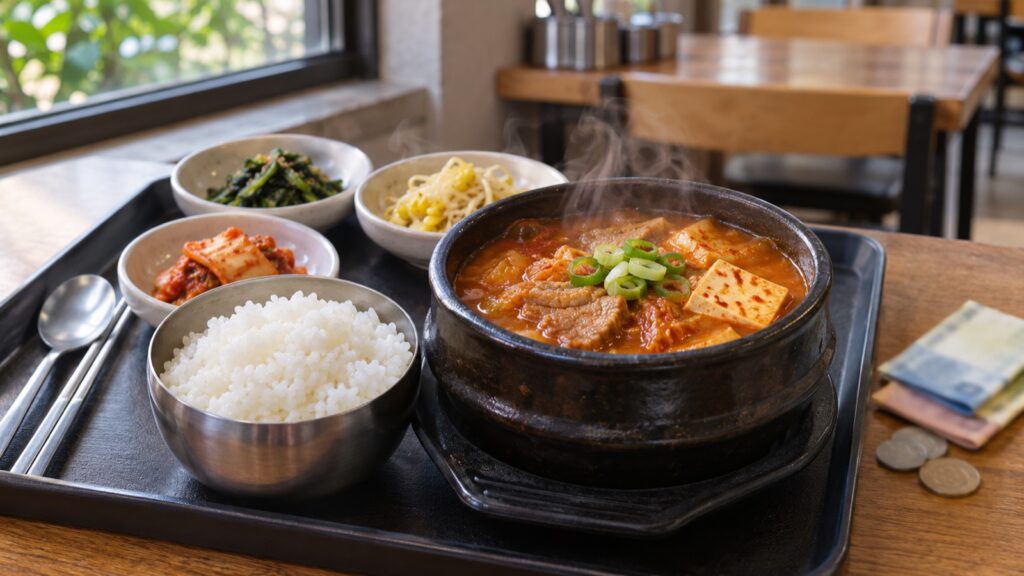
A realistic starting point is 35,000 to 45,000 won per adult per day, covering three ordinary meals and a small reserve. That is my planning figure, not a citywide minimum, and it leaves out hotel buffets, alcohol and premium dining. The rest of this page shows how it is built, so you can swap in the food you really want.
Seoul meal prices, official and rounded
The left-hand column below is the official September 2026 Seoul average, the latest shown on the government’s Chamgagyeok price page as of 7 November 2026. The figures are provisional. The right-hand column is what I allow for each dish.
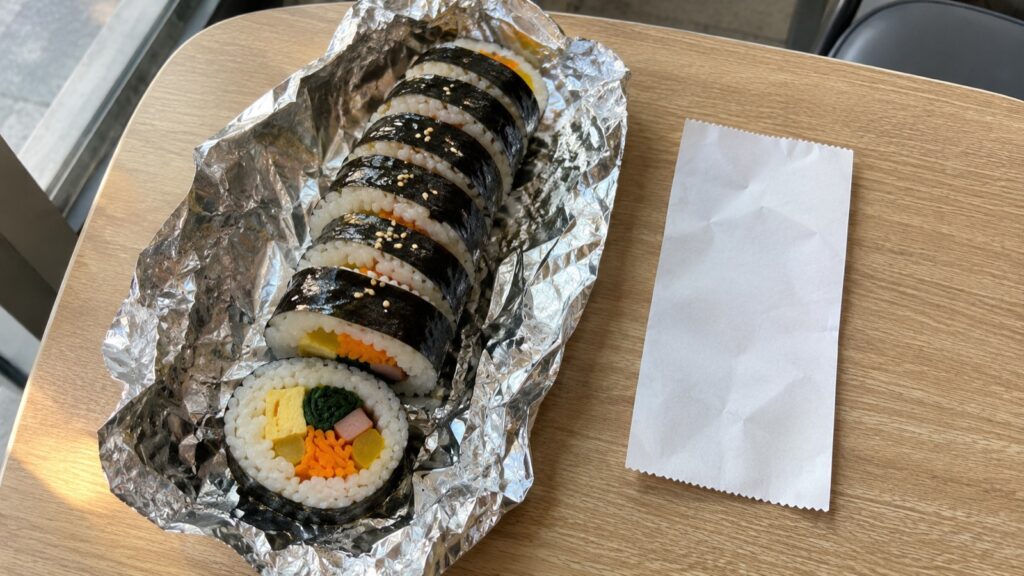
| Dish | Seoul average | My allowance |
|---|---|---|
| Gimbap, one roll | 3,923 won | 4,000 won |
| Jjajangmyeon | 7,808 won | 8,000 won |
| Kimchi-stew set meal | 8,846 won | 10,000 won |
| Kalguksu | 10,038 won | 11,000 won |
| Bibimbap | 12,000 won | 12,000 won |
| Naengmyeon | 12,692 won | 13,000 won |
| Samgyetang | 18,269 won | 19,000 won |
| Grilled pork belly, per 200 g | 21,321 won | 22,000 won |
I have paid around this price level when eating in Korea. These are rounded planning figures, and individual restaurants and portions differ. A meat portion is not the price of a whole dinner, either, so add the rice, drinks and any minimum order to the pork belly.
Bulgogi, which foreign visitors often eat, is not on the official list. In my experience one portion usually costs 15,000 to 20,000 won, and mine is usually about 20,000 won. Treat it like the pork belly: the portion is only part of the dinner.
I do not need every meal to be the cheapest, and I do not think everyone should order my favourite food. My priority is to leave enough room in the budget to try different dishes without worrying about every small addition, and that includes at least one meal cooked right at your table.
Three sample days
For a lighter day, take a gimbap roll, a kimchi-stew set and kalguksu: 4,000 + 10,000 + 11,000 = 25,000 won. Add 10,000 won as a reserve for a drink, a snack or a larger breakfast, and you have 35,000 won. That reserve is my own choice and not a surveyed café price. If one roll is not enough for your breakfast, add food and let the figure rise.
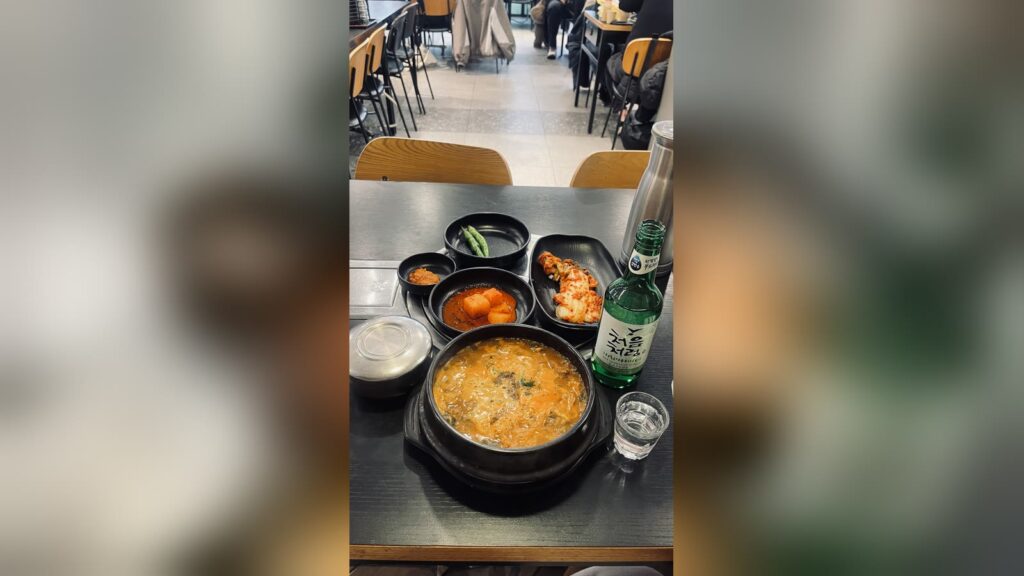
For more variety, take gimbap, bibimbap and samgyetang: 4,000 + 12,000 + 19,000 = 35,000 won, or 45,000 won with the same reserve. This is how I make room for a different dish without calling it overspending.
To include a meal cooked at your table, take gimbap, a kimchi-stew set and bulgogi: 4,000 + 10,000 + 20,000 = 34,000 won, or 44,000 won with the same reserve. The 20,000 won is my own bulgogi figure for the portion, so rice and drinks can add to it.
Two adults following the first two days spend 50,000 or 70,000 won on the meals before the reserve. Do not halve that because you might share. First find out whether the restaurant allows a shared order and whether both of you will be satisfied. Do not apply the adult figures to a child either, without thinking about appetite and portion size.
Breakfast changes the sum
If breakfast is included in your room rate, remove that meal, because an included breakfast is not an extra cash expense. Read your specific rate. If it costs extra, compare the actual charge with nearby menus and the convenience of eating before you leave. I have explained elsewhere why I do not consider hotel breakfast essential when I want to experience Korean food.
Check what is open near your accommodation at the hour you need to leave, too, since the breakfast you want may not be ready before an early departure. For a family or an early train, paying for an easier morning can be worthwhile. On a slower day you might prefer a local breakfast.
Menu price versus real cost
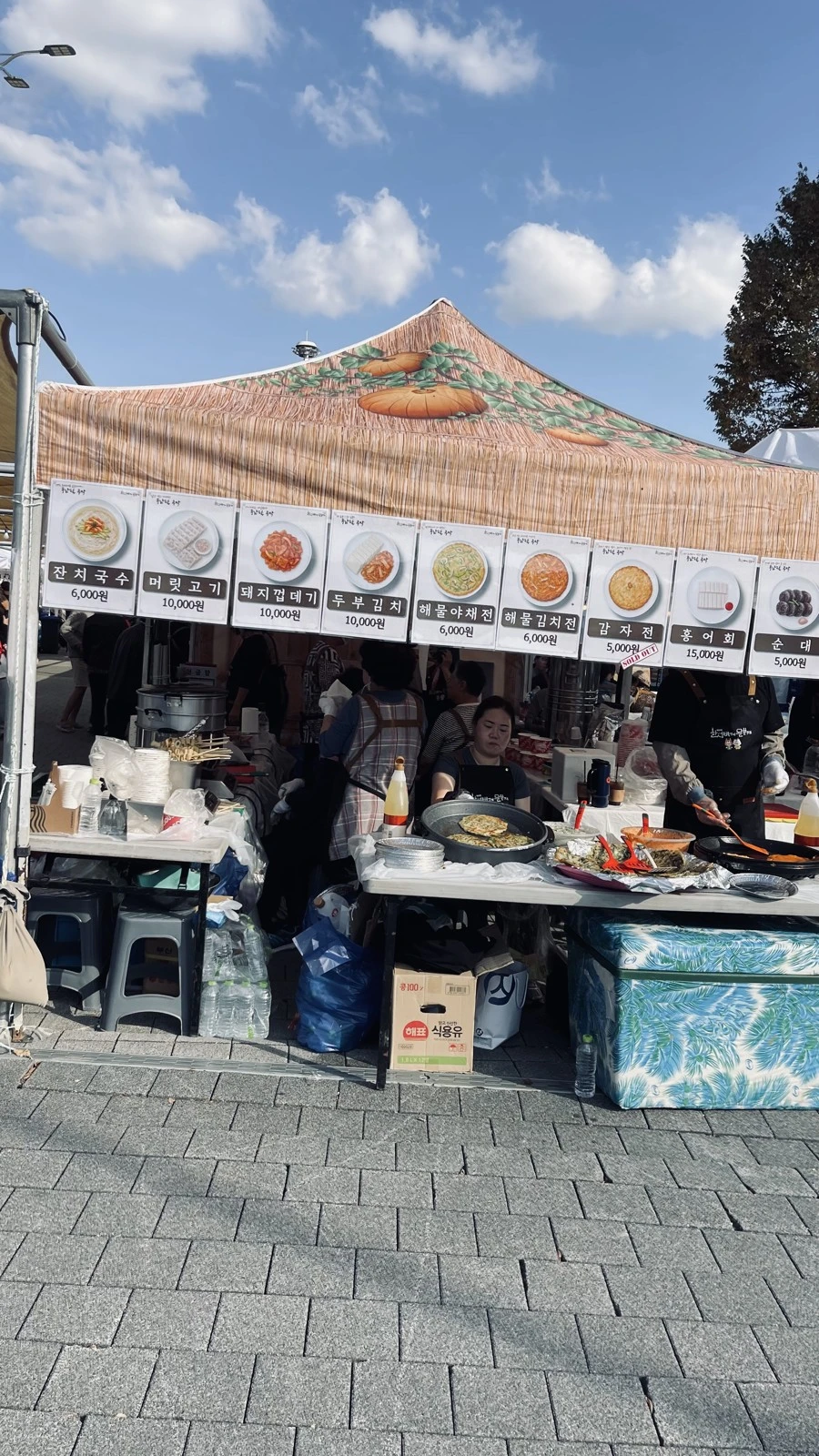
Before you use a menu price in the sum, check what it buys. Is it one person’s meal, a shared dish, or a price that requires more than one serving? Use the expected total order, including rice and drinks, not the first number you see. A menu with clear pictures makes this much easier. Side dishes are the pleasant exception, free at most restaurants, though some charge for refills.

A dish designed for sharing can change the cost considerably when one person has to buy the minimum order, so solo travellers should check for a suitable portion. Two people sharing can divide the bill by two only after including the likely additions.
In a group, agree how shared dishes and drinks will be paid for before ordering. The goal is not to turn every meal into bookkeeping. It is to keep the budget honest when people eat and drink different amounts.
Ten days, worked out
Use one row per day, listing the meals you need to buy, any planned café or snack stops, and a small reserve. A late arrival may need only dinner, and an early departure only breakfast, so count the real meals and do not simply multiply ten full days.
| Days | Limit I set for this example | Total |
|---|---|---|
| 8 full days | 40,000 won | 320,000 won |
| 2 partial days | 20,000 won | 40,000 won |
| Whole trip | 360,000 won |
Those limits only illustrate the sum, so replace them with the meals you intend to choose. If the total does not fit your priorities, change a specific choice: fewer café stops, a different breakfast arrangement, or one special dinner instead of several. Lowering the number alone leaves the same plan just as expensive.
After the first day, compare what you spent with the plan. If you chose an extra meal or a dessert on purpose, decide whether to repeat it. If the difference came from portion sizes or overlooked additions, correct the remaining days. An early adjustment is more use than finding out near departure that the plan never matched your habits.
Cash for the meals that need it
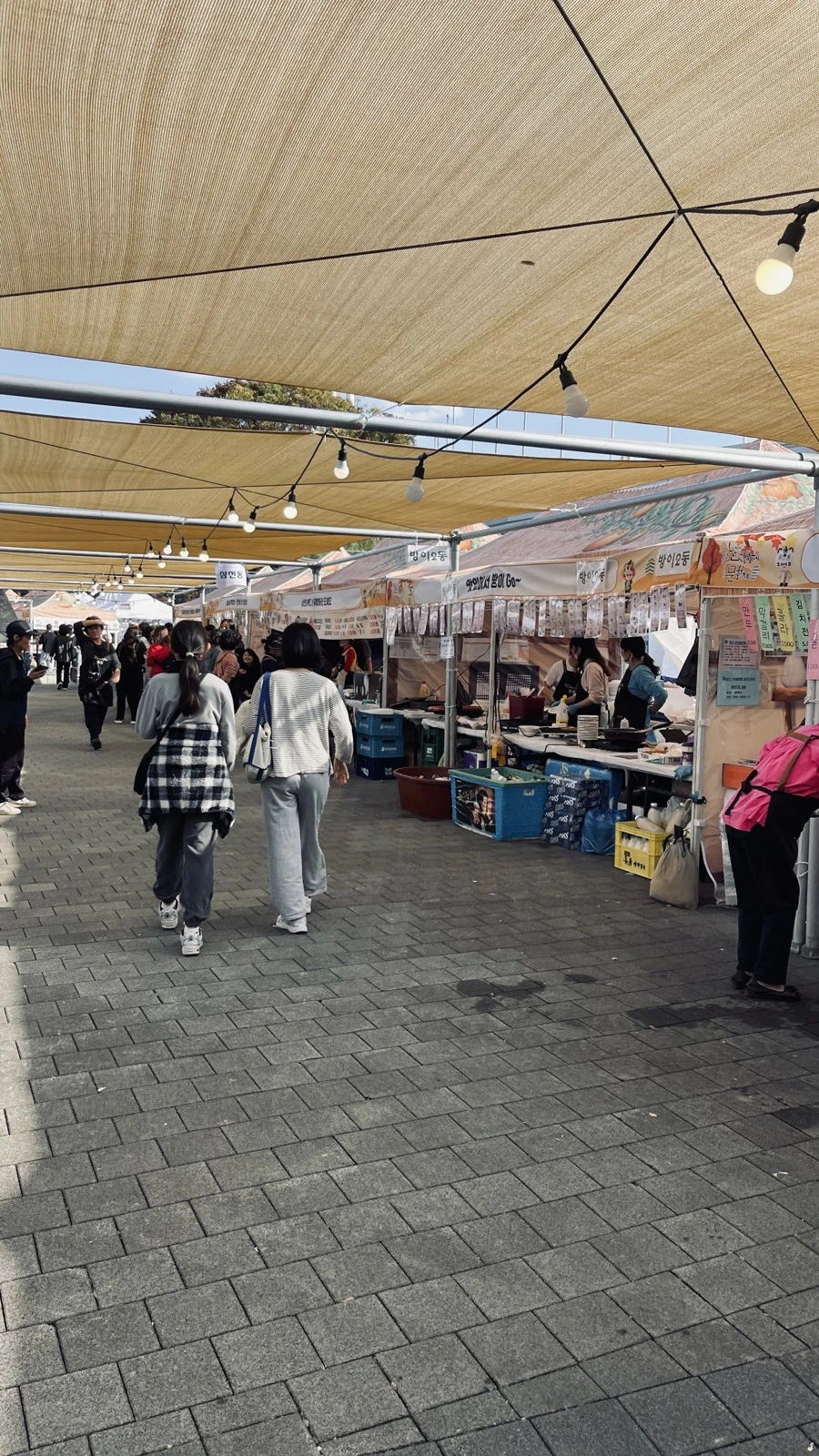
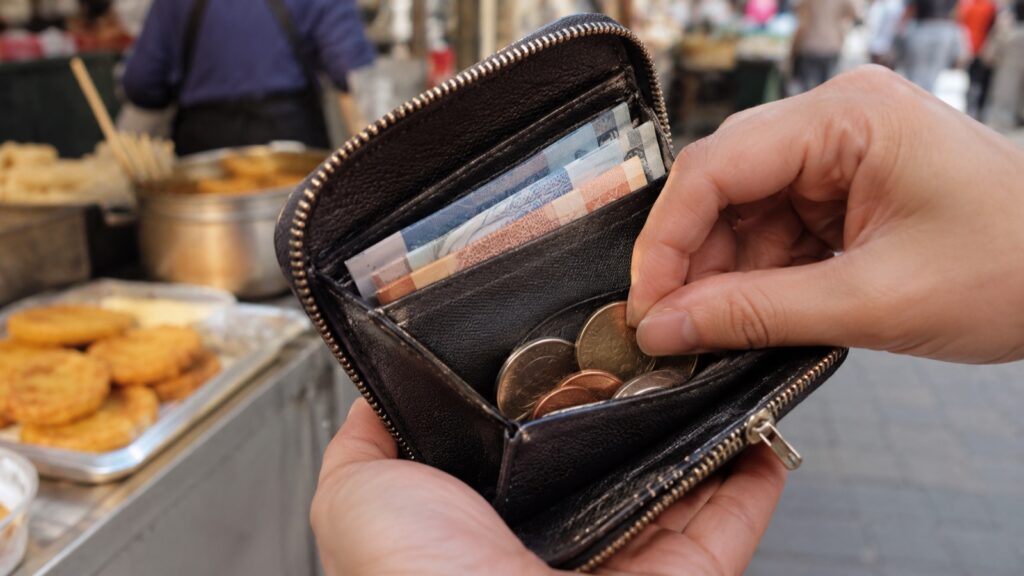
The Korea Tourism Organization says most stores accept major credit cards, while some businesses such as traditional markets and street shops may only accept cash. So work out which meals are likely to need won, keep a modest backup and ask at each stall before ordering. There is no need to exchange your whole food budget: decide your cash needs separately from your total spending, and keep a backup payment method.
Spend more on a meal you really want, and save on one that matters less to you. Variety and a comfortable day are better goals than chasing the lowest possible total.
Price sources
- Korea Consumer Agency: September 2026 regional dining prices
- Korea Tourism Organization: shopping and payment
- Korea Tourism Organization: currency and cards
Checked 7 November 2026.