Culture & experiences
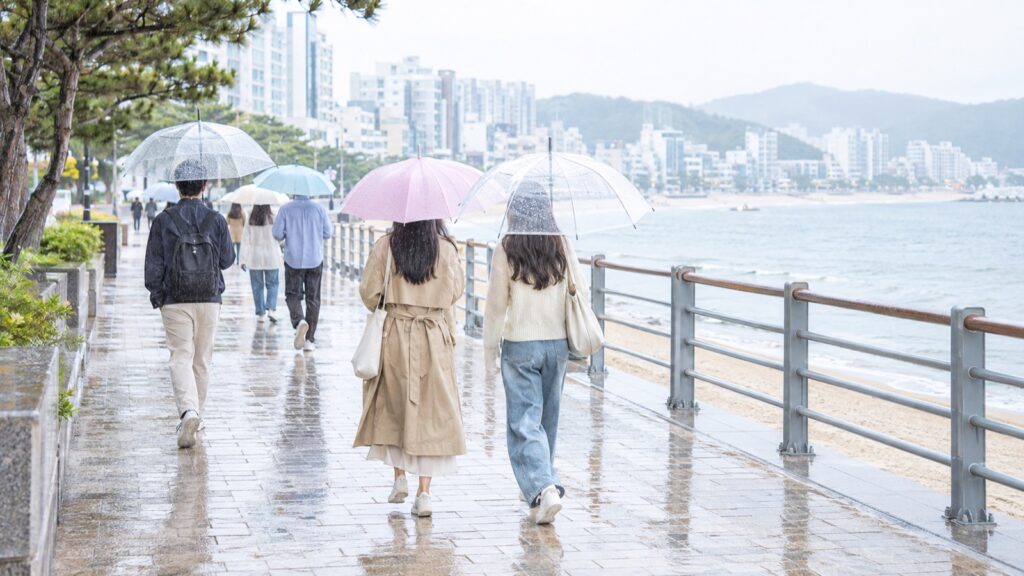
Rain in Busan: A Day Plan When the Beach Is Off
On a wet day in Busan, pick one indoor place and check the weekday: the Busan Museum and Museum of Movies close on Mondays, SEA LIFE does not list a closed day.
Practical Korea, clearly explained
Practical, clearly sourced travel guides and answers for visitors planning a trip to Korea.
Find your answer ↓Start with the question closest to your trip. Landing soon? Read the airport guides first, because the route depends on where you sleep. Still choosing a hotel? Read the neighbourhood guide. Filling up a day? Read the itinerary guide before you add another stop. Guides are listed newest first.
Read next: Incheon Airport to Seoul · Where to Stay in Seoul for First-Time Visitors: Myeongdong, Hongdae, Insadong, Gangnam and More · Is My Seoul Itinerary Too Packed? Group Stops Before Adding More
75 travel guides
No matching answer. Try a shorter word or choose All categories.
On a wet day in Busan, pick one indoor place and check the weekday: the Busan Museum and Museum of Movies close on Mondays, SEA LIFE does not list a closed day.
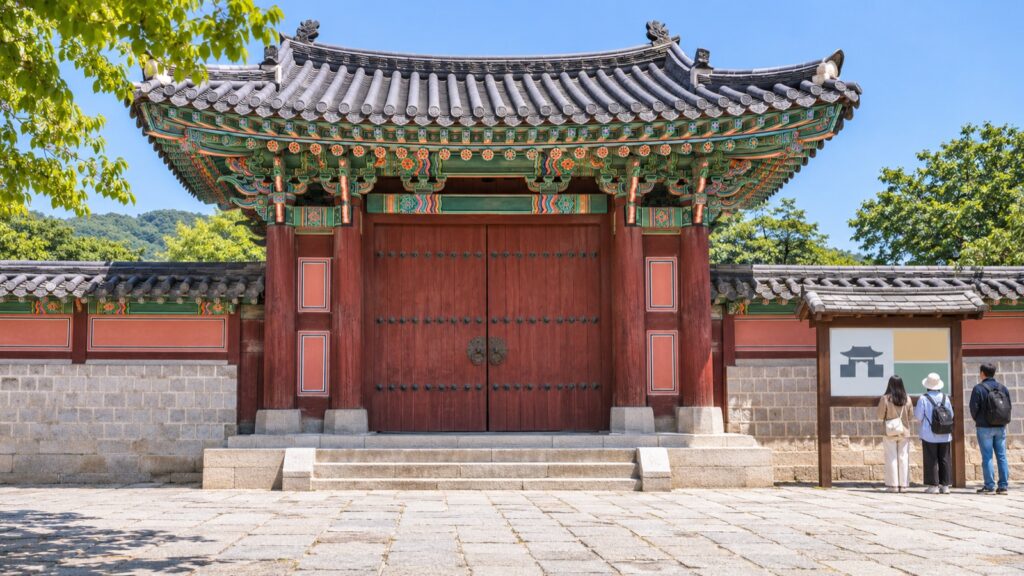
Gyeongbokgung closes on Tuesdays; Changdeokgung, Changgyeonggung and Deoksugung close on Mondays. Here is how to plan a spare day by weekday, with hours and last entry.

A check-in time on a Korean hotel booking is the clock in Korea. Here is how to convert it to your time, which date to count, and what to tell the hotel.
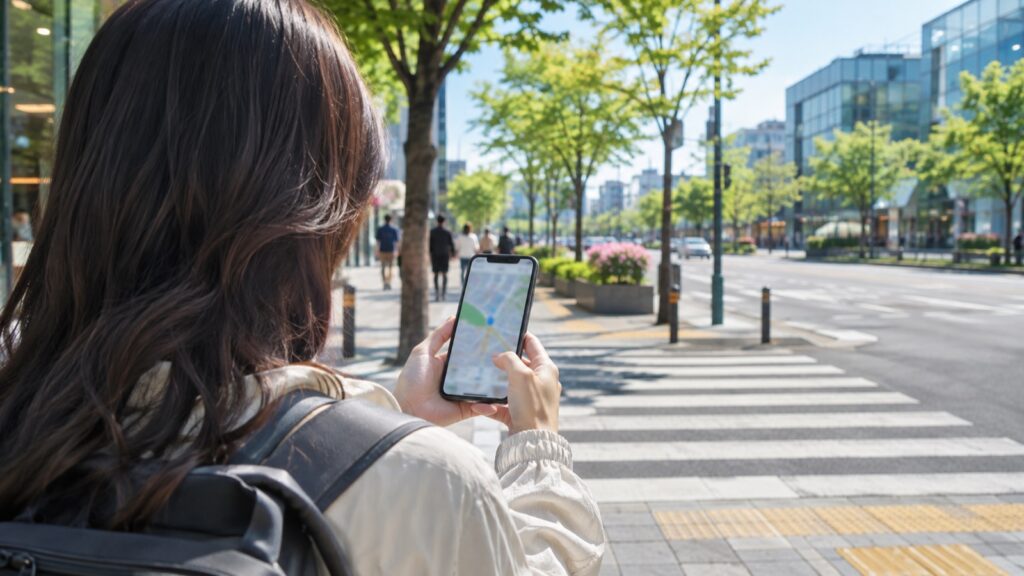
Whether you stream video on mobile data matters more than the GB number. How to choose between unlimited and fixed-data eSIMs for Korea, and what sharing a hotspot changes.
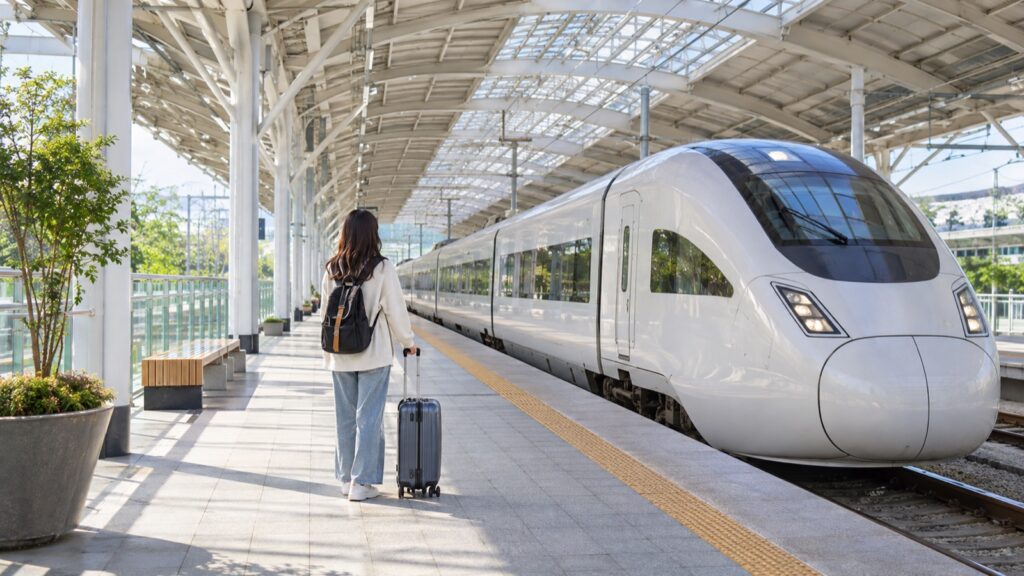
On a Seoul-to-Busan route, the extra night usually does most good in Busan, where one night covers only one side of the city. When Seoul is the better choice, and a five-point check.

For a first trip, stay near Jongno 3-ga: three subway lines and Insadong, Ikseon-dong and Jongmyo on foot. Jongno 5-ga suits Gwangjang Market food trips and quieter nights.
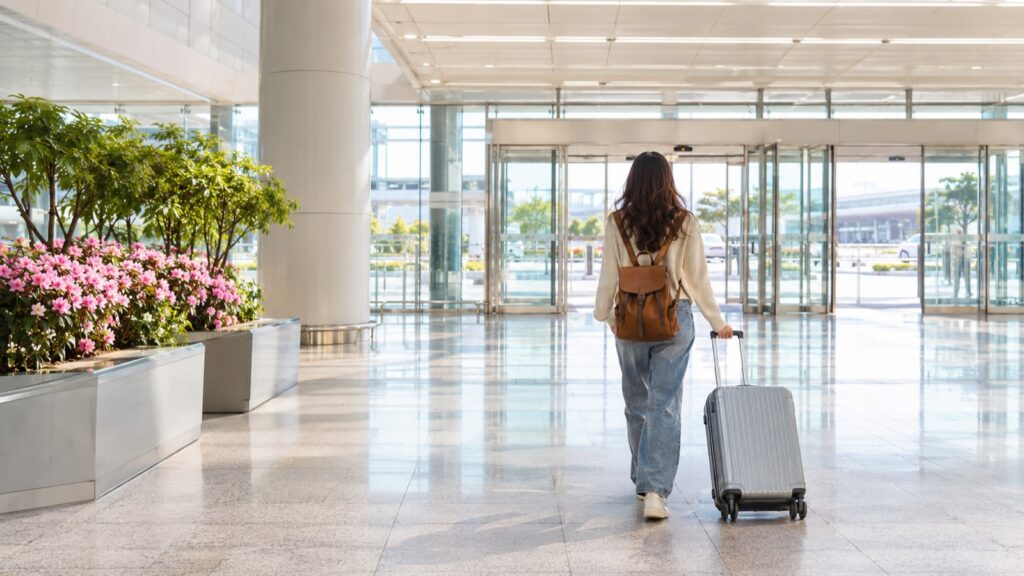
Landing at Jeju after 11 p.m., plan on a taxi: limousine 600 leaves at 22:40. Where the bus and taxi gates are, airport fare estimates, and when a first night near the airport makes sense.
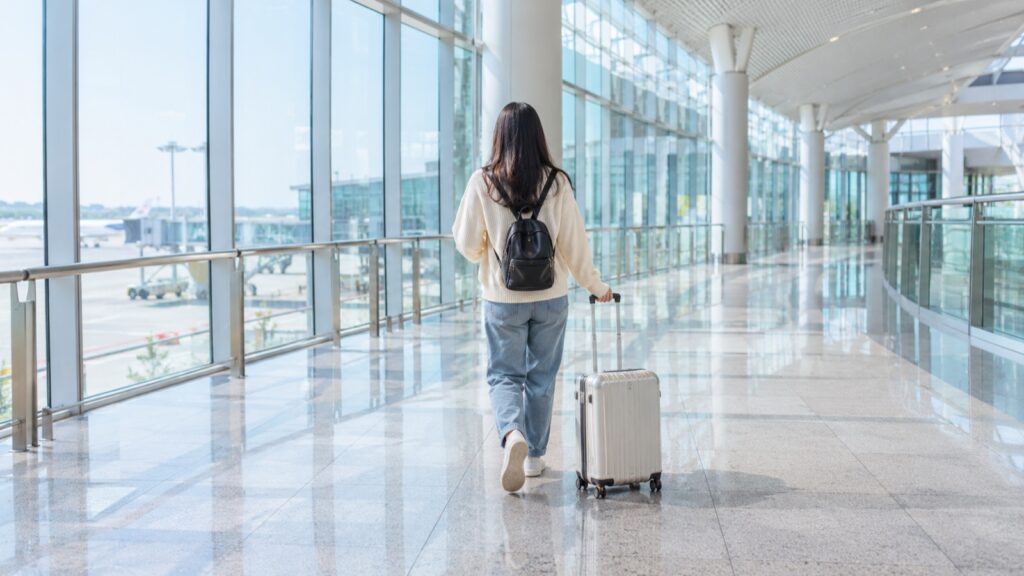
Staying airside at Incheon on an international connection, you do not need a K-ETA just for transit. Rechecking bags, separate tickets or leaving the airport mean you enter Korea.
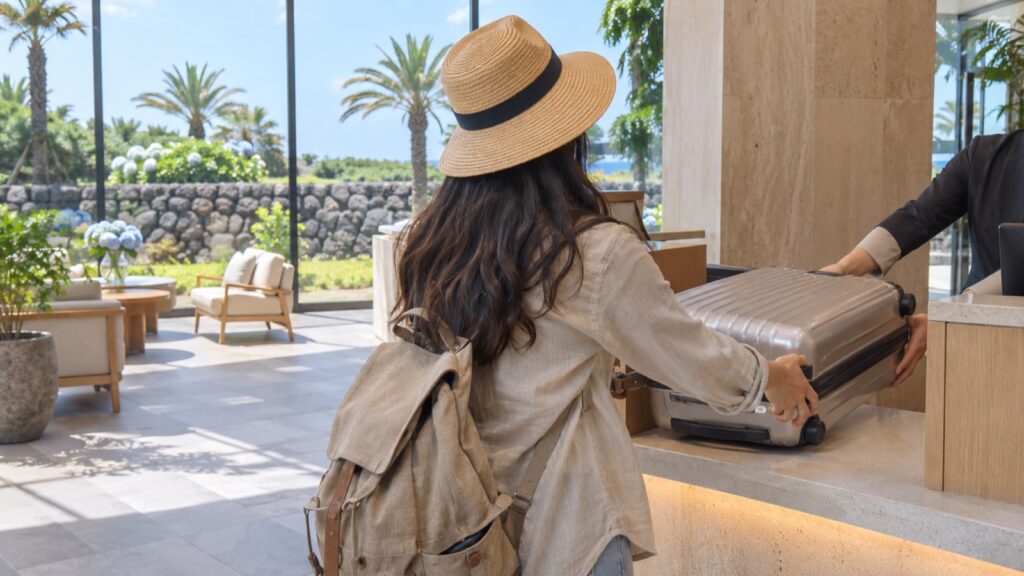
You can send luggage between Jeju hotels, but no hotel does it automatically. Ask both hotels and the provider first, know what airport delivery covers, and keep a day bag with you.
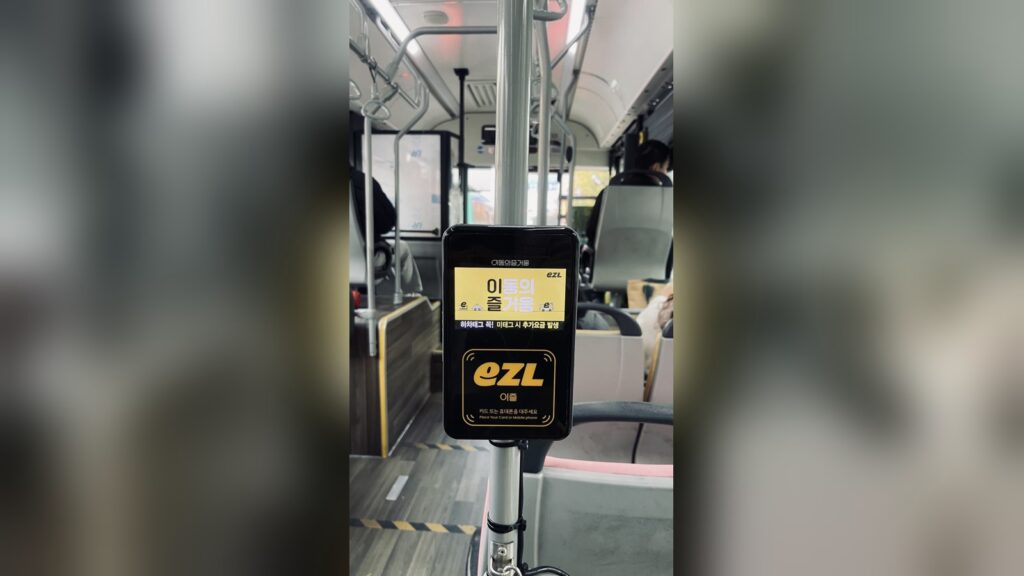
Apple Pay in Korea needs an eligible card, LINE Pay does not list Korea, PayPay works at some QR merchants and JKOPAY is unconfirmed. What to carry and how to pay at the counter.
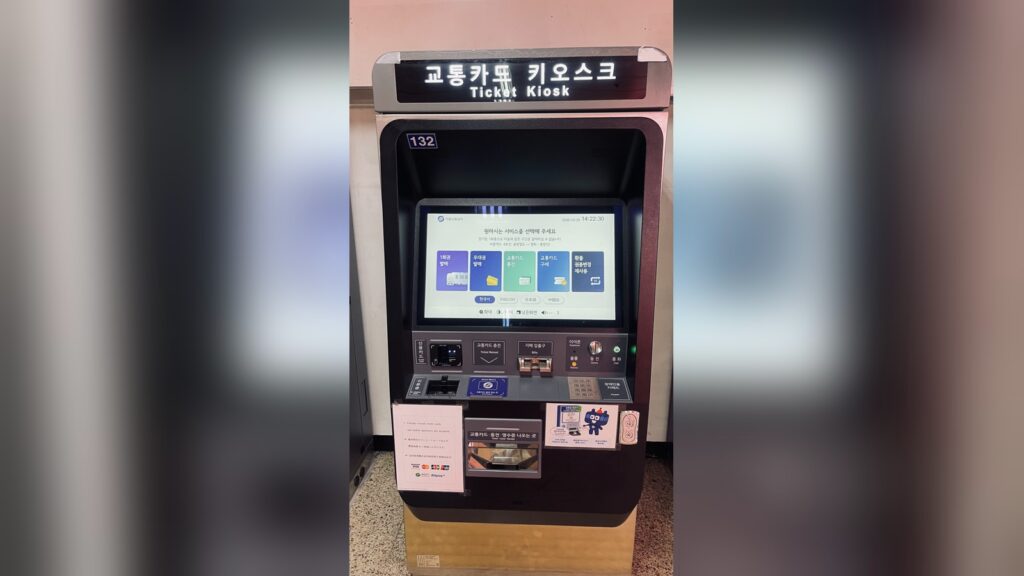
Foreign cards can buy AREX and some Seoul subway tickets at newer machines, but you cannot tap them at ordinary gates. What works today, what is only planned, and what to carry.

About 100,000 won for three days in Seoul, 150,000 for five and 200,000 for a week if you also carry a card: what the cash is for, where cards work, ATMs and leftovers.

Your T-money is stopped at the AREX gates at Seoul Station because the airport leg costs far more than a subway ride. Fares, the Line 1 and 4 transfer walk, and how to top up.

Seoul's 31 December bell ringing at Bosingak, the countdowns, last year's subway extension to about 2 am, and what is open on 1 January, from the city's own plans.
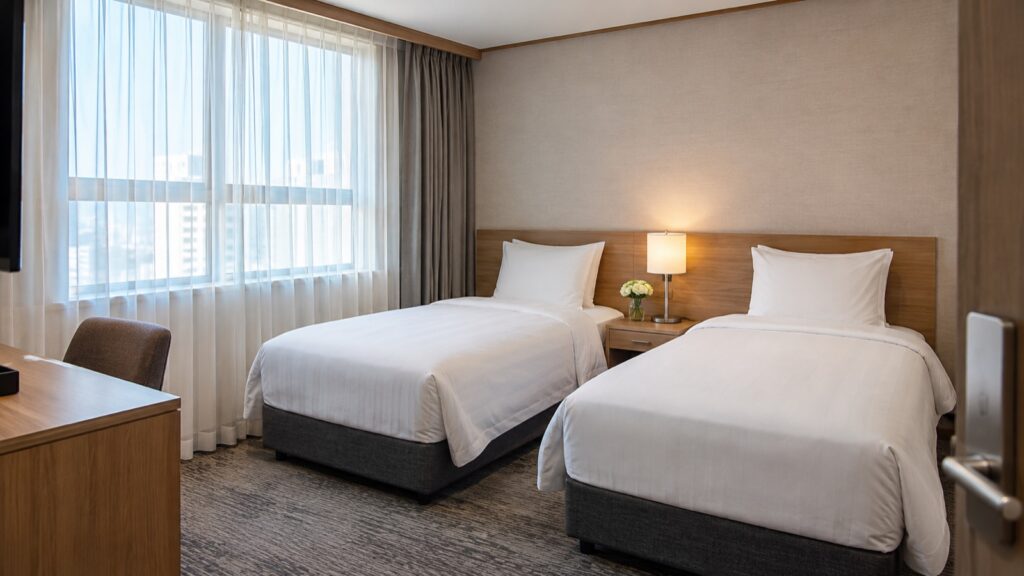
At Korean hotels a twin has two beds and a double one bed, but sizes vary and an ondol room may have floor bedding. How to check if beds join and if there is a bathtub.
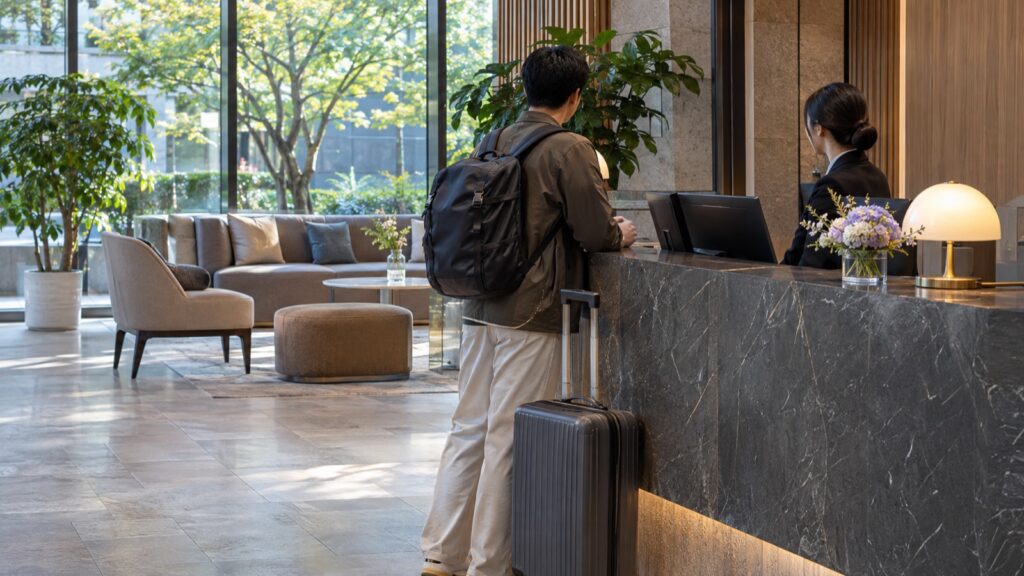
Seoul hotels check in at 3 pm and out at 11 am or noon. Early check-in and late check-out depend on availability and usually cost extra; one hotel charges KRW 40,000 to 80,000.

Seoul's January averages are −5.5°C to 2.1°C, about 20 degrees colder than Taipei. What to pack for December to February: a wind-proof coat, thermals and layers you can shed indoors.
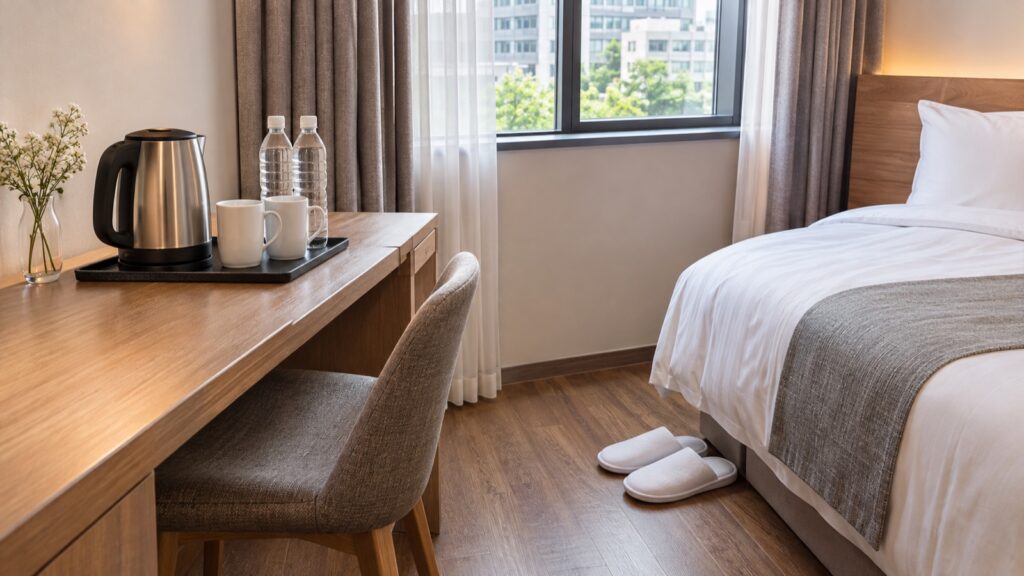
Slippers, bottled water, coffee and Wi-Fi are free at the Seoul hotels checked here. Toothbrushes and razors are not, under a 2024 rule for hotels with 50 or more rooms.
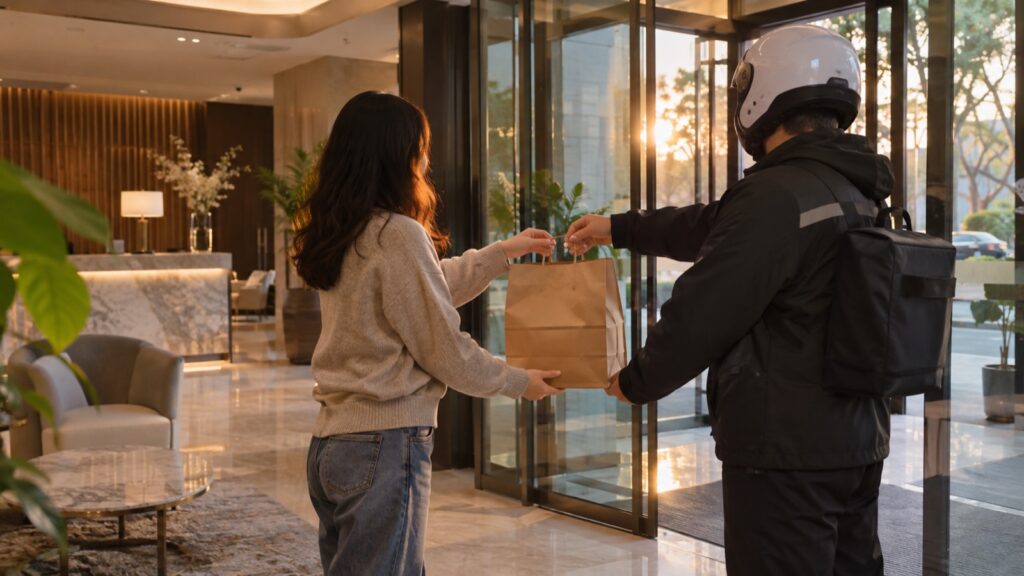
Yes, you can order delivery to a Seoul hotel, but you usually collect it in the lobby. How to order without a Korean phone number, what hotels allow, and where the rubbish goes.
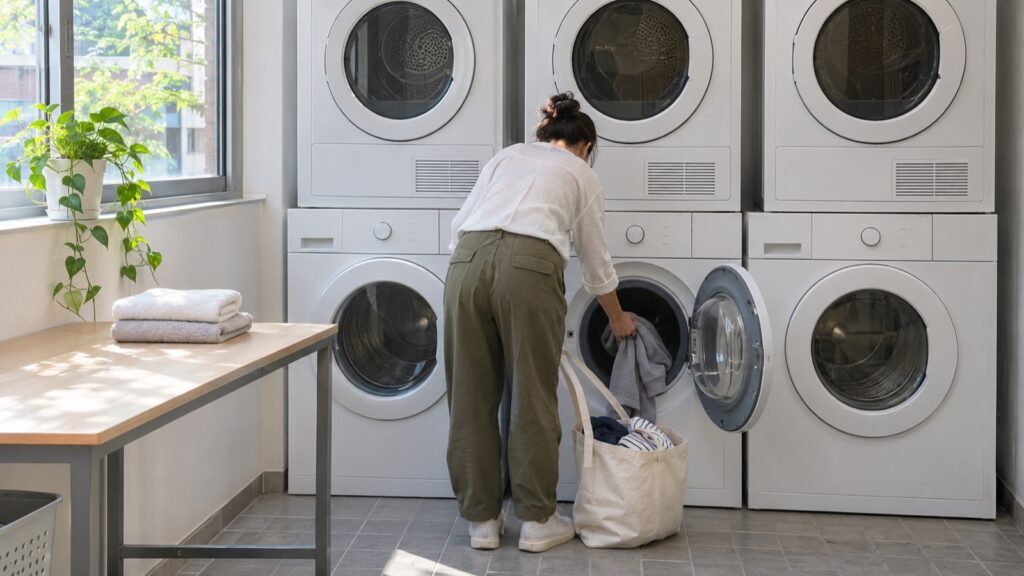
Where to wash clothes on a Seoul trip: hotel coin laundry rooms and what they cost, self-service laundromats, hotel laundry service, and what to ask a hotel before you book.
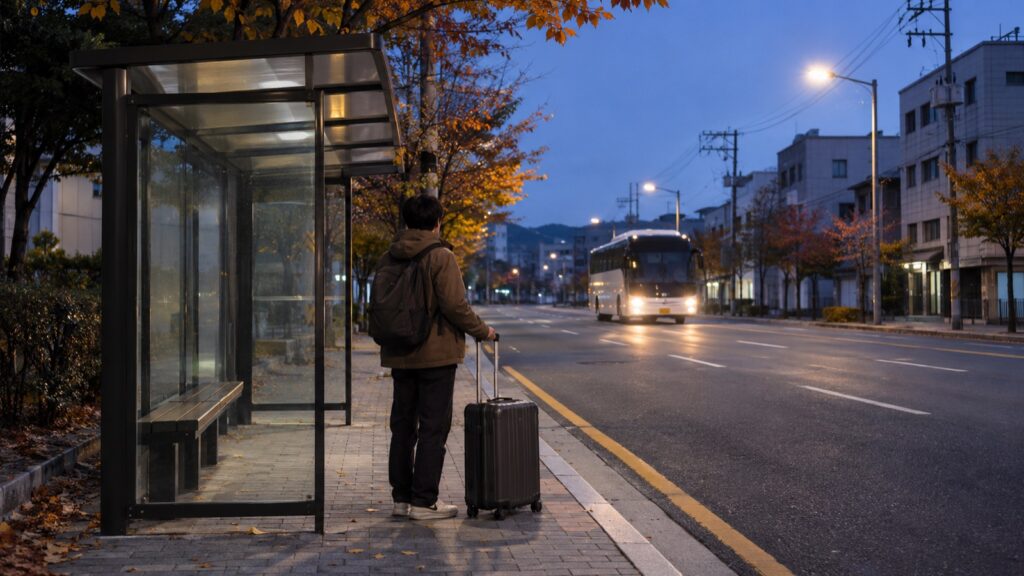
For Incheon flights before about 09:30, the first train from Seoul arrives too late. First trains, 04:00 airport buses, night buses, taxi fares and when to sleep at the airport.
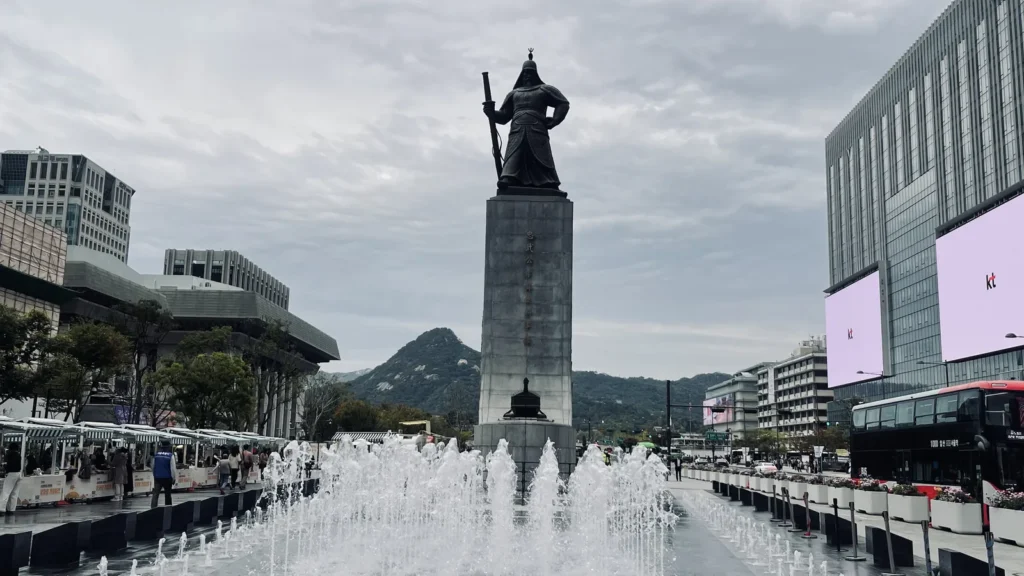
Walk Gwanghwamun Square and Cheonggyecheon Stream: which Line 5 exit to use, free exhibition hours, how long to allow, and what still runs after dark.
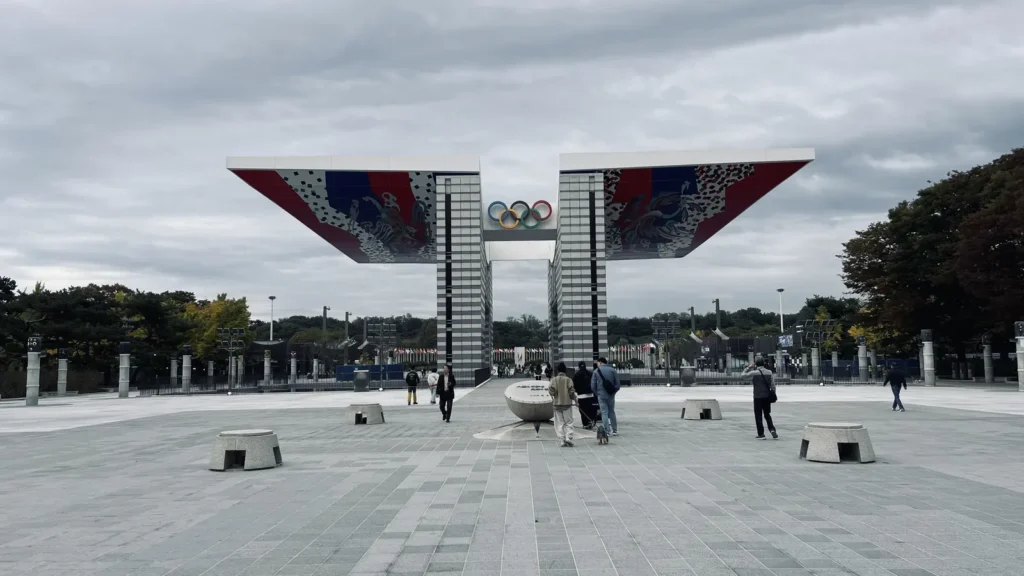
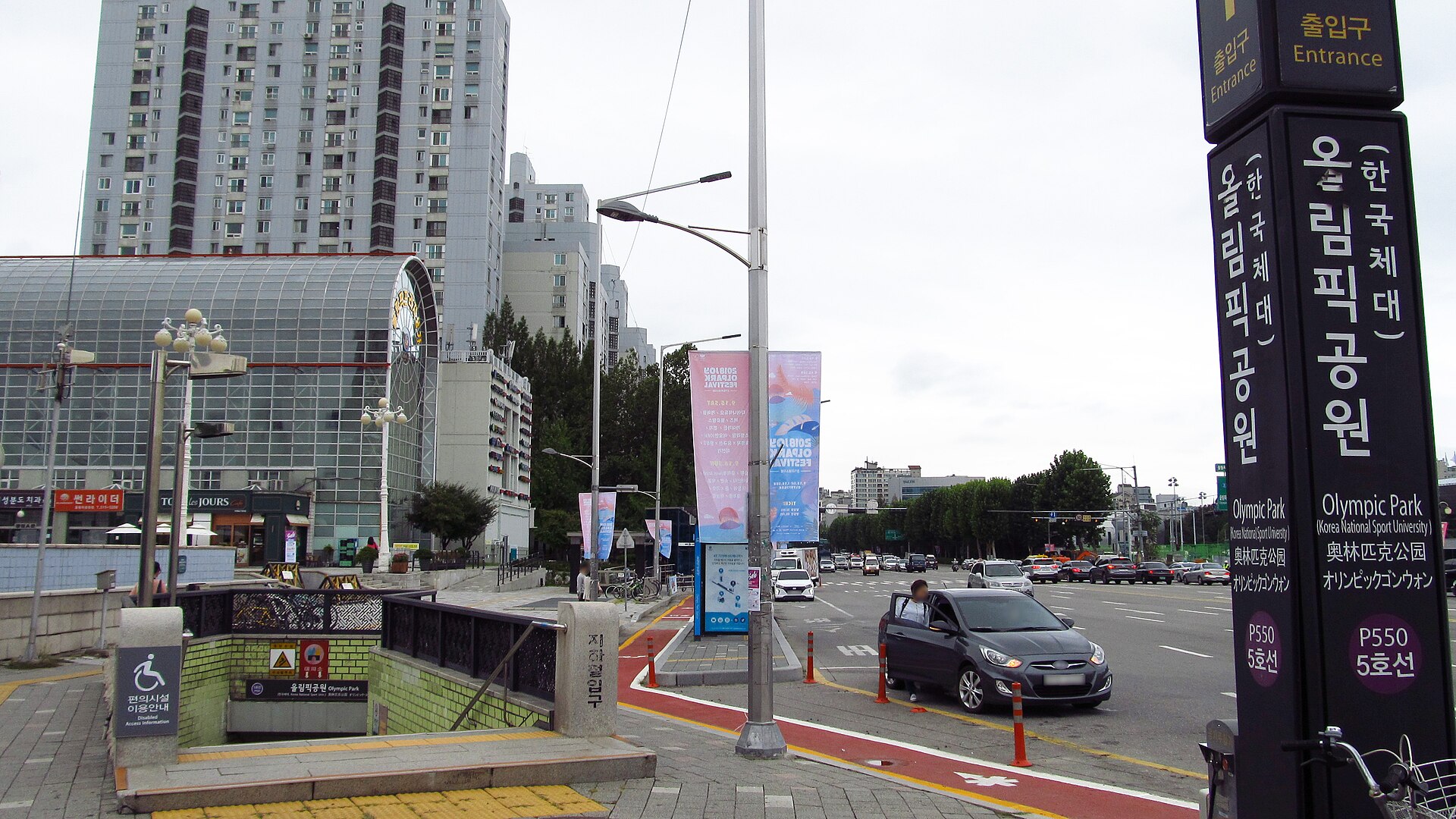
Seoul Olympic Park is free and open daily 05:00-22:00. Which subway exit to use, how long the Mongchontoseong walk takes, bike rental fees and what to avoid.
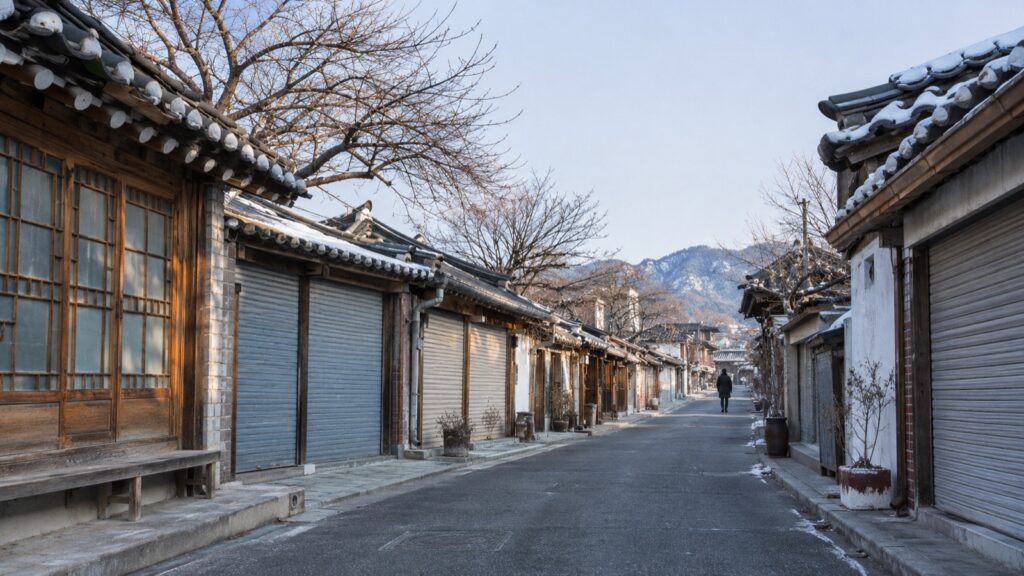
Seoul keeps running over the holidays, but small restaurants and some museums close on the day itself, and trains out of the city sell out. The 2027 dates and how to plan around them.
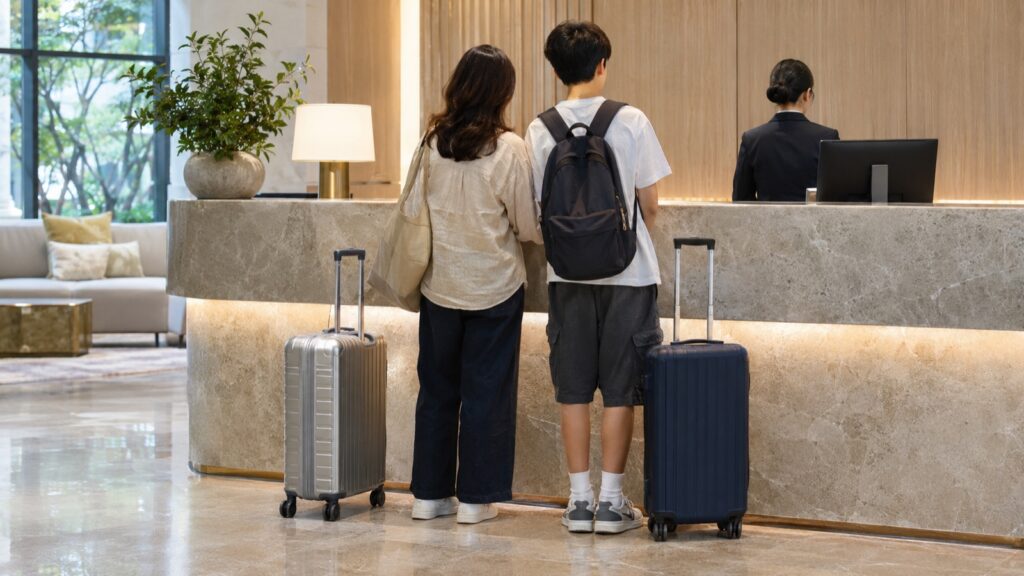
Korean law draws the line at 19, counted by birth year, and targets mixed-sex room sharing. Each hotel's own rule is usually stricter. What hotels ask for, and how to get a written yes before you pay.

One order that works: Seoul, Jeju, Busan, then back through Seoul to the airport, with three, two and two nights and a stop in Gyeongju. Nine dates give only eight nights.
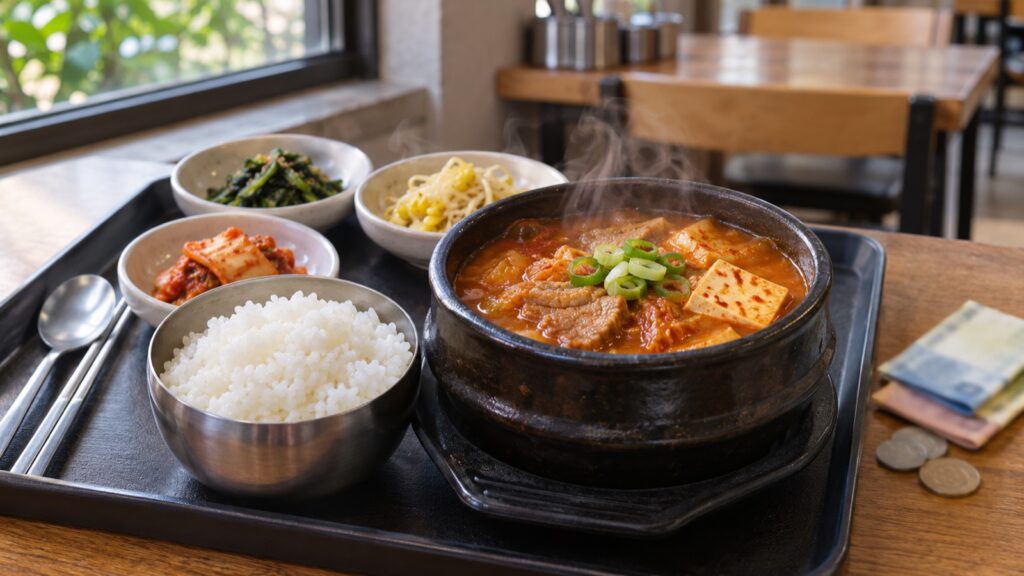
A realistic start is 35,000 to 45,000 won per adult per day for three ordinary meals and a small reserve. How that figure is built and how to change it.

Start with one bindaetteok if you are hungry, or a small gimbap if you only want a taste. How to order at Gwangjang Market and keep room for the next stall.
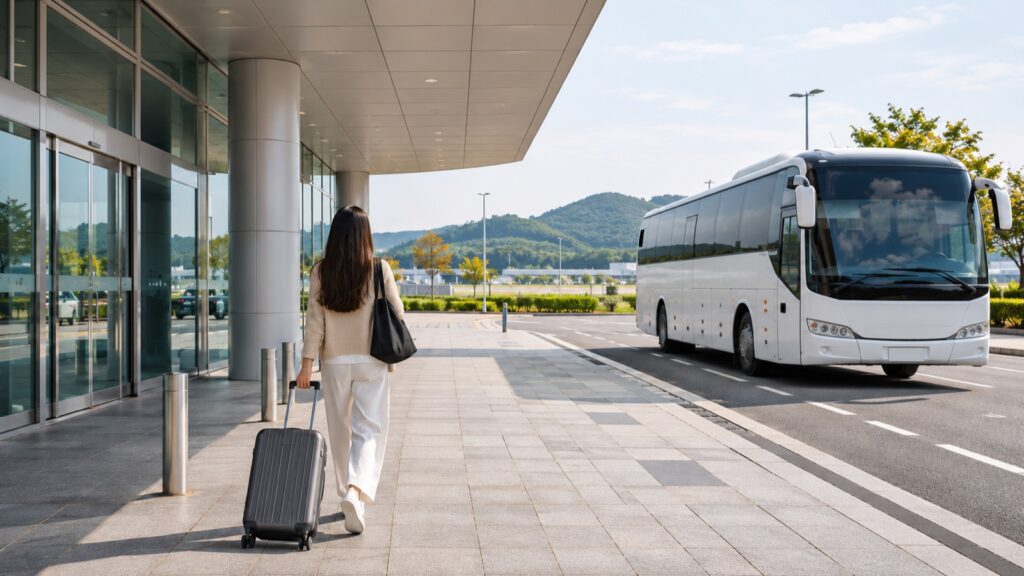
The direct coach to Gangnam or Seoul Nambu costs 14,000 won if its timetable fits your landing. After the last one at 19:15, take a city bus to Osong and a KTX.
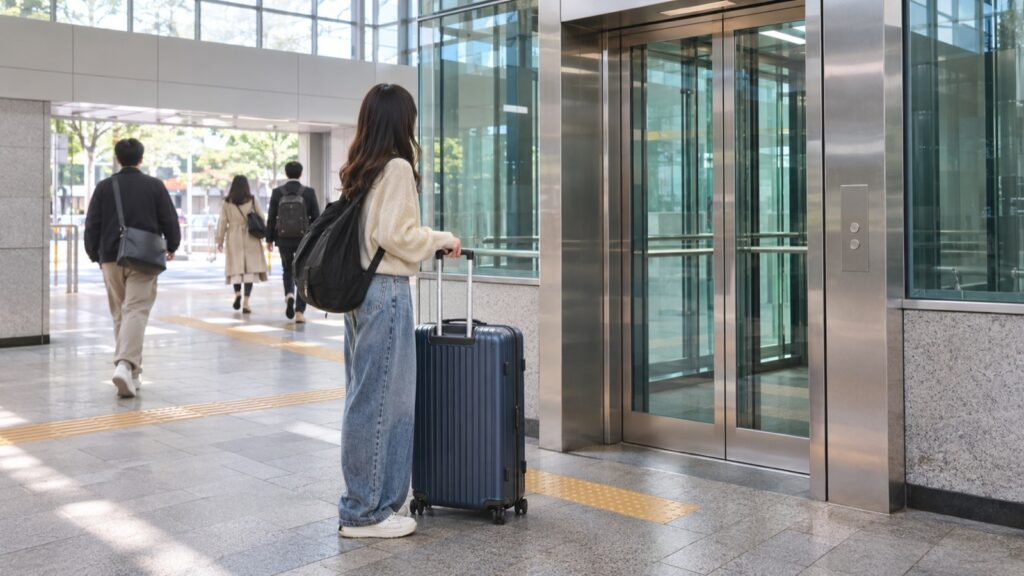
Light bags suit the train. With several large cases or an awkward last walk, compare a taxi or airport bus. How to weigh lifts, transfers and the walk to your hotel.
On a daytime connection, thirteen hours is workable and nine is barely worth it. Entry checks, time budgets and when to head back to Incheon.

At big and well-known hotels, arriving late is no problem if you have a booking. Small places are the exception. What to confirm about the booked night and getting in at 1 am.

Yes. Hotel Wi-Fi and a phone number are different things, so ask the property how guests log in before you pay for a new phone plan.

Not unless the hotel agrees. How to add a third guest or a child, what to confirm about capacity and charges, and why an unregistered guest is the worst option.

Porridge or ox-bone soup from 07:00, or ramyeon and gimbap from a convenience store. When a room-only rate works and what to eat near your hotel.

Signs a Seoul day is too packed, how to group nearby stops, and what to move to another day. Give each day one purpose and treat the rest as optional.

A clear booking confirmation is normally enough. When to contact a Korean hotel, what to ask, and what to do if no confirmation has arrived.
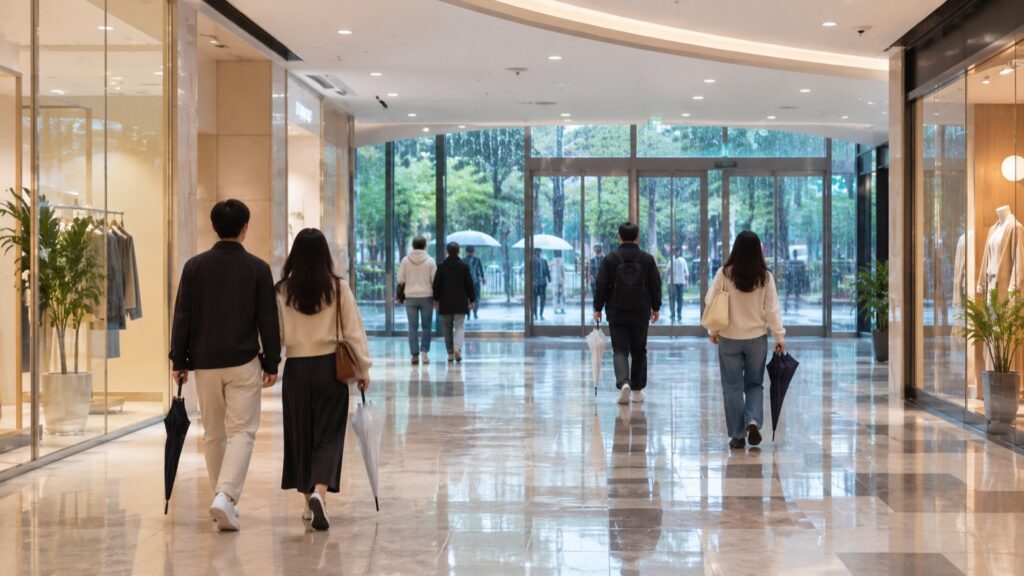
Keep Jamsil and change the main activity. The aquarium, Lotte World Adventure, the ice rink and the shops all sit around Jamsil Station on Lines 2 and 8.
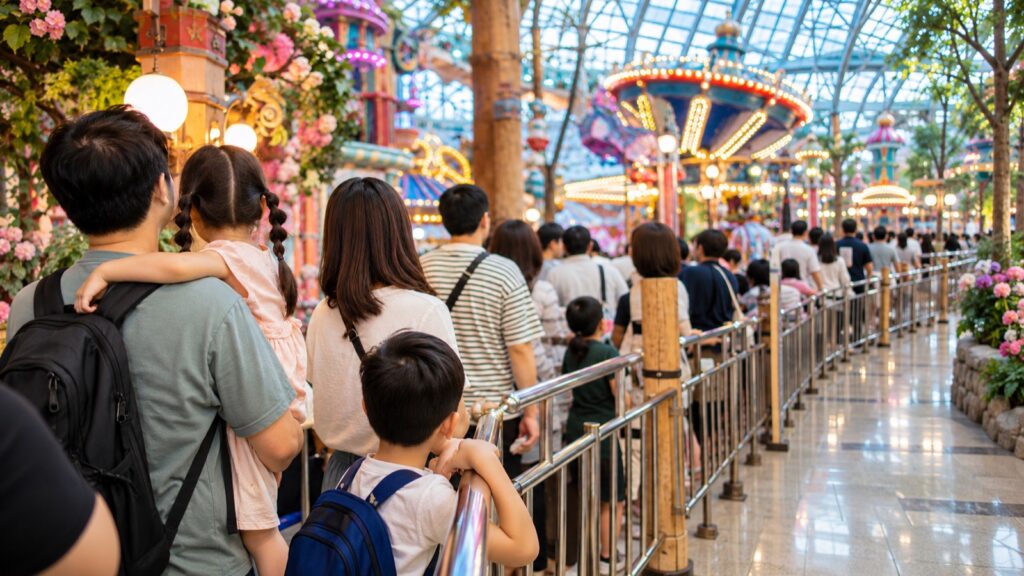
You need an admission ticket, and you rarely need a Magic Pass. An adult ticket is 64,000 won, and the pass adds 54,000 to 80,000 won for five uses of a shorter queue.
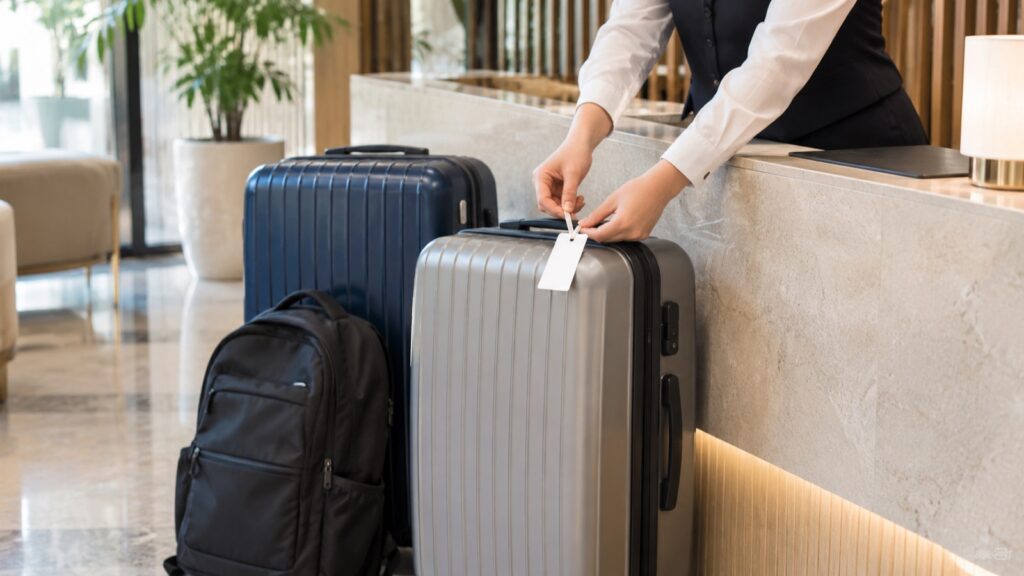
Ask your hotel first. If it cannot help, T-Locker self-service lockers start at 2,200 won for four hours and staffed T-Luggage counters at 3,000 won.

The Korea Travel Helpline, 1330, covers travel information, interpretation and complaints by phone, online call or chat. When to skip it and call 112 or 119 instead.
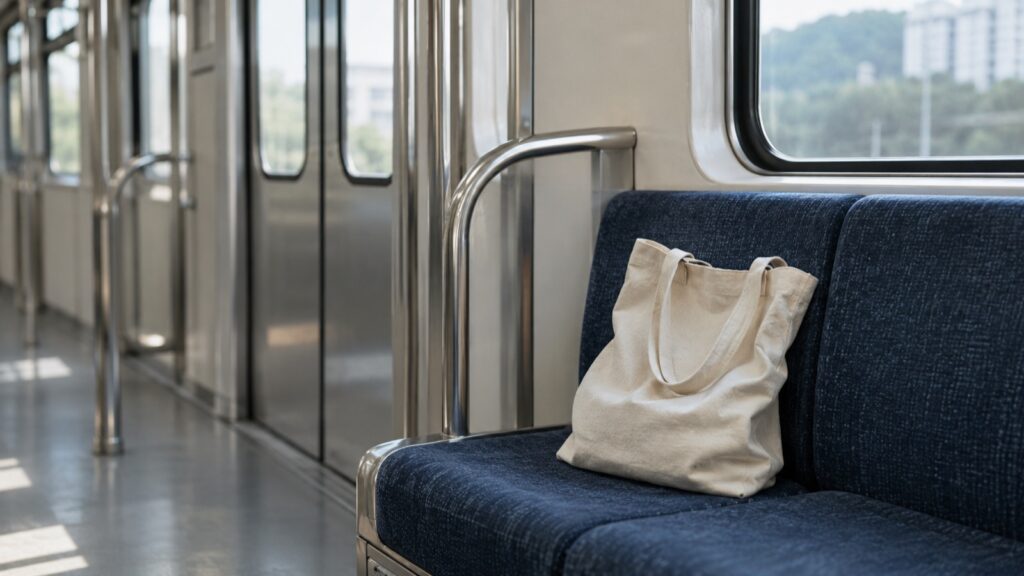
Tell station staff straight away or call Seoul Metro on 1577-1234 with the time, line, direction and where you sat. Lost-property centres open on weekdays from 09:00 to 18:00.

Three hours before departure at the correct terminal is the margin to plan on. When airlines allow less, when to go earlier, and the time to allow from Seoul.
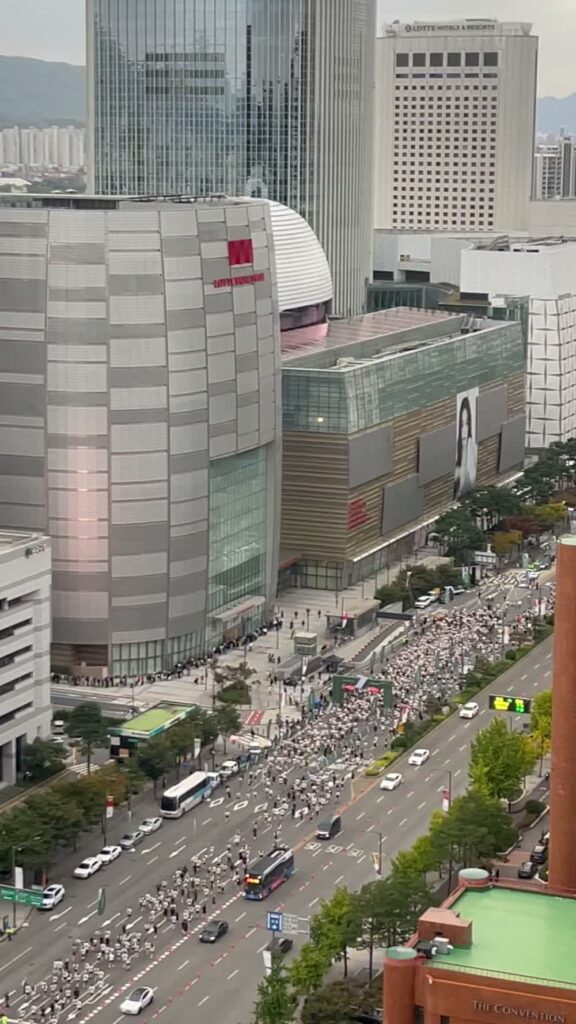
A look back at Style Run 2026 in Jamsil on 18 October, with street footage filmed by Mijeong Kim and notes on the day. The event has ended.

An adult ticket normally costs 3,000 won, and a full hanbok gets you in free. Guard change times, Tuesday closures and what to check before renting hanbok.
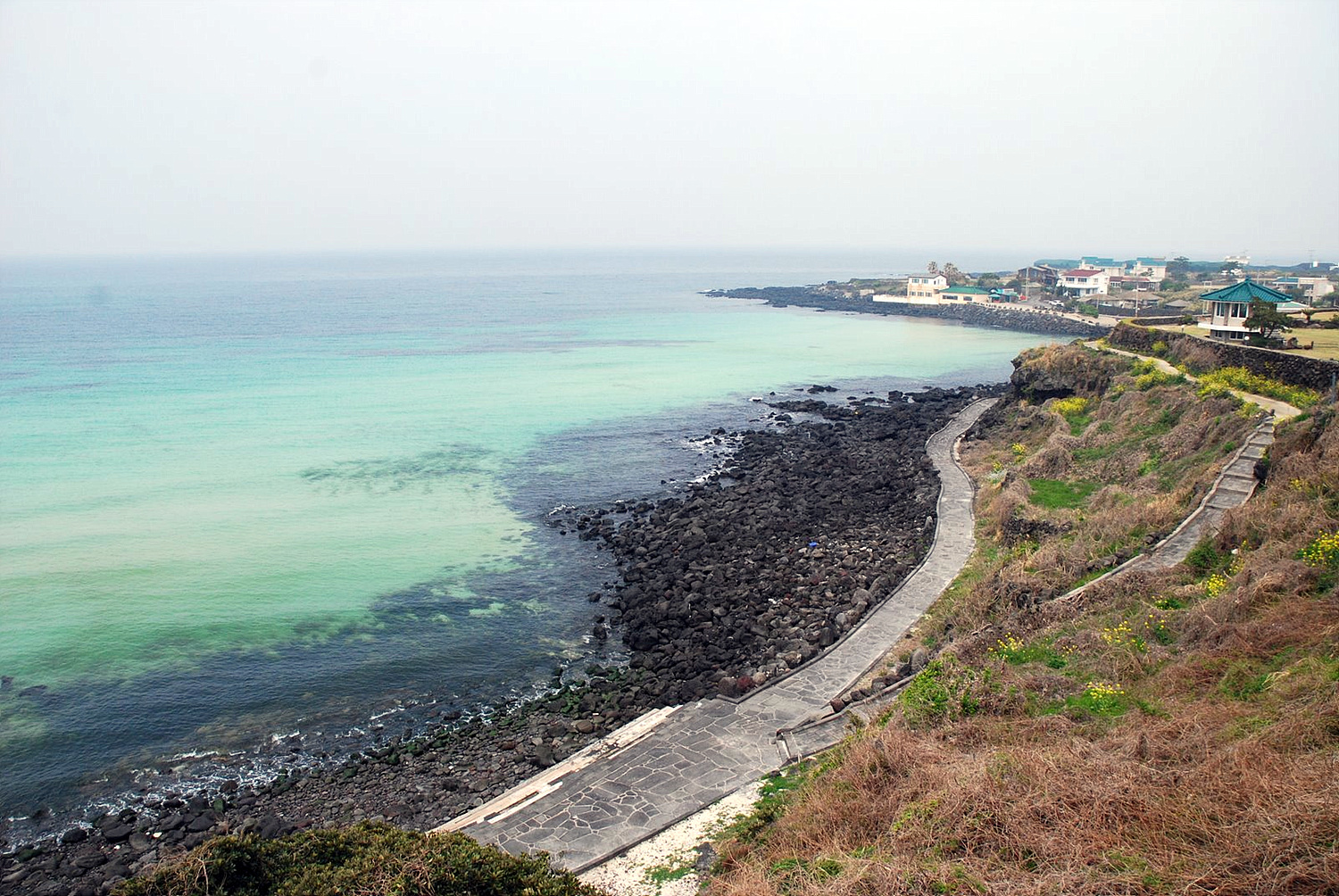
Gimpo is the airport to use for Jeju. Flight times, the original passport rule, baggage, and getting around Jeju by bus once you land.
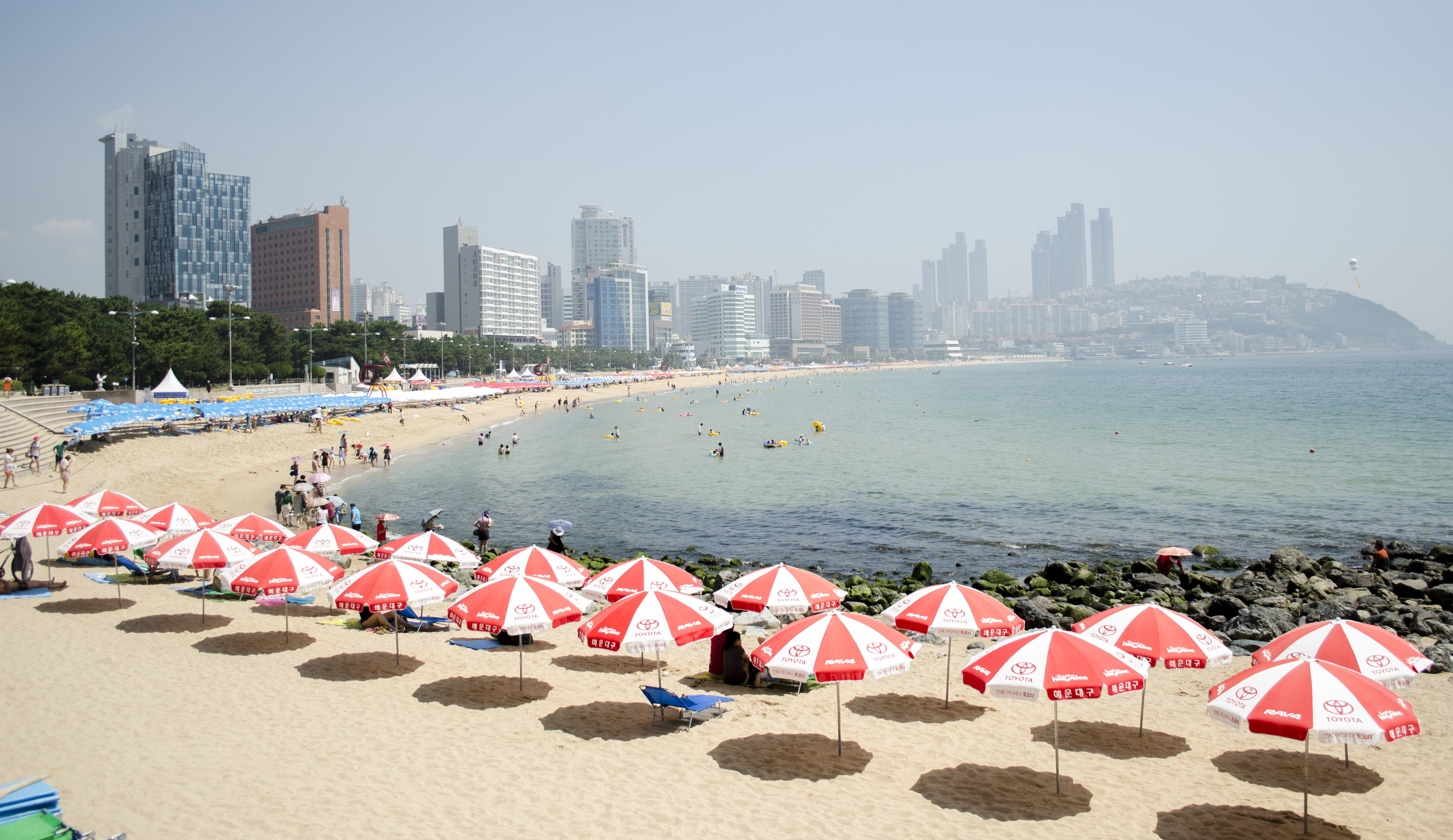
One day covers one side of Busan and two days cover both: Nampo, Jagalchi and Gamcheon on Line 1, Haeundae on Line 2, with transport cards, luggage storage and rain options.

Lotte World Adventure suits a cold or wet day or part of a day. Everland suits a full outdoor family day. Ticket prices barely differ, so the real cost is your time.

The shuttle bus gives about five hours on Nami Island with few decisions, the train gives more freedom, and a tour only makes sense if the extra stops matter to you.
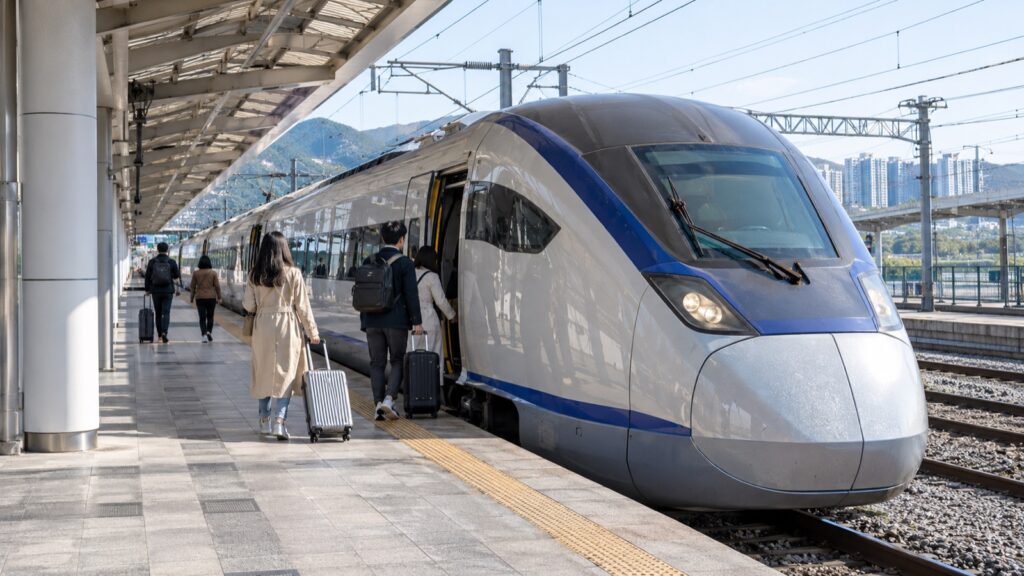
Seoul Station to Busan by KTX takes about three hours, and Korail’s published example fare is 54,400 won each way. Where to book, and when a day trip works.

From Seoul you can visit the Paju side of the DMZ: Imjingak, the 3rd Tunnel and Dora Observatory. Passport rules, Paju City’s shuttle tour, day tours and what tourists cannot join.

No single neighbourhood suits everyone. Compare Myeongdong, Insadong, Hongdae, Seoul Station, Jamsil and Gangnam by what you came to see, airport access and late-night travel.
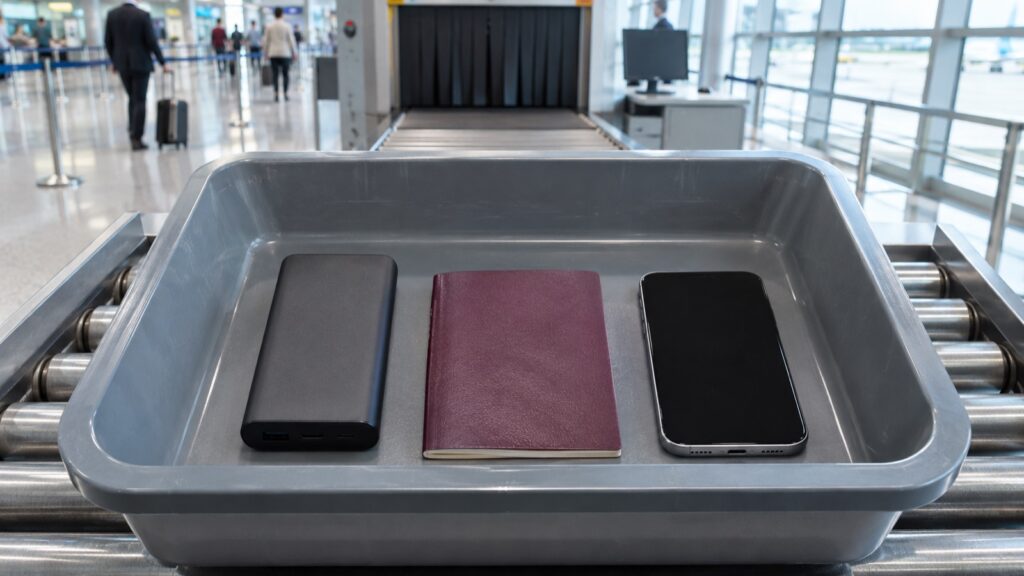
Power banks go in the cabin, never in checked baggage: two at most, each 160Wh or less, with airline approval above 100Wh. No use or charging on board.
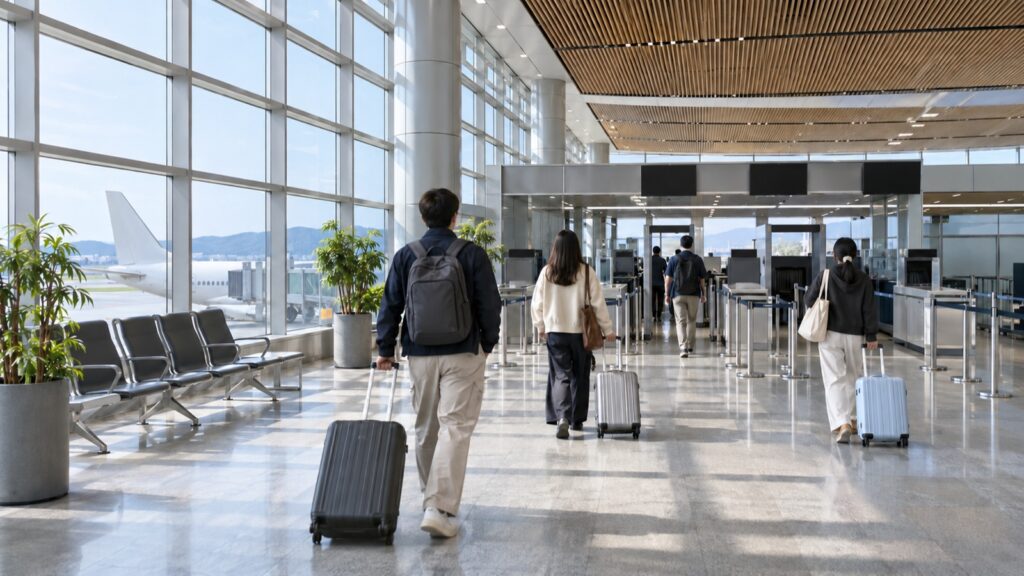
Fly from the domestic terminal, carry your original passport, arrive well before the 30-minute check-in cutoff and keep power banks out of checked bags.
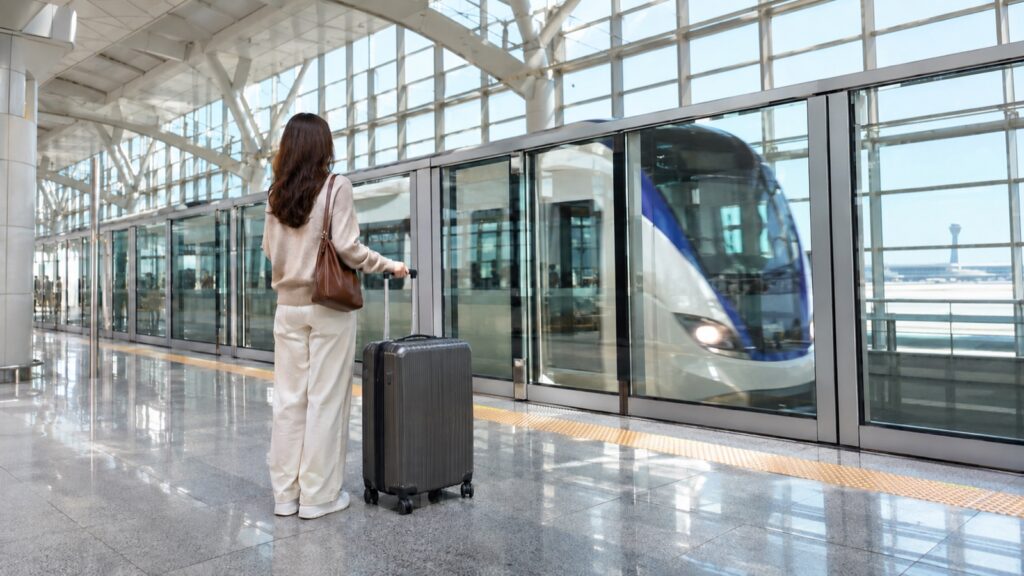
The all-stop AREX takes about 38 minutes from Terminal 1 or 44 from Terminal 2. On separate tickets, allow about four hours between landing and a domestic departure.

Your hotel decides the route: AREX for Seoul Station, Gongdeok and Hongik University, Line 5 for Gwanghwamun and Jongno, Line 9 for Yeouido, or a taxi or bus with heavy bags.
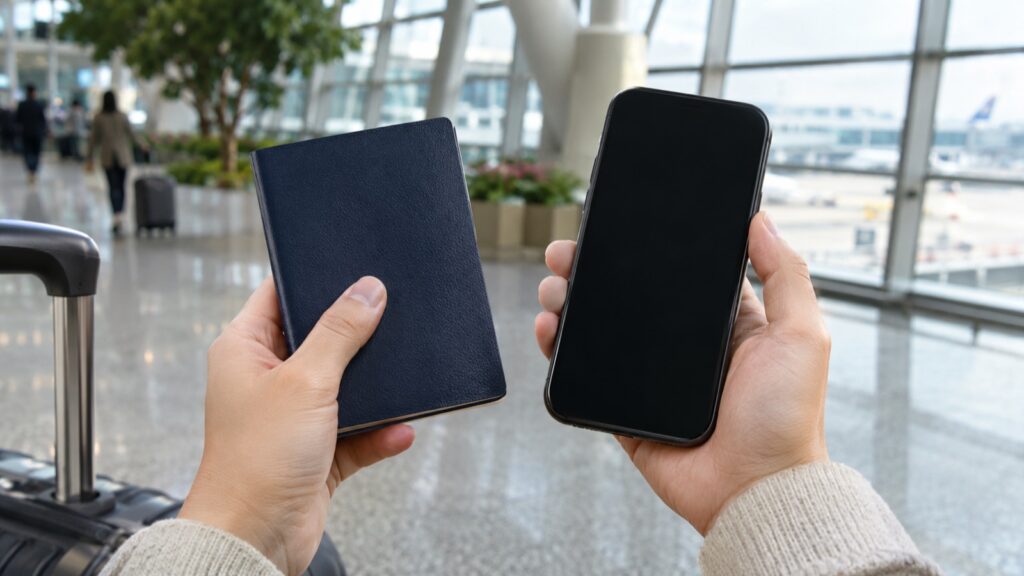
Most holiday visitors need K-ETA or the free e-Arrival Card, not both. Who is exempt through 31 December 2026, who must apply, and where to check your own case.
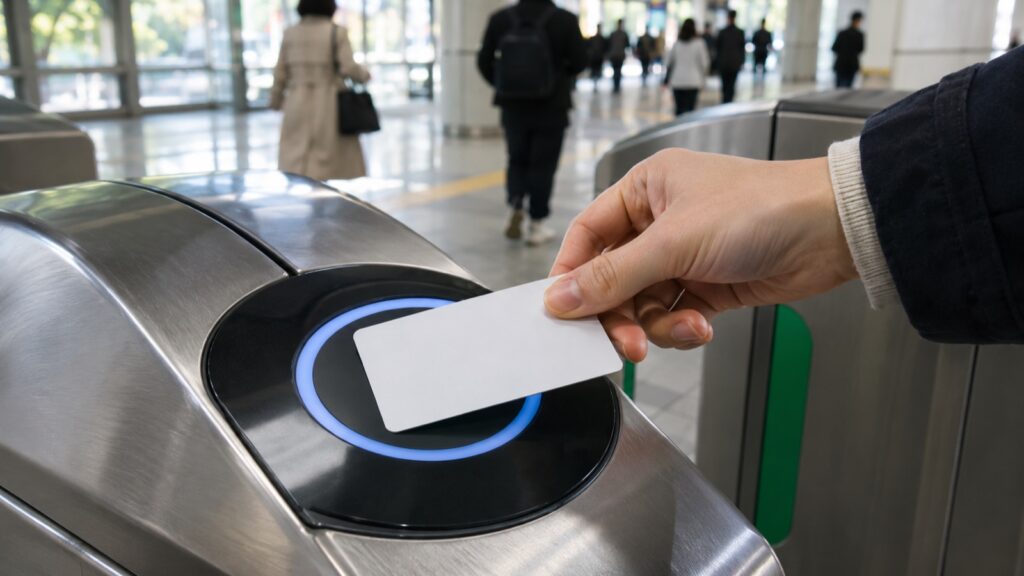
Tmoney is the flexible choice for a short visit. A Climate Card only pays off if you ride a lot: four base-fare journeys on a 1-day pass, seven on a 3-day pass.
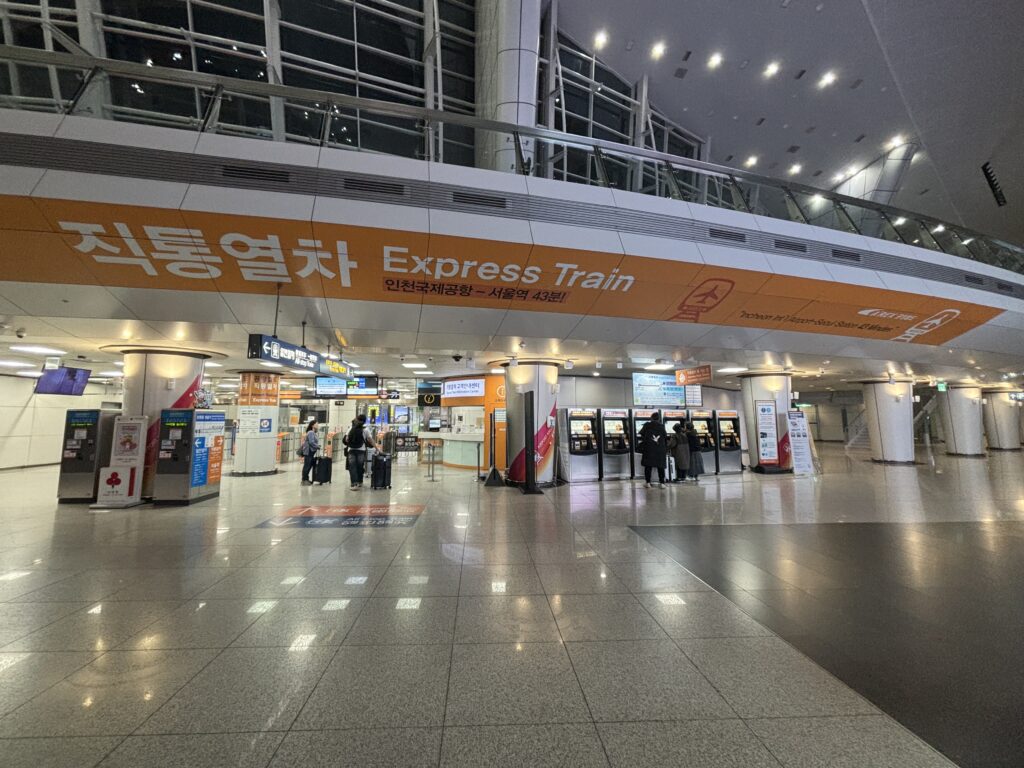
It depends on where you sleep. The train wins near Seoul Station, Gongdeok and Hongik University. A bus at 17,000 or 18,000 won can be worth it for other districts with a big suitcase.
Only the seller named in the show’s official announcement is safe. Five checks on seller, identity, collection and refunds before you pay or book flights.

A walk around Seokchon Lake with shopping and a meal is the usual plan. Decide whether you want Seoul Sky at all, and check its last entry time first.

Four night buses run into Seoul after midnight, with a gap in the small hours. Work out when you will reach the kerb with your bags, then choose a bus, taxi or planned wait.
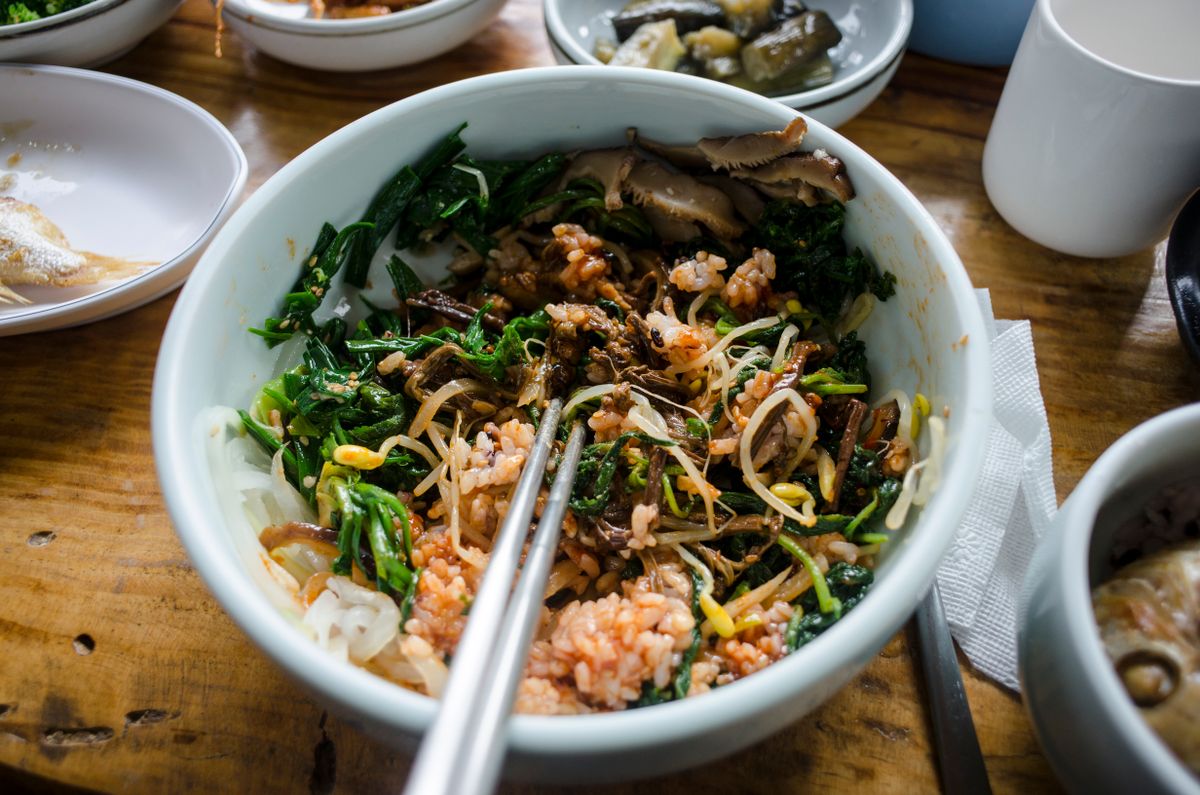
Choose the restaurant by one test: can someone there tell you what is in the whole dish and how it is prepared? Questions to ask, and what to do if a reaction starts.
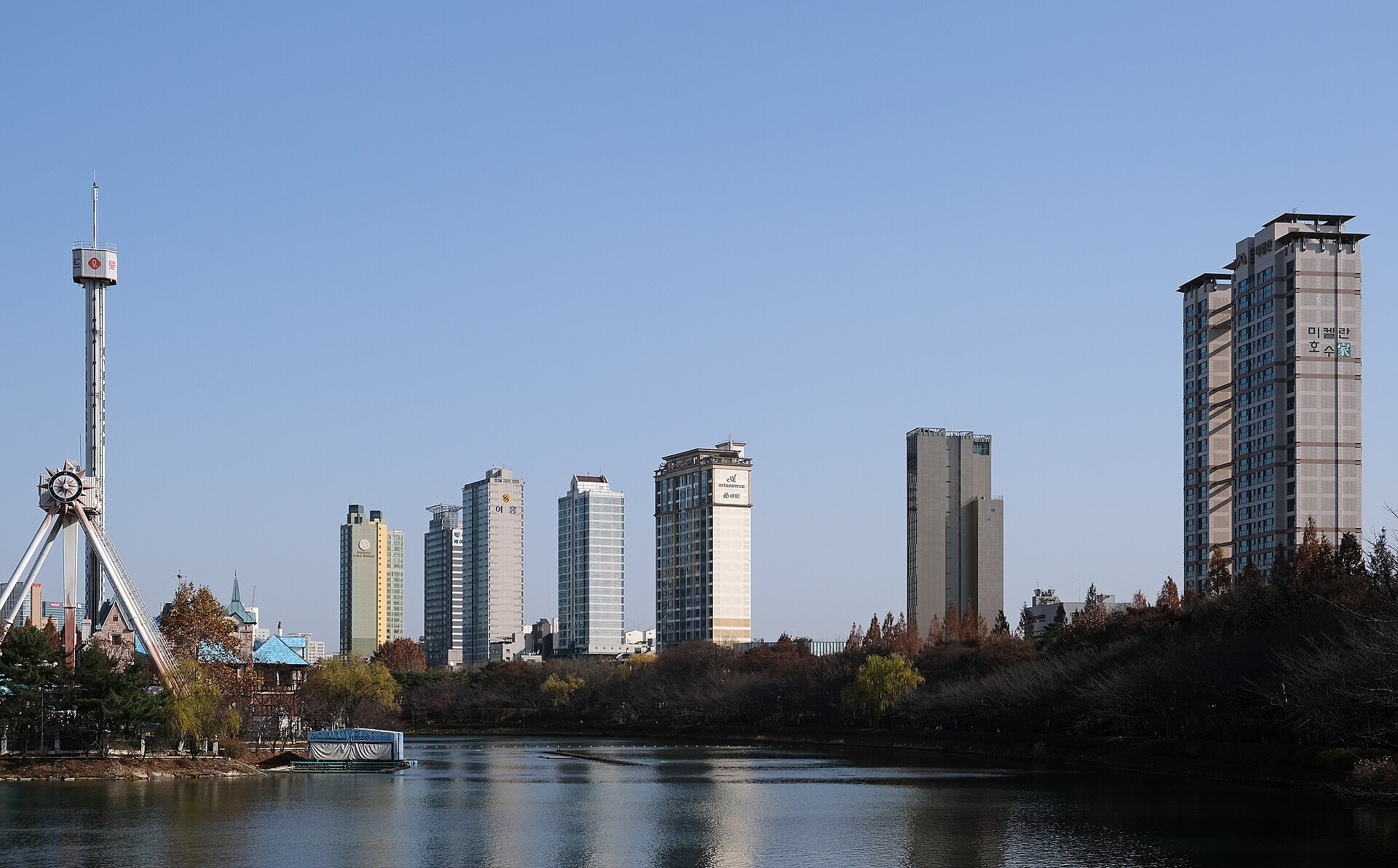
January averages −5.5°C to 2.1°C and August 22.9°C to 30.0°C with heavy rain. What to pack by month, with layers for everything between.

Ask at the till: refunded now, or claimed later? Who qualifies, the 15,000 won minimum, the three-month rule and what to do at the airport before checking bags.
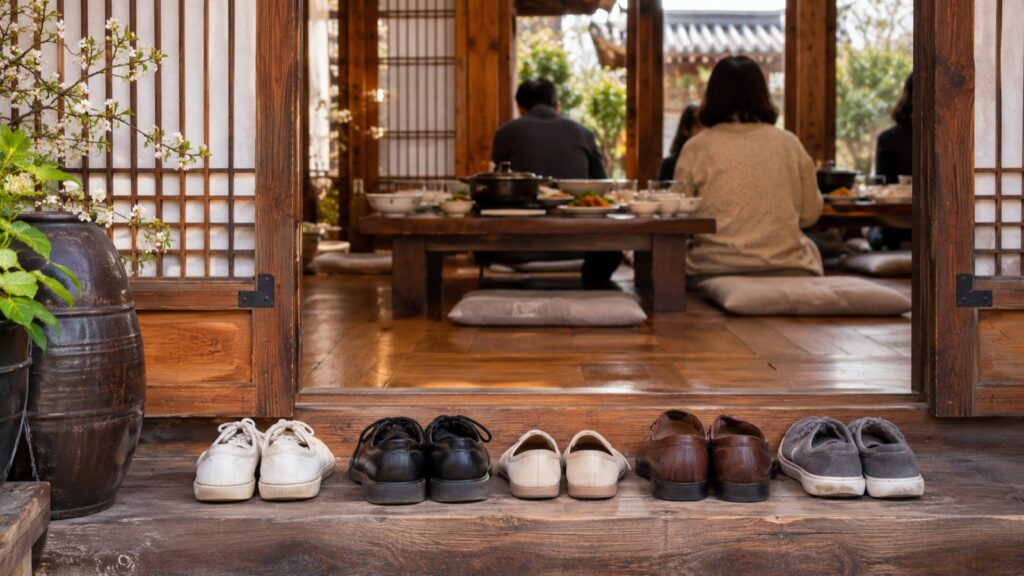
A visitor does not need to treat a meal or a subway ride as an exam. Which courtesies matter, and which rules such as Bukchon’s visiting hours are real conditions.
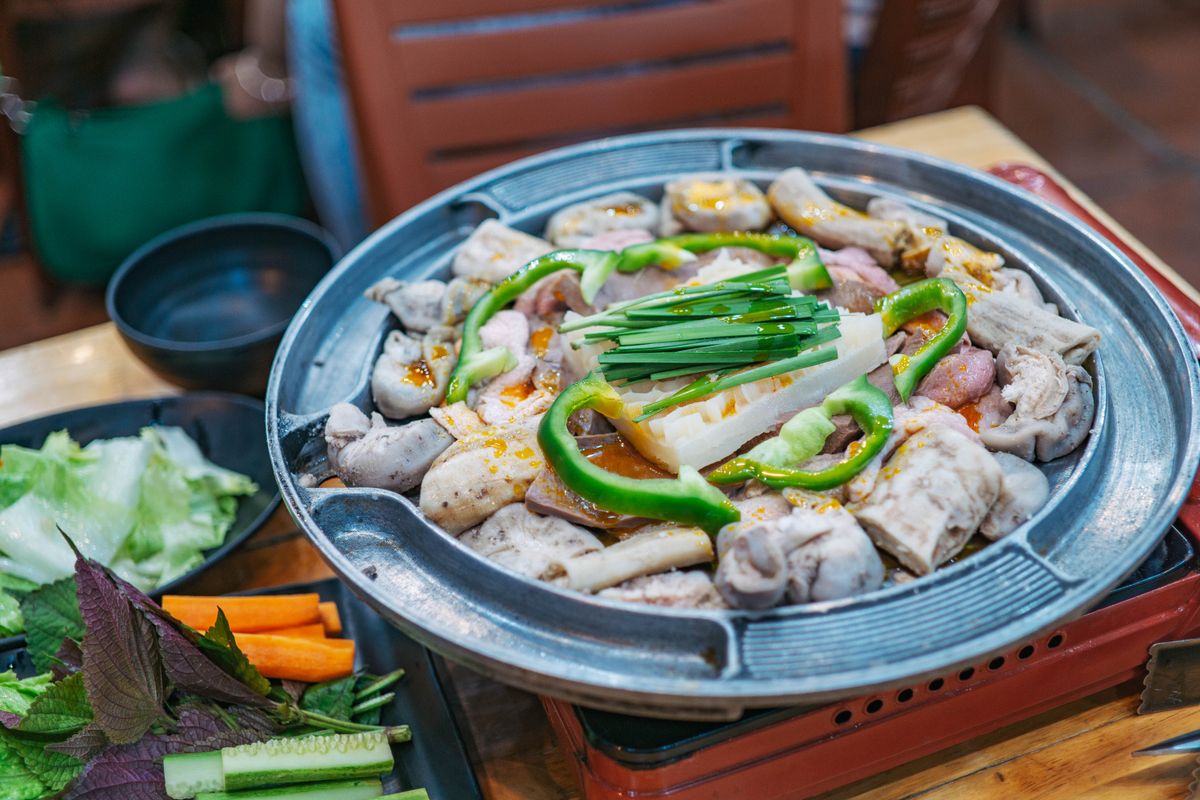
Look for the call button on the table. How a Korean meal goes from the door to the bill: portions, refills, ordering, paying and no tipping.
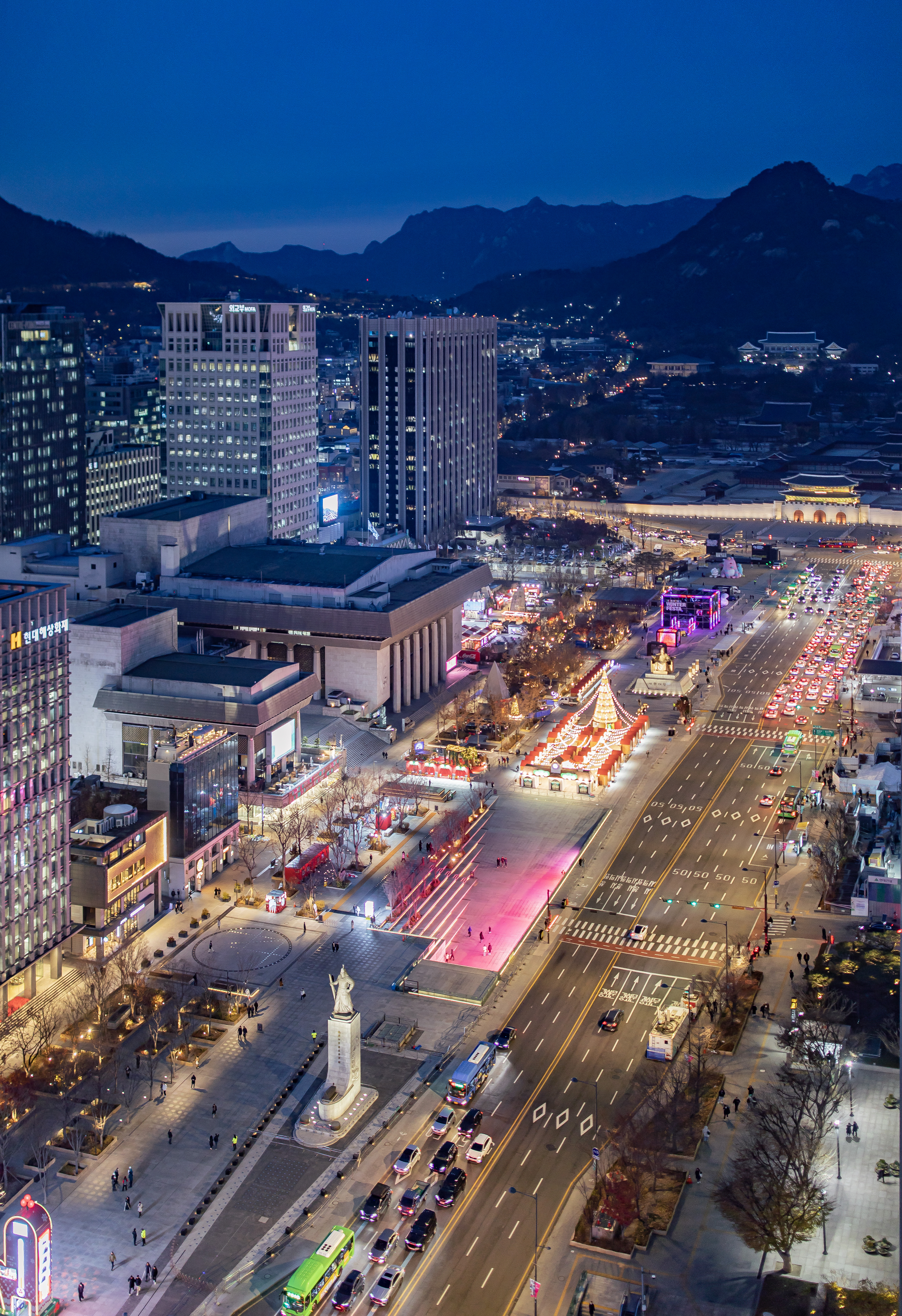
Call 119 for fire or an ambulance and 112 for police, and say “English please” once connected. What to save before you need it, and when 1330 is the right number.
Install NAVER Map, Papago, Kakao T and KakaoTalk before you fly, plus Korail+ for long-distance trains. Why Google Maps alone is not enough in Korea.
A local eSIM is the first suggestion for a phone that supports it, after setting one up for visiting friends. When roaming makes more sense, and what to check before you buy.
When a Seoul taxi is worth it, what a ride costs from the 4,800 won daytime base fare, and how app calls, surcharges and showing your destination work.
Cards cover most of a trip to Korea, and a little won covers the gaps such as Tmoney top-ups and market stalls. How much cash to carry, currency choices at the till and ATM costs.
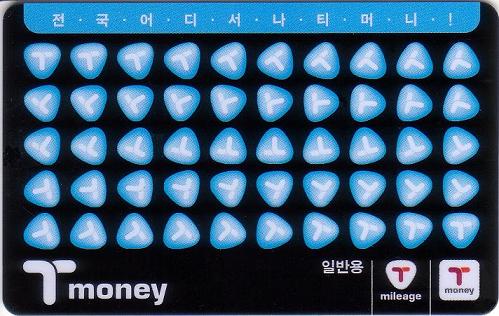
An ordinary Tmoney card from a convenience store is the simplest way to pay for Seoul’s subway and buses. Buying, loading, tapping and getting your balance back.
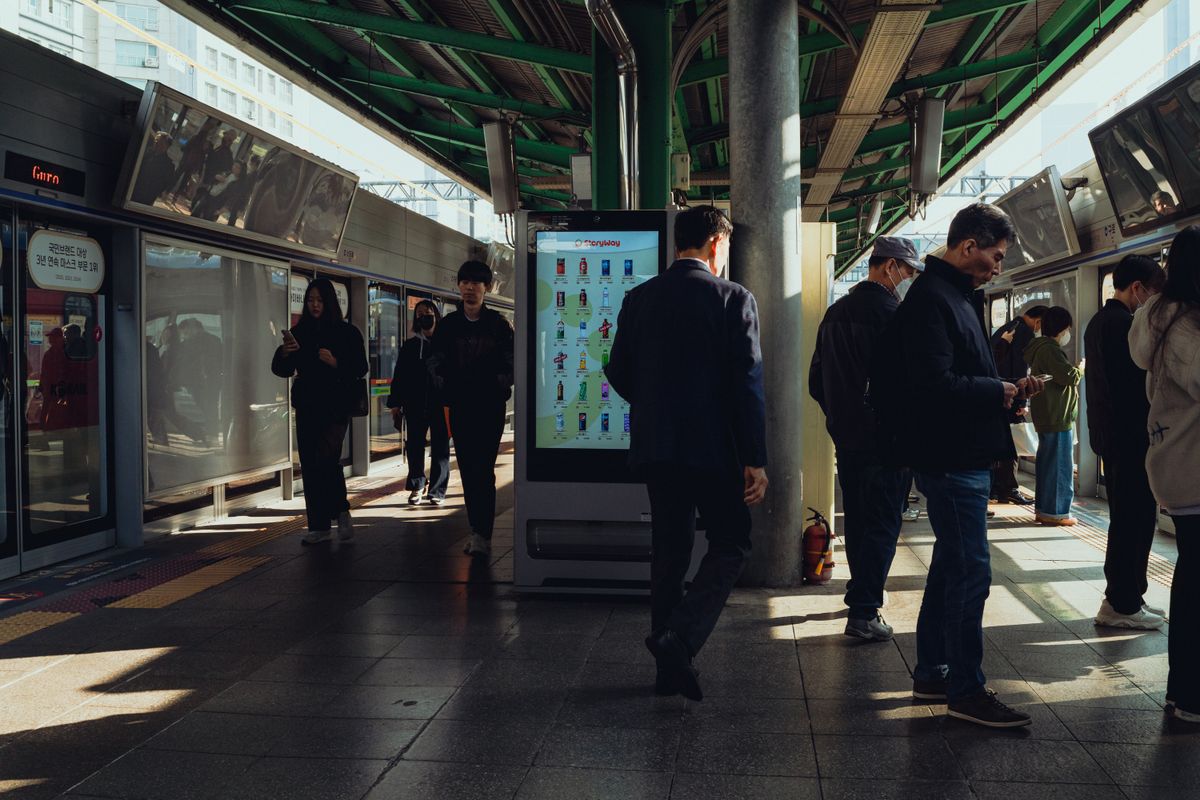
An adult ride on a transit card starts at 1,550 won, and trains run from about 05:30 until around midnight. Lines, transfers, exits and what stairs do to the journey.

Find your neighbourhood first. AREX Express for Seoul Station, the all-stop train for Gongdeok or Hongik University, a limousine bus for most other districts, with fares and times.
Useful before you go
These original planning checklists complement the full guides. Rules, services and facilities can change; use the linked official channel for your travel date.
Before you travel
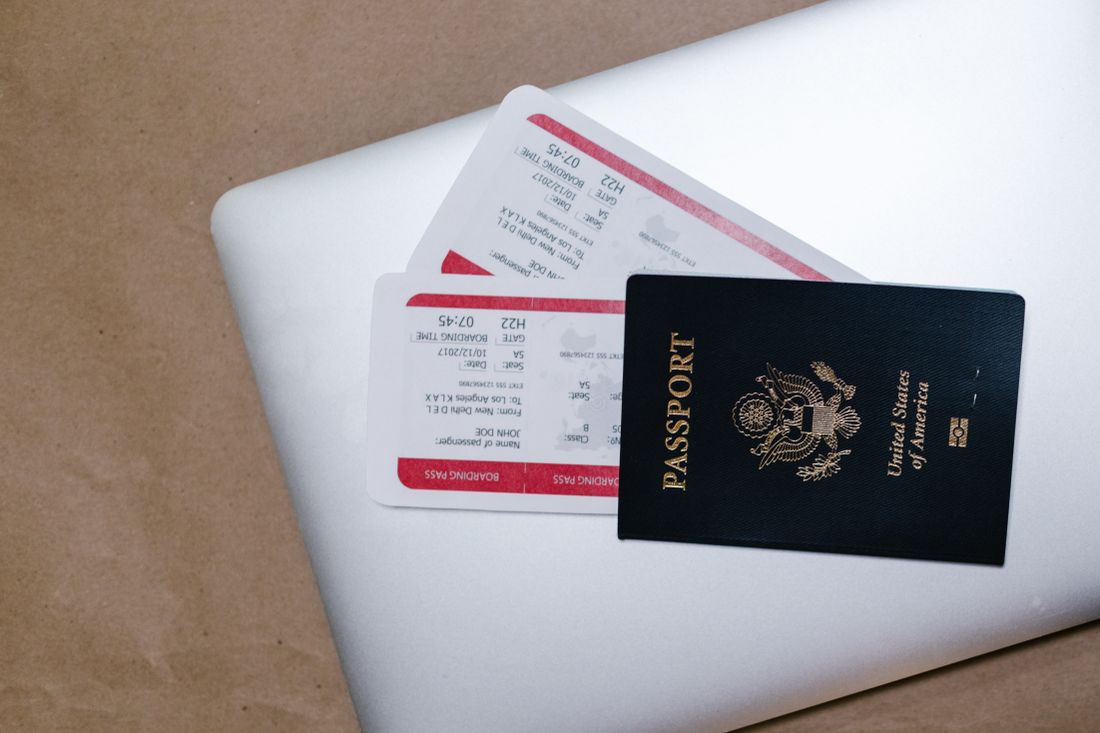
Check nationality, passport details and arrival-date requirements before booking.
Do not treat a previous trip or a friend’s nationality as proof that your own entry requirements are unchanged. Start with the official K-ETA site and your Korean embassy or consulate. Check the rules for the passport you will actually travel with, your purpose of visit and your arrival date. An authorisation, a visa and an arrival declaration are different things; check which applies to you.
Create a small offline arrival folder: passport details, accommodation address and phone number, return or onward booking, and any required approval. Compare every name and passport number with the original document before submitting. Keep the confirmation email accessible without mobile data. If your passport or itinerary changes, check whether you must update or reapply. Avoid sites offering guaranteed approval or charging for an “expedited” unofficial service.
Before you travel
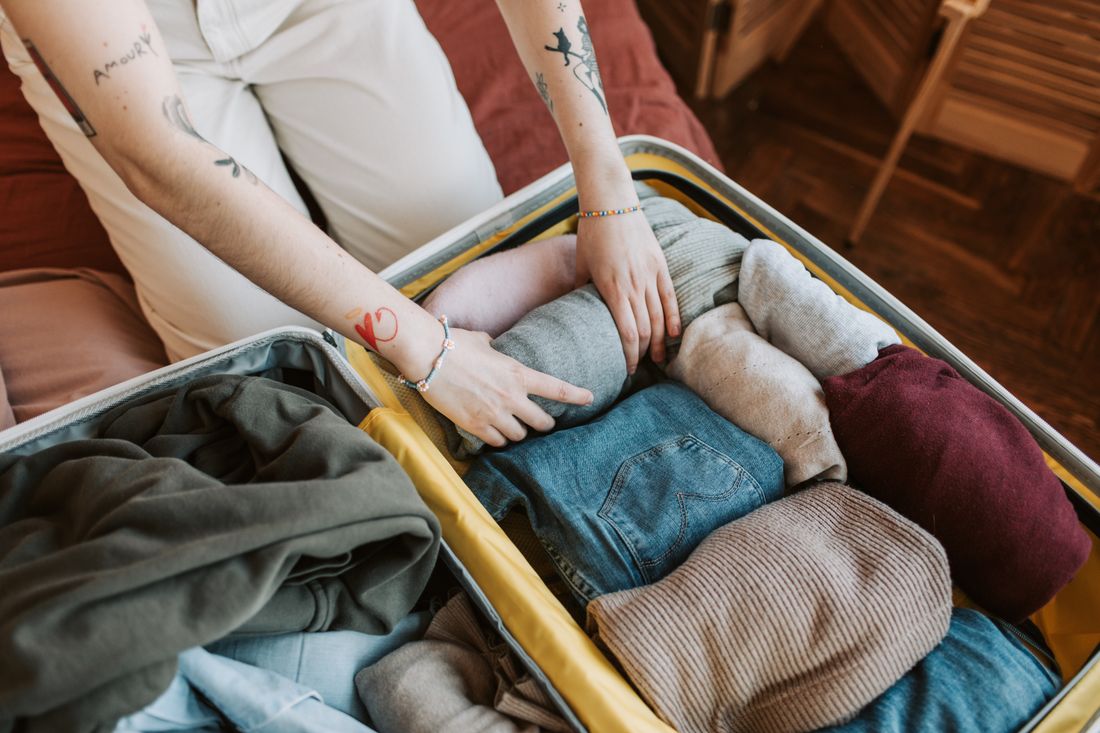
Separate airline baggage rules from Korean customs and quarantine requirements.
An item that fits in your suitcase is not automatically permitted through the border. Before packing food, plant products, animal products, medicines or a large purchase, use Korea Customs’ traveller guidance and the relevant quarantine or medicine authority. Do not assume that sealed packaging or personal use creates an exemption. Rules can depend on ingredients, quantity and the exact product.
Keep labels and receipts so an officer can identify what you are carrying. Put anything that may need inspection where you can reach it, rather than underneath your entire bag. For medicines, keep original packaging and check the rules for the active ingredient before departure; a prescription at home does not establish permission in Korea. If you are unsure, ask the authority before flying and declare as instructed. Airport liquid limits, customs allowances and postal restrictions are separate checks.
Before you travel
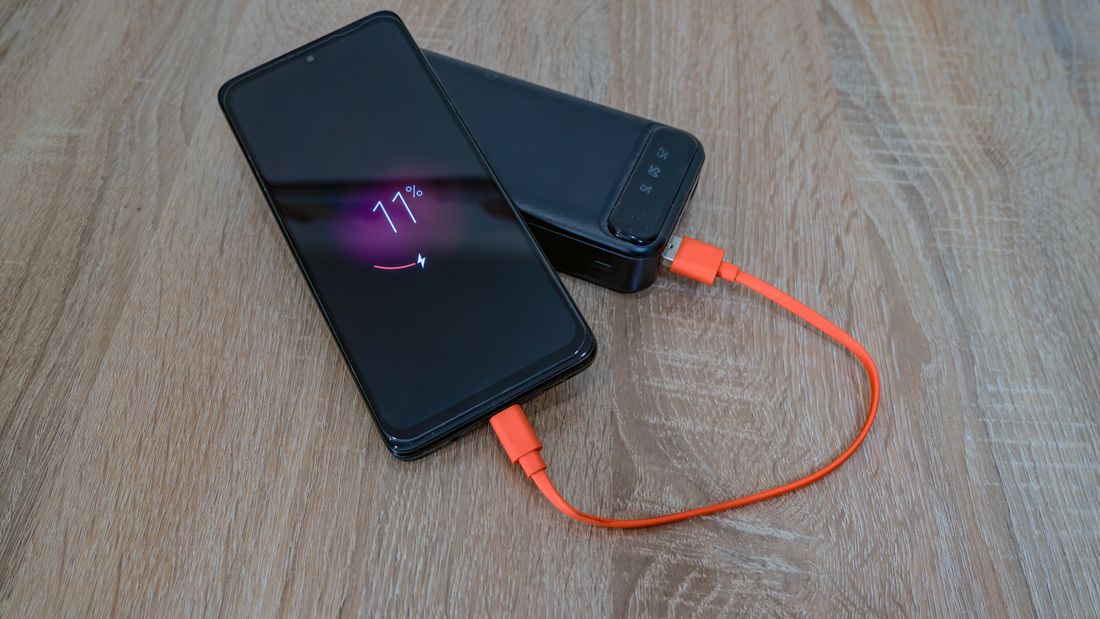
Check the input voltage as well as the plug shape.
Korea’s standard electricity supply is 220 V at 60 Hz, with round two-pin sockets. Read the input label on each charger before packing. A travel plug adapter changes the physical connection; it does not convert voltage. If the device is not rated for the local supply, ask its manufacturer what converter or alternative is required. High-power appliances need particular care, so do not improvise with a small phone adapter.
Pack the correct plug, the cable for your device and a backup charging plan for your first journey. A hotel may offer an adapter, but availability should be confirmed before arrival rather than assumed. Check your airline’s current rules for power banks and batteries separately. Keep a charged phone available for your accommodation address, translation and tickets; save essentials offline so losing power or data does not leave you without a route.
Arrival & transport
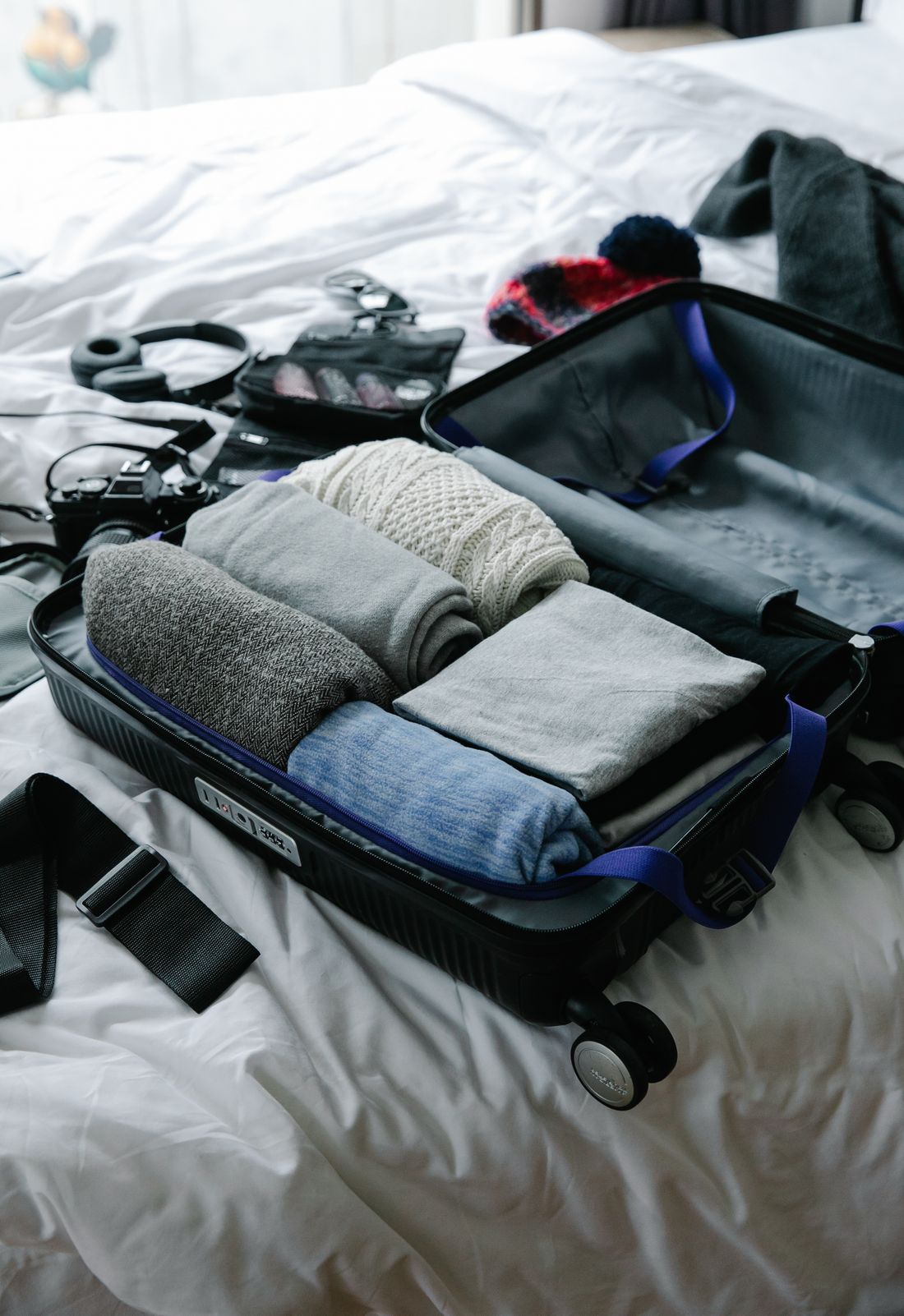
Choose storage around your final route, not simply the cheapest listing.
Plan your bag’s last journey before choosing storage. Ask your accommodation whether it can hold luggage after check-out, for how long and with what collection procedure. If you choose a station locker or an independent storage provider, confirm the exact entrance, opening hours, bag-size limits and payment method. A station name alone is not enough when exits and underground corridors are far apart.
Allow time to return, collect your bag and reach the correct airport terminal. Take a photograph of the locker number or storage receipt and save the location offline. Keep passports, medication, money and valuables with you. Check what happens if you miss closing time and whether the service offers any stated protection for lost or damaged items. For a late flight, avoid leaving a bag at a location whose desk closes before your evening plans finish.
Arrival & transport

Match the exact stations, travel date and fare conditions before paying.
Use KORAIL’s official English booking site to compare the actual departure station, arrival station, time and available seats. Do not choose a ticket by city name alone: a metropolitan area can have several stations, and reaching the wrong one can cost your departure. Check the train type and whether the fare is for a seat, a particular class or another ticket arrangement.
Before payment, read change and cancellation conditions and save the booking reference and ticket instructions. A rail pass is not automatically the cheapest choice; compare the pass price, eligibility and reservation process against your actual journeys. On travel day, arrive early enough to find the platform, carriage and seat while handling luggage. Leave a buffer before onward flights rather than treating the printed train arrival time as your airport arrival time. If a train is sold out, compare alternative times through the official channel instead of assuming another website has guaranteed inventory.
Everyday essentials
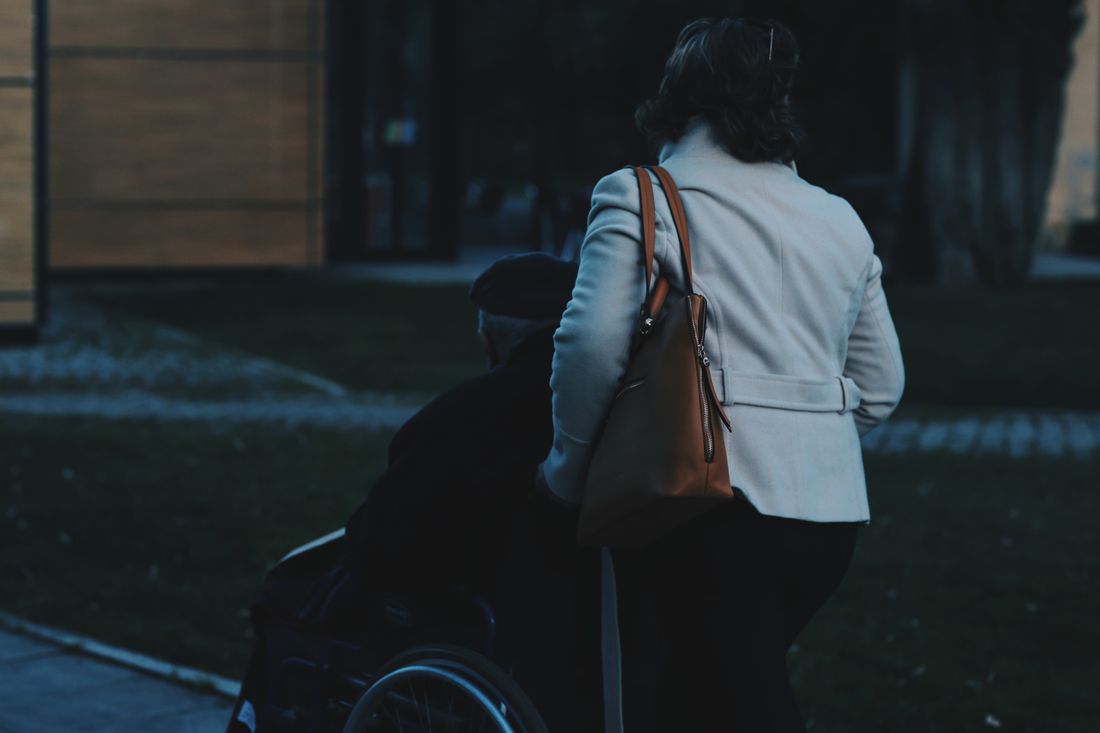
Verify the entire route, including entrances, transfers and the last few metres.
A venue marked accessible does not prove that every route to it is step-free. Check the subway entrance with an elevator, transfer corridors, pavement gradients and the venue’s actual accessible entrance. Build a route from door to door rather than from one station symbol to another. Contact the venue if you need a ramp, accessible toilet, reserved space or assistance that is essential to your visit.
Visit Seoul’s accessible itineraries give concrete examples around Seoul Station, including elevators, toilets and family facilities. Use those details as a starting point, then verify current operation before travelling. Allow extra time for a longer elevator route, and keep a backup transport option if a lift is unavailable. For wheelchairs or mobility equipment, confirm dimensions and charging needs with accommodation and transport providers. A photograph or a general accessibility icon cannot establish that a particular entrance will work for your needs.
Everyday essentials

Build shorter journeys around breaks, toilets and age-specific booking rules.
Choose one main activity and one flexible nearby option instead of filling every hour. Check age or height restrictions, ticket categories and whether a child needs a separate reservation. For a stroller, confirm elevator access and where it can be parked or folded; the shortest walking route may include stairs. Ask accommodation about beds, occupancy and any additional child charges before payment.
Keep a small day bag with water, a change of clothes, familiar snacks where permitted and the items your child needs during delays. Identify a toilet or nursing-room stop before a long walk. Seoul’s accessible visitor information can help locate family facilities around specific routes, but availability should be checked for your actual stop. Save the accommodation address and a contact number, agree on a meeting point with older children, and leave room to abandon a plan when weather or fatigue changes.
Culture & experiences
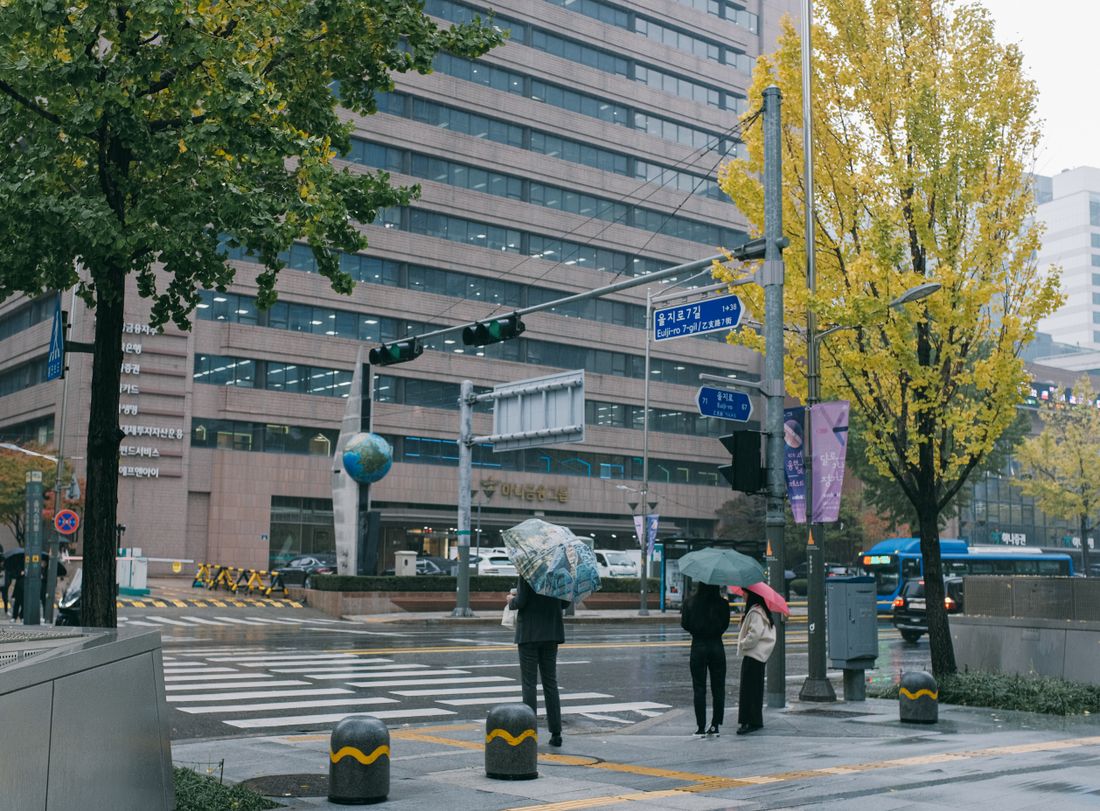
Keep a nearby indoor alternative and reassess the route, not only the destination.
Choose a backup in the same part of the city: a museum, exhibition, shopping area or café that genuinely interests you. Check the official opening day, last entry, reservation requirements and any weather-related notices before leaving. Do not assume a museum is open simply because it is indoors. A useful rainy-day plan reduces long exposed walks and complicated transfers.
Carry a compact umbrella or suitable rain layer and keep your phone and documents dry. Check the weather before committing to an outdoor viewpoint, riverside route or long hike. In heavy rain or an official warning, follow local guidance and change plans rather than pressing ahead for a photograph. Allow extra transport time and identify the covered entrance you will use. If you have a timed booking, read its cancellation or rescheduling terms before weather becomes a problem.
Food & shopping
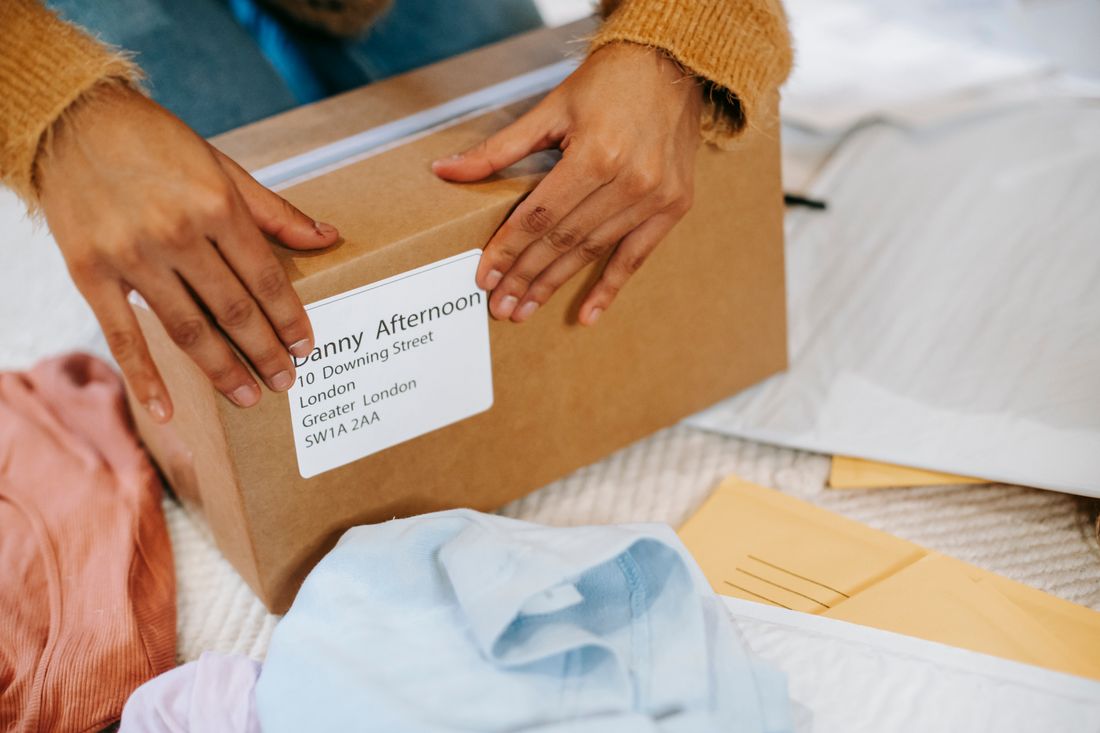
Check destination acceptance, contents and total cost before buying a large load.
Use Korea Post’s international-mail guidance to check whether the destination and service currently accept your parcel. A country appearing in a price table does not guarantee that every service is available. Check prohibited contents and the destination country’s import rules before packing; batteries, liquids, food and other regulated goods may need specific checks or may not be accepted.
Compare postage and packaging costs with airline baggage options before buying bulky items. Prepare the recipient’s full address, postal code and telephone number, and describe each item accurately on the customs information. Keep purchase records and a copy of the dispatch receipt and tracking number. Ask about delivery estimates and compensation terms rather than assuming a fixed arrival date. Allow time for the post-office visit during your trip, and keep essential medication, passports and valuables with you rather than placing them in a shipment.
Arrival & transport
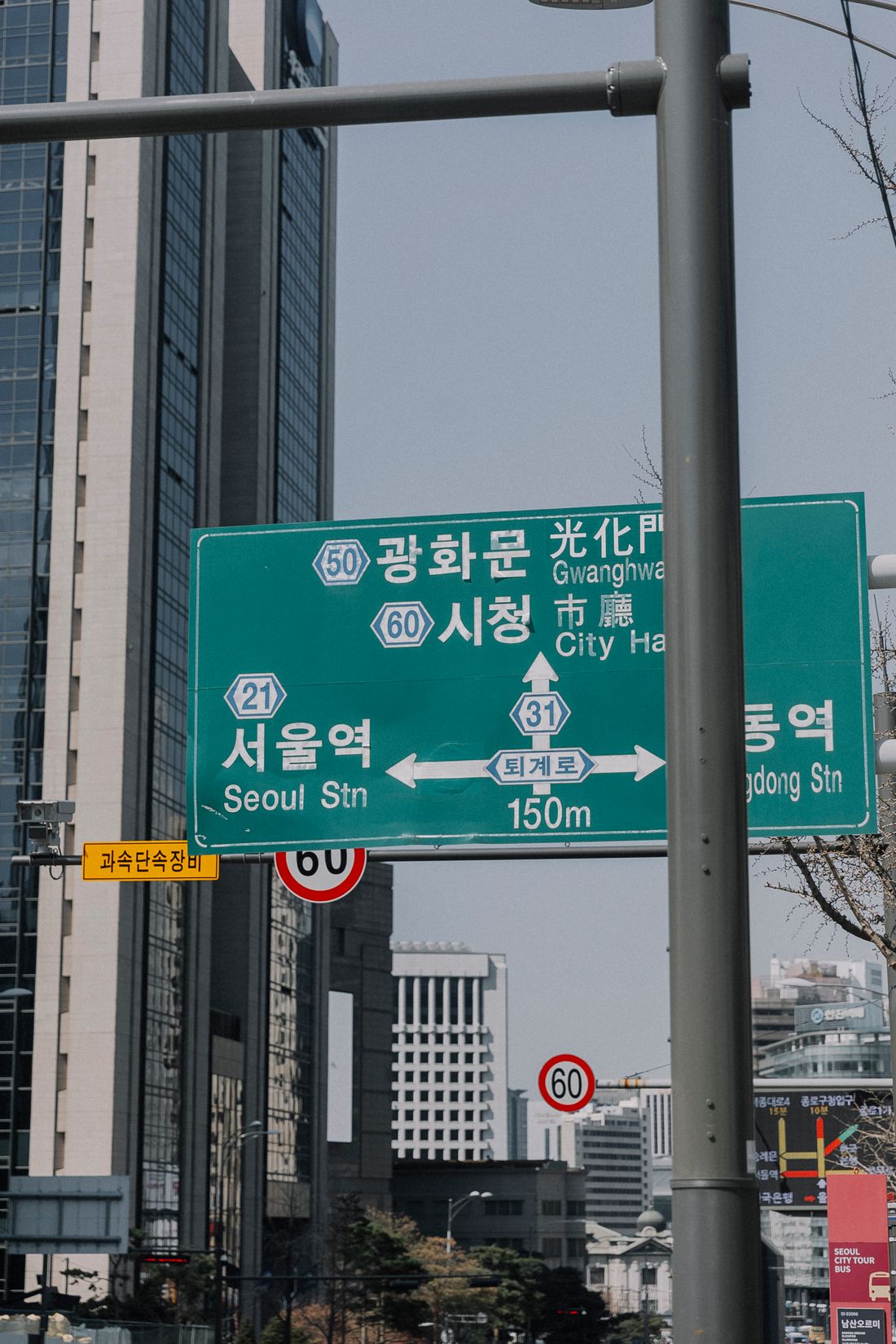
Save the Korean address and exact entrance, not only an English place name.
Copy the accommodation or venue’s Korean name, road-name address and telephone number from its official listing. Save the English version alongside it for your own reference. Similar names and multiple branches can lead to the wrong destination, so check the district and the building before setting off. A translated name is useful, but it should not replace the actual local address.
For a taxi, show the address on your phone before departure and confirm that the destination is understood. For walking, identify the usable entrance and any floor or building instructions. Save a map pin and an offline screenshot, but check a current navigation service for the journey itself: a static overview cannot tell you about a closed entrance or the next bus. If your phone loses data, a saved Korean address and contact number give you a practical way to ask for help.
Everyday essentials
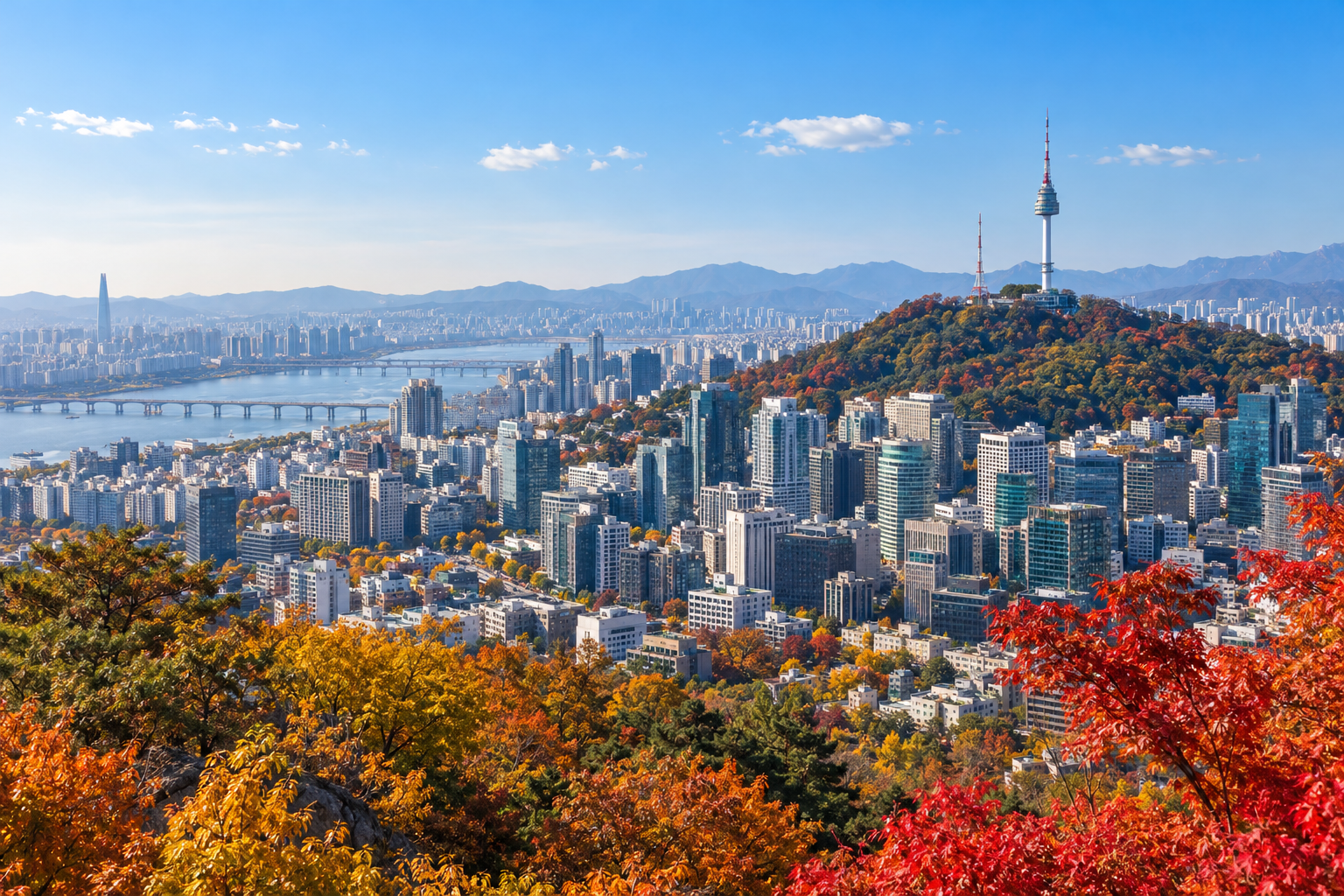
Use current measurements and local advice rather than judging a skyline photograph.
Check AirKorea for current air-quality information in the area you will visit. Look at the pollutant, observation time and location instead of treating a single citywide number as the condition of every neighbourhood. A clear-looking photograph, a social-media post or yesterday’s reading does not establish today’s exposure.
Use official advice to decide whether to shorten an outdoor activity, move it indoors or change its timing. Travellers with health conditions should follow their clinician’s advice; this guide does not set a personal safe exposure level. Save an indoor option close to your planned route so a change does not create another long outdoor journey. Recheck before a lengthy hike or riverside ride, and remember that air quality and weather are separate checks: a comfortable temperature does not mean pollution is low.
Arrival & transport
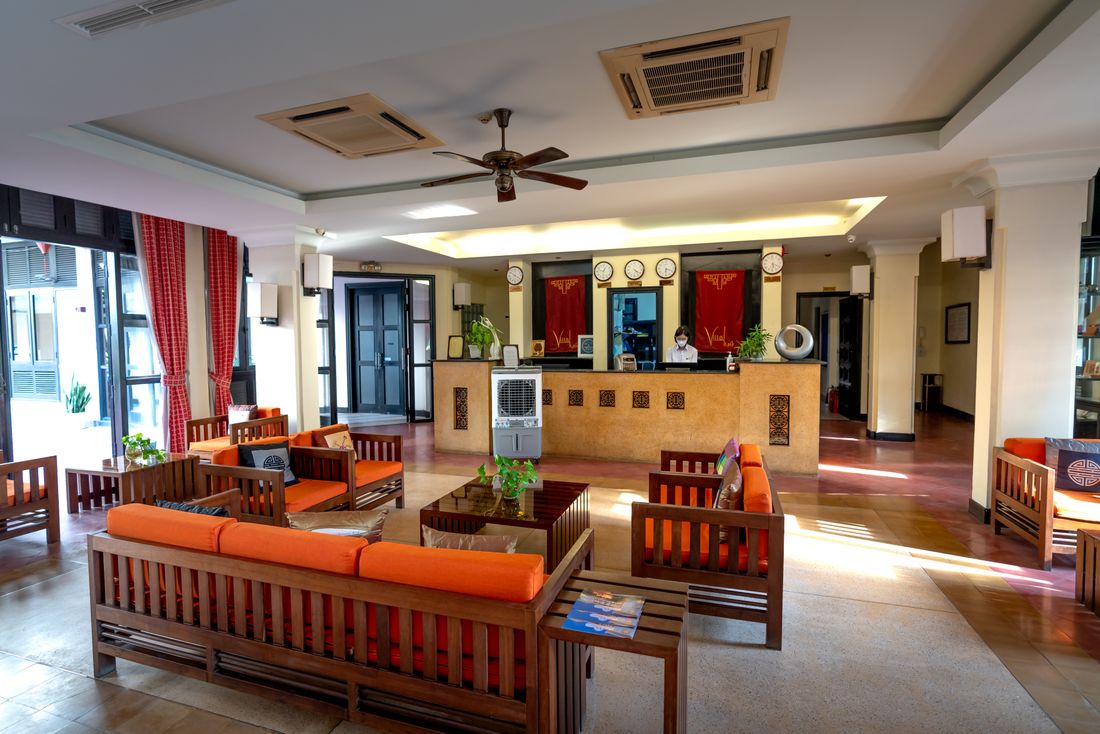
Agree a first-day plan before assuming a room will be ready.
Ask the accommodation for its check-in time, whether early access can be reserved and any charge. An early arrival note is not a guaranteed early room. If you must sleep immediately, discuss the exact booking arrangement with the property before paying. Confirm that your expected arrival date and time match the booking, especially when flying overnight.
Ask whether luggage storage is available and what identification or receipt you will need to collect your bags. Plan a low-effort first stop nearby rather than carrying luggage across the city. Keep a change of clothes and essential medication in a small bag that remains with you. For an arrival before dawn, confirm the reception’s operating hours and instructions in writing. If you arrive late instead, tell the property so a delayed flight does not turn into a missed check-in.
Everyday essentials
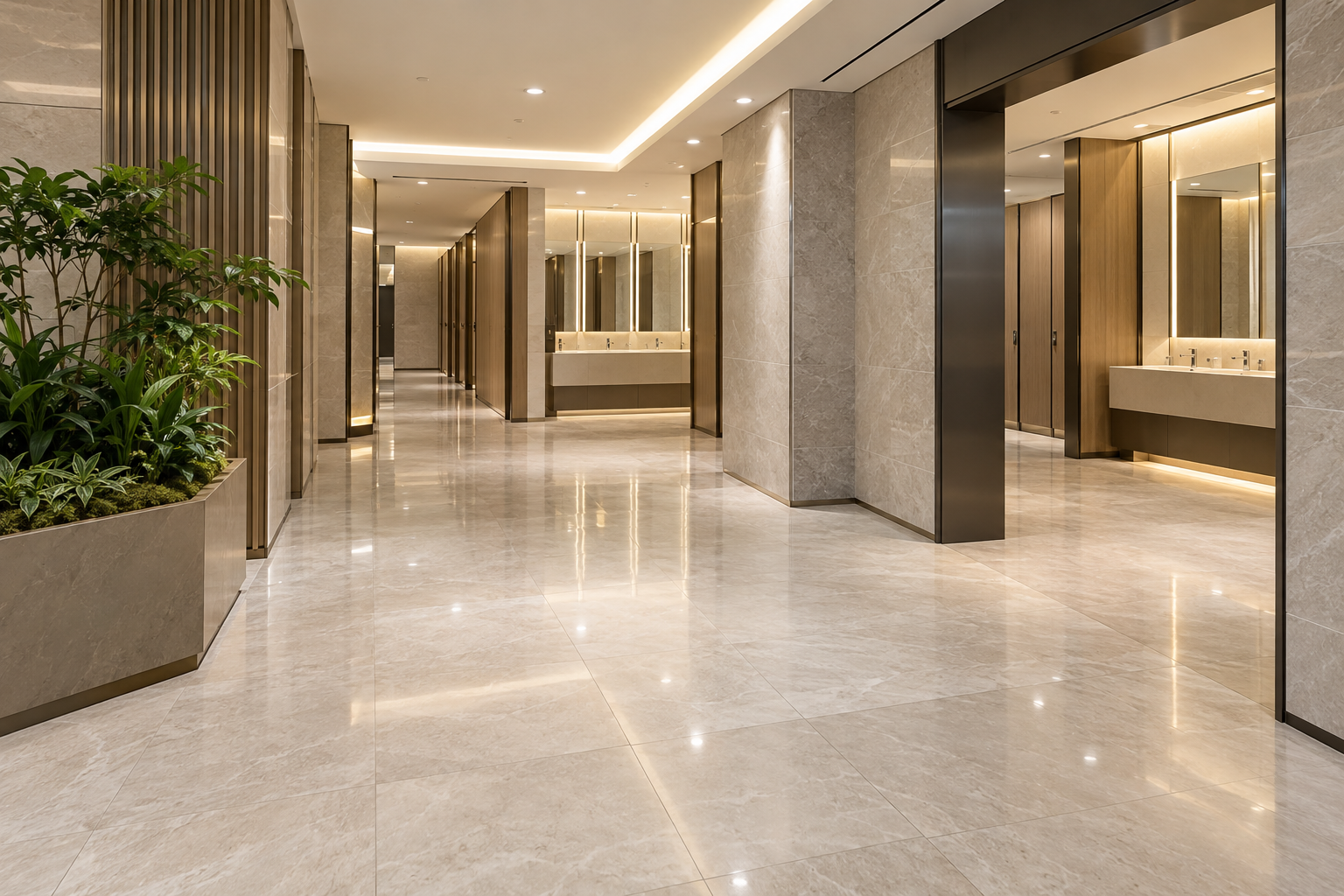
Plan a facility on your route and check access hours and accessibility.
Before a long walk, identify a restroom in a station, visitor facility, museum or other accessible stop on your actual route. Search for a restroom in a local map service, then check the location rather than assuming the nearest pin is open or publicly accessible. A restroom inside a ticketed venue or closed building may not be usable when you need it.
If you need an accessible toilet, changing facility or nursing room, verify that specific facility through the venue or an official accessible itinerary. A generic restroom icon does not prove step-free access or the equipment you need. Keep tissues and basic hygiene supplies in your day bag. For family or mobility needs, schedule a confirmed stop before a long transfer or outdoor activity and keep a backup nearby. Ask staff when a facility’s access conditions or entrance are unclear.
Browse the full Travel Library ↗